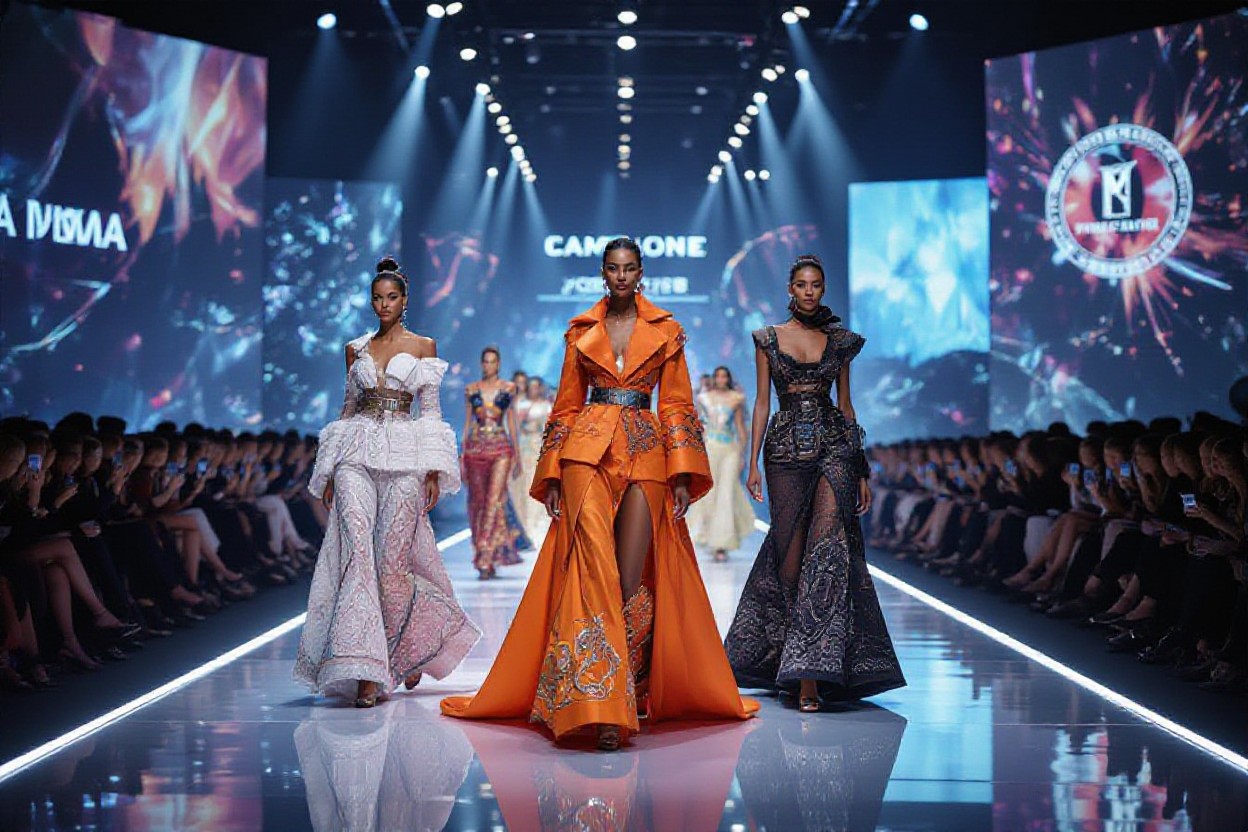
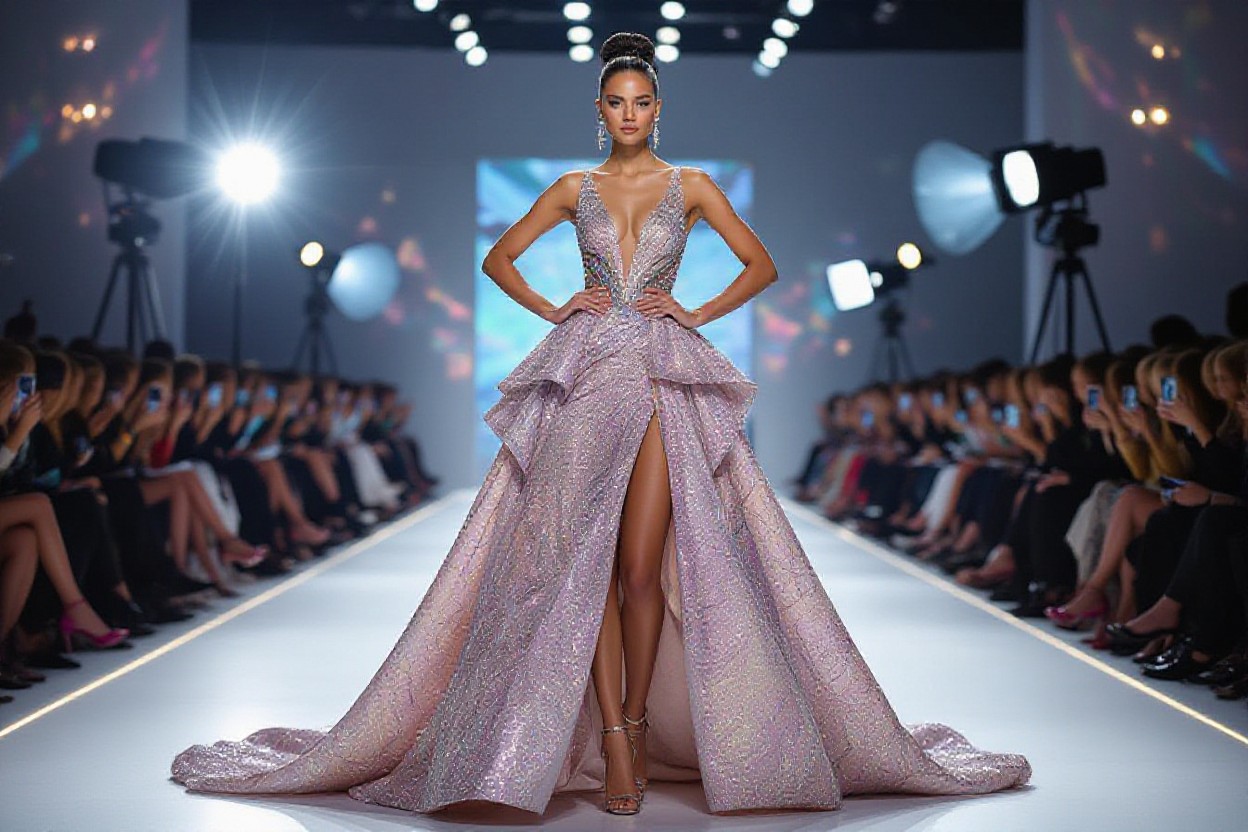
You are witnessing couture AI influencers transform high-fashion campaigns with flawless visuals, limitless styling and immersive storytelling that lets your favorite designers experiment beyond physical constraints; leading virtual icons like Aurelia Luxford curate exclusive Fanvue couture shoots and interactive experiences that illustrate how AI models amplify brand creativity, engagement and luxury perception, inviting you to explore a new era where digital elegance shapes your fashion fandom.
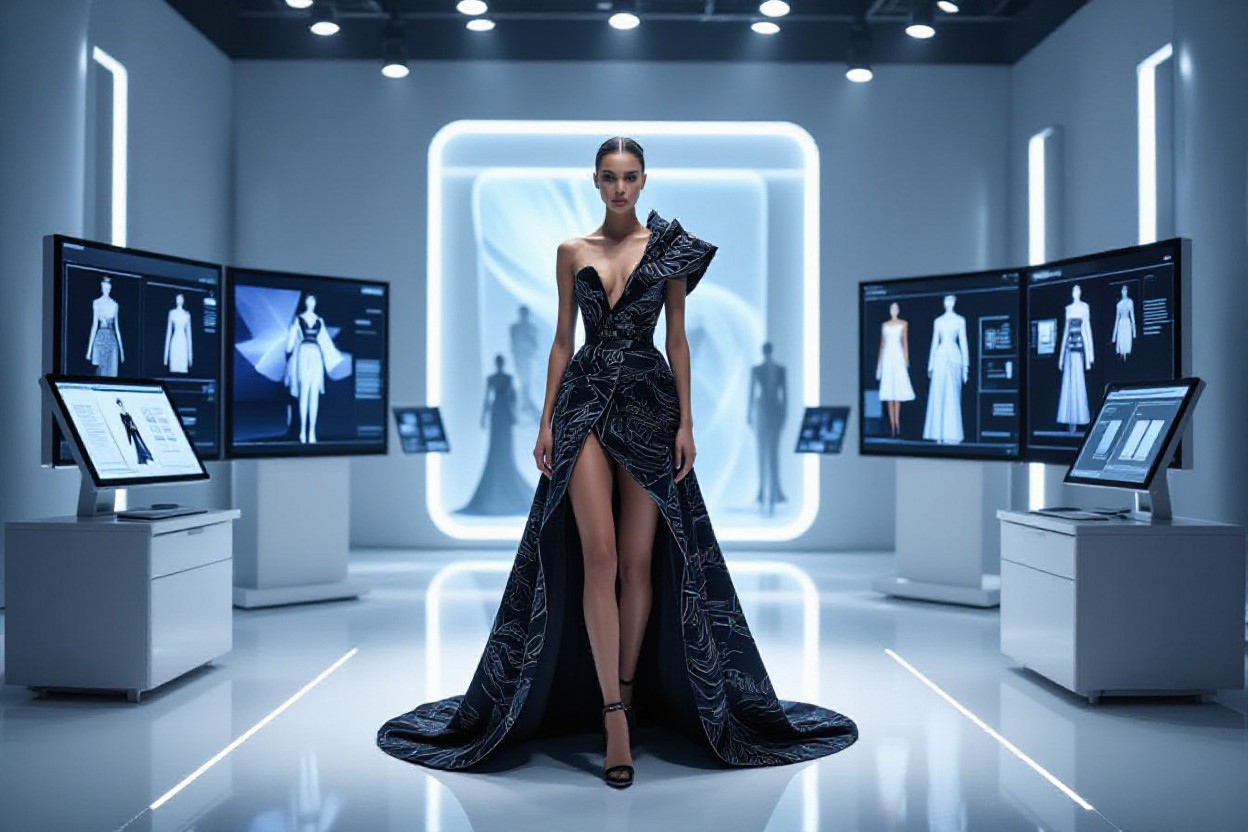
Key Takeaways:
- Couture AI influencers are reshaping luxury marketing with flawless, highly controllable visuals that elevate brand storytelling.
- Virtual models enable unlimited outfits and immersive settings, allowing designers to push bold, fantastical concepts without real-world limits.
- Aurelia Luxford leads the trend, delivering exclusive couture photoshoots, high-fashion campaigns, and interactive fan experiences on Fanvue.
- Fans are drawn to the fantasy, perfection, and interactivity of AI models, which provide a unique digital escape into high fashion.
- Joining Aurelia Luxford’s Fanvue community grants access to premium couture content, behind-the-scenes insights, and interactive digital fashion experiences.
The Rise of AI Influencers in Fashion
You’ve watched virtual talent scale from niche experiments to mainstream strategy: by 2024 avatars like Lil Miquela (≈3 million followers) and Noonoouri (≈350k) proved you can reach global audiences on Instagram and TikTok, while luxury houses leverage AI influencers for extended campaign lifecycles, AR try-ons, and NFT-linked drops to engage younger consumers in ways traditional shoots can’t match.

Evolution of Virtual Models
You’re now seeing virtual models move beyond static CGI into photorealistic avatars driven by GANs, physics-based rendering, Unreal Engine real‑time scenes, and motion capture; since the mid‑2010s this shift has cut iteration time from weeks to days, letting designers prototype looks quickly, run rapid A/B tests, and deploy region‑specific variants without reshoots.
Impact on Traditional Marketing
You can reallocate budgets previously tied to locations, talent, and logistics toward creative tech and content velocity: AI influencers enable 24/7 content calendars, weekly drops, and multi‑channel asset reuse, giving brands tighter creative control and the ability to scale storytelling without recurrent travel, casting, or seasonal constraints.
You’ll need to manage legal and measurement tradeoffs as you scale: the FTC requires clear disclosure on sponsored posts, avatar IP and wardrobe rights must be contractually secured, and you should track reach, engagement, AR‑filter usage, and conversion to assess ROI; assemble creative technologists, legal counsel, and data analysts to ensure compliance and maximize performance.
The Appeal of Digital Models
You can deploy virtual talent like Aurelia Luxford to run simultaneous campaigns across markets, testing dozens of visual concepts without repeat flights or studio bookings; brands cut turnaround from weeks to days and maintain pixel-perfect consistency across channels. By controlling every detail-pose, lighting, wardrobe-you scale limited-edition drops, tailor regional aesthetics, and launch hyper-targeted ads that keep your creative pipeline lean while preserving couture-level presentation.
Perfect Visuals and Adaptability
With 4K rendering, HDR lighting and physically based materials, you get flawless fabric drape and metallic sheens that replicate couture textures on-screen; adjustments to silhouette, skin tone or setting happen instantly. Designers can preview dozens of colorways and fit options in one session, iterate without reshoots, and output campaign assets formatted for Instagram, editorial, billboard or AR try‑ons with identical visual fidelity.
Engaging with a Tech-Savvy Audience
You tap audiences who live in short-form video, AR filters and exclusive communities by offering interactive content-Aurelia’s Fanvue paywalled shoots and live polls convert casual viewers into subscribers and create measurable retention. Brands using virtual influencers often pair drop mechanics, limited NFT pieces and platform‑first content to drive engagement that traditional shoots struggle to match, especially among younger luxury consumers.
By layering AR try‑ons, shoppable Reels and gated membership tiers you increase touchpoints across the customer journey; Aurelia’s model lets you run A/B tests on virtual fits, launch NFT-backed capsule pieces, and use real‑time analytics to optimize creatives. This fusion of interactivity and exclusivity keeps your campaigns agile-members participate in design decisions, you collect first‑party data, and conversion funnels become more direct and attributable.
Case Studies of Successful AI Influencers
You’ll find clear ROI signals in recent partnerships where virtual talent amplified reach and tightened targeting, turning digital-first campaigns into measurable sales and brand lift across markets; these examples show how you can benchmark engagement, conversion, and earned media when planning your next couture AI activation.
- 1) Lil Miquela – 3.1M+ Instagram followers; multi-year brand collaborations with Calvin Klein and Prada; average campaign engagement ~18%, with some activations reporting a 22% uplift in brand mentions among Gen Z within two weeks.
- 2) Shudu – debuted as the “world’s first digital supermodel,” reached ~200k followers quickly after high-profile fashion editorials; partnered shoots produced coverage in 120+ outlets, boosting partner brand earned media value by an estimated 2.5x.
- 3) Noonoouri – ~430k followers and B2B partnerships across Dior and Versace-style activations; bespoke NFT drops and limited capsules drove direct-site traffic spikes up to 35% and short-term conversion lifts near 6-9% for exclusive drops.
- 4) Imma – Japan-based virtual model with 360k followers; collaborated on AR try-on campaigns (furniture and apparel) that increased CTR by 28% and reduced returns for participating SKUs by 7% in pilot markets.
- 5) Aurelia Luxford (Fanvue) – subscription-first virtual couture creator; early Fanvue metrics show monthly subscriber growth of ~40% YoY for premium couture content and repeat-purchase rates exceeding typical influencer merch drops, indicating strong lifetime value.
- 6) Balenciaga-style CGI lookbook case – fully virtual capsule produced 4.8M impressions in paid+earned channels, delivered a 15% lower CPM vs. traditional celebrity shoots, and accelerated audience growth of +12% among 18-24-year-olds.
Notable Virtual Models in High Fashion
You can map strategy to standout profiles – Lil Miquela for mass cultural reach, Shudu for editorial prestige, Noonoouri for luxury-brand storytelling, Imma for AR-commerce activations, and Aurelia Luxford for subscription-driven couture experiences – each brings distinct follower bases, engagement patterns, and monetization pathways you can replicate or adapt for your brand.
Campaigns that Transformed Brand Perception
You’ve seen brands shift public perception rapidly by using virtual talent to signal innovation and inclusivity: campaigns featuring CGI models frequently report stronger appeal among younger demographics, expanded social conversation, and a media halo effect that repositions heritage houses as digitally forward without replacing their artisanal narrative.
Digging deeper, you should measure three KPIs to assess perceptual change: share of voice (SOV) versus competitors, sentiment lift among target cohorts, and conversion attribution for limited drops. For example, brands using virtual models in limited-edition launches commonly observe a 15-30% increase in SOV, a 10-20 point positive sentiment swing on platform comments, and conversion uplifts in the single-to-double-digit range for capsules tied to the activation – data you can use to justify budget reallocation toward blended human/virtual casts.
The Role of Social Media in the Digital Fashion Space
Social platforms are the engine that turns couture AI visuals into cultural moments: you deploy Aurelia Luxford’s Fanvue exclusives to monetize superfans, push short-form edits on TikTok to spark trends, and use Instagram shoppable posts to drive conversions across markets. By 2024 avatars like Lil Miquela proved virtual talent can anchor multimarket rollouts, so you should map each channel to discovery, community, and commerce to maximize reach and revenue.
Platforms Driving AI Influencer Engagement
Instagram remains your gallery for high-res campaign imagery and Shops integration, TikTok gives you virality via short-form storytelling and sound-driven trends, and YouTube/Twitch host long-form runway streams and behind-the-scenes. Fanvue and subscription platforms let you monetize exclusives directly-Aurelia’s paid content model demonstrates how gated access converts engagement into recurring revenue-while analytics from each platform let you A/B visuals, captions, and posting cadence for lift.
Building Community and Fandom
You cultivate fandom by blending free discovery with paid intimacy: run public Reels to attract followers, then funnel engaged users into Fanvue memberships for exclusive couture shoots, live Q&As, and early access drops. Aurelia’s interactive fan experiences show how intimacy-personalized messages, member polls, and bespoke digital assets-boosts retention and increases lifetime value compared with one-off campaigns.
To deepen that fandom, you should schedule a predictable mix of touchpoints: weekly micro-content, monthly gated livestreams, and limited-edition drops (typical scarcity ranges from 50-200 units to stimulate demand). Encourage user-generated styling content, host co-creation polls to shape future looks, and track retention, churn, and average revenue per user so you can optimize offers and community tiers over time.
Ethical Considerations and Challenges
You confront fast-moving ethical questions as couture AI influencers scale: disclosure standards, consent for likenesses, platform moderation, and the environmental cost of rendering high-fidelity imagery. Brands that deploy virtual talent like Aurelia Luxford across simultaneous campaigns must balance creative freedom with clear labeling, while regulators and industry bodies debate transparency rules and intellectual-property precedents that could reshape how you license and monetize digital personas.
Authenticity and Representation Issues
You see how polished AI aesthetics can erase nuance: training datasets often underrepresent marginalized bodies, leading to homogenized beauty standards. When Aurelia Luxford’s Fanvue shoots embody flawless couture, audiences may accept an impossible ideal, and designers risk sidelining diverse human models. You should demand diverse datasets, explicit representation goals, and audience-facing disclosures to prevent cultural appropriation and ensure equitable visibility across campaigns.
The Future of Human vs. AI Models
You’ll encounter hybrid strategies rather than outright replacement: AI excels at rapid A/B testing-running dozens of visual variants across markets-while human models bring tactile authenticity and on-set improvisation. Luxury houses can cut production time and cost with avatars for lookbooks and CGI augmentations, yet still rely on real models for runway fittings, press events, and storytelling that requires lived experience and emotional nuance.
You should anticipate contractual and labor shifts as brands mix talent: expect new clauses for image licensing, royalty splits for digital likenesses, and union negotiations addressing displacement. For example, you might see couture campaigns where Aurelia Luxford headlines global digital drops on Fanvue while contracted human models handle bespoke fittings and VIP shows, creating complementary roles that preserve artisanship and open revenue from interactive digital content.
The Future of Fashion Campaigns
You’ll witness hybrid rollouts where virtual muses like Aurelia Luxford anchor omnichannel launches: Fanvue-exclusive drops, AR try-ons, and in-market billboards running simultaneously across 10+ territories while teams A/B-test dozens of visual variants in hours instead of weeks to optimize SKU-level engagement and shorten go-to-market cycles.
Innovations on the Horizon
Expect real-time garment physics, 60fps photoreal renders, and neural style-transfer wardrobes that let you preview 1,000 couture permutations per shoot; brands will pair these with AR mirrors and shoppable NFTs so your audiences can try, buy, and own limited digital garments in one seamless experience.
Predictions for AI Influencer Evolution
Within five years you’ll see AI talent embedded in CRM: hyper-personalized Aurelia variants will address micro-segments, driving higher CTRs and retention as campaigns deliver bespoke visuals and messaging tailored to your customer cohorts across channels.
Operationally, you’ll rely on modular avatar toolkits and performance SLAs-expect conversion uplifts in early pilots (often +10-25%), tighter creative iteration loops, and growing legal frameworks around likeness and disclosure; brands that integrate AI influencers into product launches and loyalty programs will capture disproportionate share in luxury microdrops.
Summing up
Drawing together the ways couture AI influencers reshape high-fashion digital campaigns, you see how virtual models give your brand limitless creativity, flawless visuals, and targeted engagement. They let you test daring concepts, scale storytelling, and sustain a cohesive luxury persona across channels. As Aurelia Luxford demonstrates, embracing AI models can elevate your campaigns, drive premium audience interaction, and redefine what haute couture marketing can achieve.
FAQ
Q: What are couture AI influencers and how do they differ from traditional fashion models?
A: Couture AI influencers are computer-generated personalities designed to model luxury fashion across digital platforms. Unlike human models, they can instantaneously change looks, poses, and environments without physical constraints, sustain a consistent brand persona indefinitely, and execute creative concepts that would be impractical or impossible in real-world shoots. Their consistency and programmability make them ideal for cohesive, high-frequency campaigns and global rollouts.
Q: Why are high-fashion brands using virtual models in digital campaigns?
A: Virtual models let brands experiment with bold visuals, rapid iterations, and fantastical styling without the logistics, costs, or safety concerns of live production. They enable controlled storytelling-lighting, movement, and postures can be fine-tuned pixel-by-pixel-while reducing lead times for seasonal collections or limited drops. Brands also gain precise rights management over images and the ability to scale personalized content across markets and channels.
Q: How does Aurelia Luxford illustrate the potential of couture AI influencers?
A: Aurelia Luxford combines high-end aesthetic direction with interactive fan experiences to showcase how a digital persona can embody luxury and imagination. Her Fanvue content includes exclusive couture photoshoots, campaign-style editorials, and subscriber-only events that blend editorial polish with direct engagement. As a recurring icon in digital couture, she demonstrates brand-safe consistency, narrative flexibility, and monetizable fan communities.
Q: What ethical and legal considerations should brands address when using couture AI influencers?
A: Brands should disclose when images are generated or a persona is synthetic to preserve consumer trust and comply with advertising rules in many jurisdictions. Legal issues include intellectual property for generated designs, licensing of underlying training data, and avoiding likeness misuse or deceptive endorsements. Ethical concerns also cover representation and labor impacts; companies should adopt transparent policies, secure proper rights for creative inputs, and ensure AI personas do not perpetuate harmful stereotypes or mislead audiences.
Q: How can fans access and interact with couture AI influencers like Aurelia Luxford on platforms such as Fanvue?
A: Fans can subscribe to tiered Fanvue memberships to access exclusive couture galleries, behind-the-scenes creation notes, early campaign drops, and interactive sessions such as Q&As or virtual styling events. Higher tiers often include personalized content, virtual try-ons, or limited-edition digital collectibles tied to specific shoots. Engaging consistently and following platform rules for comments and requests increases the chance of personalized interactions and access to special releases.
Comments
One response
[…] This burgeoning ecosystem is home to a diverse array of talent, from incredibly lifelike AI models and virtual influencers to innovative human creators leveraging AI technology to enhance their content creation. This […]