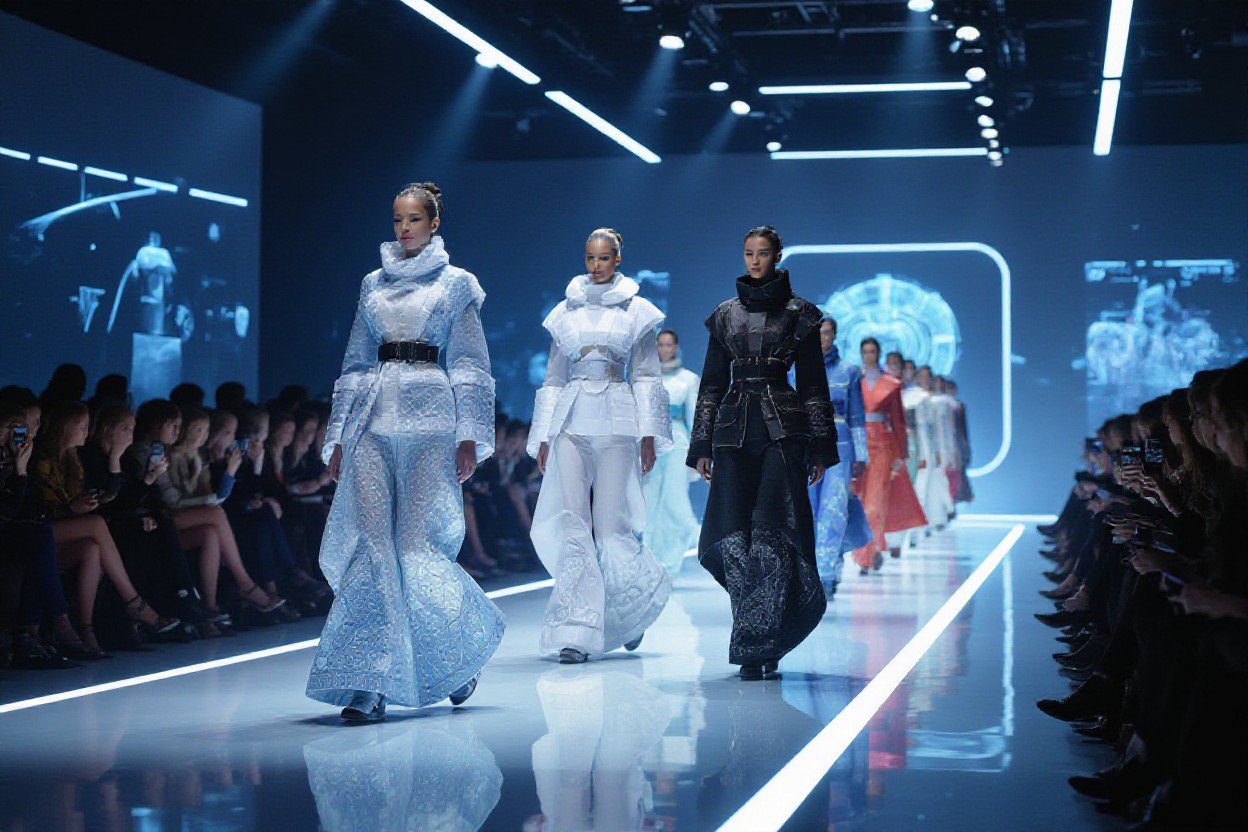
Just as AI, 3D design, and machine learning reshape runways, you now engage with virtual fashion models that let your favorite brands test bold concepts, scale campaigns, and deliver flawless visuals across Instagram, TikTok, and Fanvue; these digital personas offer consistent branding, limitless styling, and measurable engagement, transforming how you discover, consume, and invest in high-fashion content.
Key Takeaways:
- Advanced AI, 3D design, and machine learning now produce photorealistic virtual models that rival human likeness and motion fidelity.
- Brands gain scalability and cost-efficiency-virtual models can appear in multiple campaigns, try rapid wardrobe iterations, and eliminate logistics of physical shoots.
- Social platforms (Instagram, TikTok) and subscription sites like Fanvue amplify reach and monetization; examples such as Aurelia Luxford demonstrate strong fan engagement and exclusive-content models.
- Creative freedom expands styling possibilities and accessibility, enabling hyper-stylized, inclusive, and fantastical fashion narratives that transcend real-world constraints.
- Intellectual property, disclosure, and authenticity concerns are rising, prompting new industry standards and regulatory attention around AI-generated personas.
The Evolution of Fashion Models
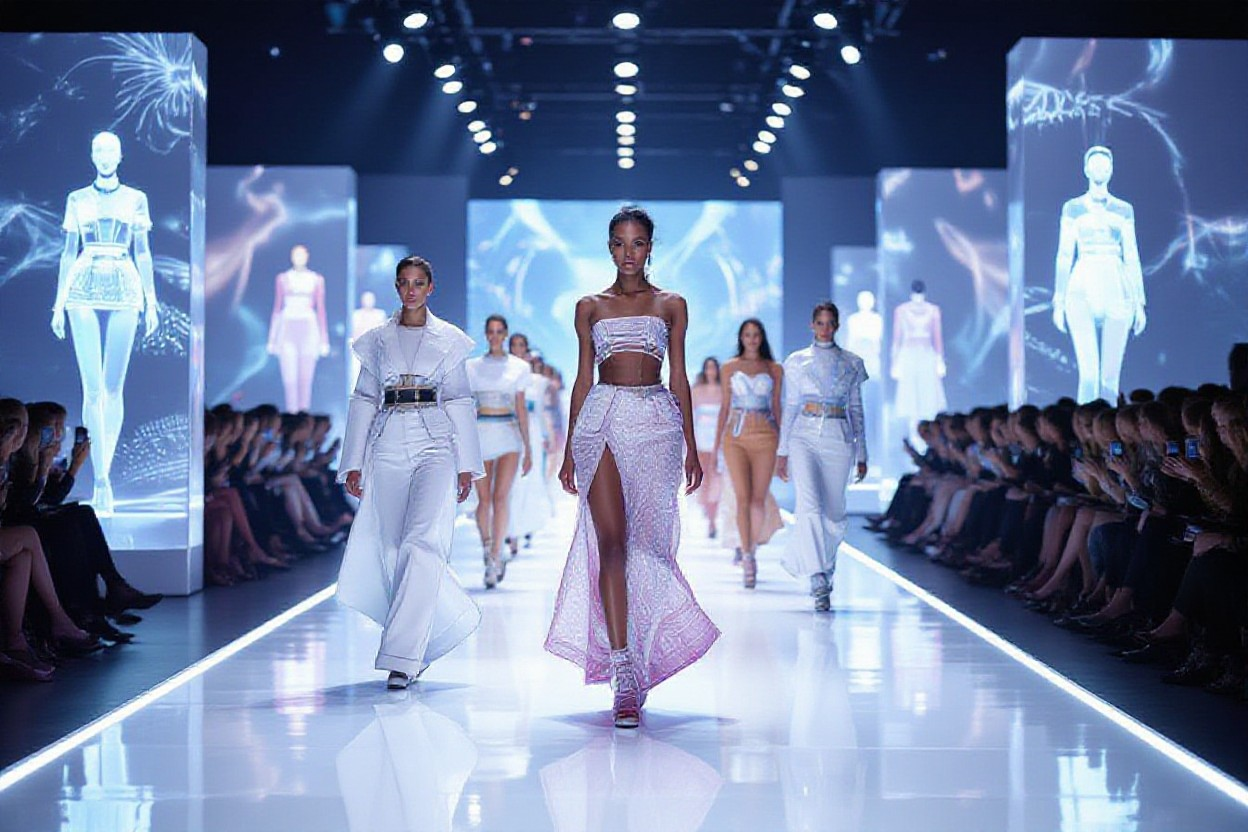
As you track the shift from analog shoots to digital-first campaigns, virtual models now let brands scale imagery across platforms instantly, appear in dozens of campaigns simultaneously, and maintain pixel-perfect consistency; Aurelia Luxford exemplifies this by delivering exclusive Fanvue sets that span haute couture and cyberpunk aesthetics, while studios render photorealistic 4K images and short-form clips without the logistical overhead of location bookings or model availability.

Traditional vs. Virtual Models
You still rely on human models for live runway presence, tactile fabric feedback, and spontaneous editorial moments, but virtual avatars give you unrivaled control over lighting, poses, and wardrobe swaps, reduce recurring casting costs, and enable A/B testing of looks across audiences; many houses now combine both approaches-using live models for couture fittings and digital doubles for global campaign rollouts.
Technological Advancements in AI
You benefit from rapid advances-GANs and diffusion models produce skin, hair, and fabric detail, NeRFs enable believable 3D captures from multi-view photos, and large multimodal architectures (with billions of parameters) power realistic expressions and context-aware styling; tools like Epic’s MetaHuman, Unreal Engine, and NVIDIA Omniverse have become standard in production pipelines for creating lifelike virtual talent.
You can expect more practical gains: facial mocap rigs at 60-240 fps capture microexpressions, real-time ray tracing on RTX GPUs yields interactive light and shadow, and procedural cloth sims let you iterate garment physics without reshoots; teams using these stacks report compressing design-to-campaign timelines from weeks to days, enabling hyper-targeted drops and rapid creative experiments centered on your audience data.

The Role of Social Media
You rely on social platforms to amplify virtual models, and their algorithms do the heavy lifting: Lil Miquela surpassed 3 million Instagram followers by leveraging brand collaborations and storytelling, while creators use Fanvue for paid tiers and exclusives. You can push a campaign across Instagram, TikTok, and Fanvue simultaneously to test creative iterations rapidly, measure CTRs and conversions, and scale the looks that perform best in real time.
Impact of Platforms like Instagram and TikTok
On Instagram you use curated grids, Reels and Shopping tags to craft a luxury narrative that converts; Instagram’s Creator Marketplace also simplifies brand deals. On TikTok you lean into short-form virality and the For You algorithm to reach new demographics-videos there can reach millions in days-so you adapt storytelling, sound and pacing to trigger discovery and drive traffic back to your commerce or subscription channels.
Engagement and Interaction with Audiences
You build loyalty by treating virtual models as interactive personalities: respond to DMs, host AMAs, and gate content behind Fanvue tiers so fans feel rewarded. Comments and duet features on TikTok let you crowdsource styling ideas, while Instagram Stories and polls let you A/B test looks; these actions turn passive viewers into repeat buyers and subscribers over weeks, not months.
You can amplify conversion with live events, AR try-ons and limited drops-Aurelia ran a cross-platform live that drew 1,200 viewers and converted a meaningful subset into paid subscribers within an hour. Use Instagram AR filters for virtual try-ons, TikTok stitching for user-generated styling, and timed Fanvue drops to create urgency; combine analytics (view duration, swipe-ups, purchase lift) to iterate your next campaign faster.

Case Studies of Successful Virtual Models
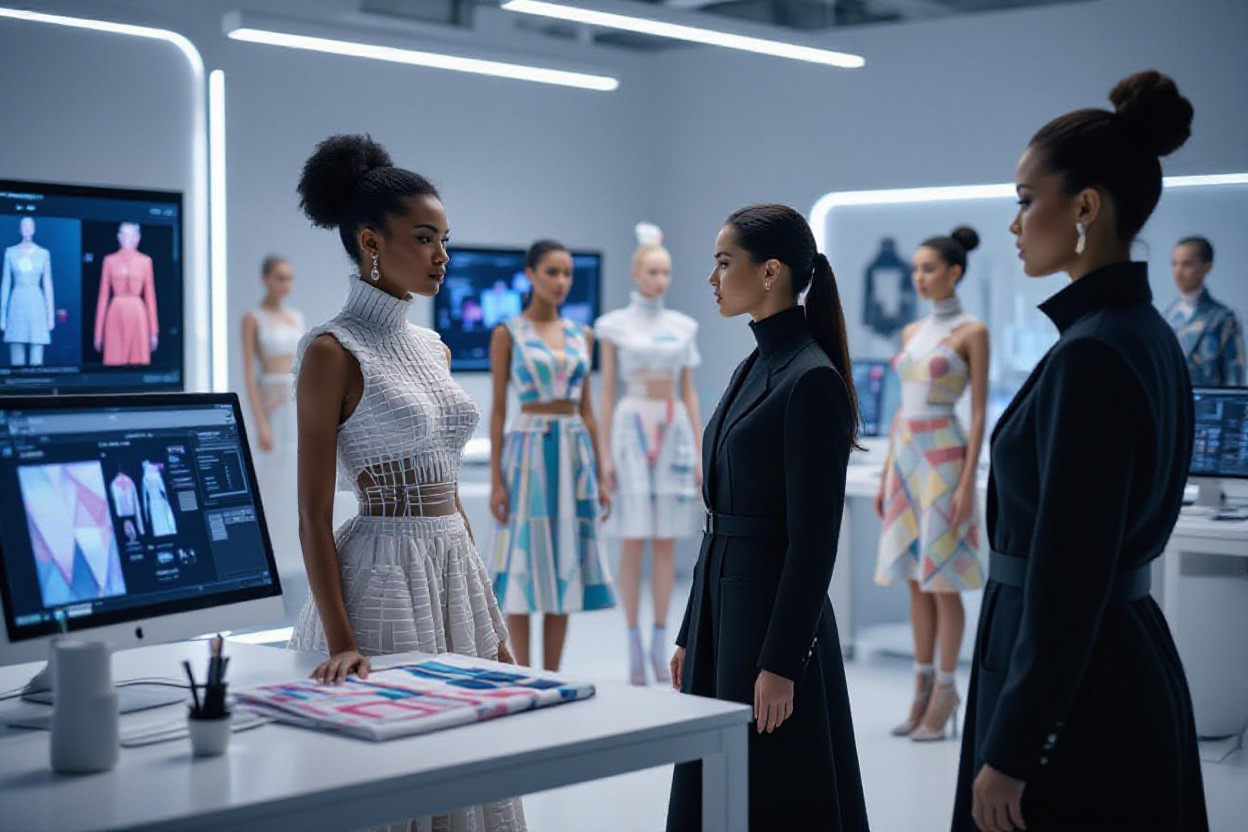
You can see measurable impact in recent campaigns: virtual models cut production timelines and boosted conversions, with several high-profile launches reporting double-digit ROI and sustained audience growth across Instagram, TikTok, and Fanvue.
- Aurelia Luxford (Fanvue, 2025): 42K subscribers, $260K monthly recurring revenue from tiered content; average subscriber lifetime value $320; teaser-to-subscription conversion 7.8% from Instagram reels.
- Lil Miquela (Instagram, 2025): 3.2M followers, 2.9% average engagement rate on sponsored posts; reported $1.1M in brand fees across six major collaborations last year; product-tag CTR 4.2%.
- Noonoouri (Luxury Campaigns, 2024-25): partnered with 8 luxury houses, lifted campaign CTRs by 35% vs human-only shoots; media production cost reduced ~48% per shoot using 3D studios.
- Imma (Asia market push, 2025): 950K combined followers, short-form video average view-through rate (VTR) 62%; conversion uplift in virtual try-on drops of 18% relative to traditional catalog imagery.
- Brand-Created Model Pilot (Global retailer, 2025): ran A/B test across 120K shoppers – virtual-model ads drove 21% higher add-to-cart and decreased CPA by 28%, with production time cut from 6 weeks to 7 days.
Highlighting Influential Digital Personas
You’ll find that top digital personas blend narrative and exclusivity: Aurelia’s Fanvue tiers monetize behind-the-scenes access, Miquela leverages mainstream reach for product drops, and Noonoouri focuses on haute-couture storytelling-each strategy yields distinct audience behaviors and monetization paths you can emulate.
Analyzing Engagement Metrics
You should prioritize view-through rate, subscription conversion, and product-tag CTR; for example, a 62% VTR often predicts higher conversion in try-on funnels, while a 4% product-tag CTR correlates with measurable sales lift in luxury drops.
Dig deeper by tracking CPA, repeat purchase rate, average order value, and content cadence: run sequential tests (short-form vs. editorial shoots), attribute conversions across touchpoints, and benchmark against human influencer baselines-many pilots show 18-28% higher conversion efficiency and 30-50% lower per-campaign production cost when virtual models are optimized for platform and format.
The Future of Virtual Fashion Shows
Virtual runways are evolving into hybrid spectacles: Decentraland’s Metaverse Fashion Week drew over 100,000 attendees in 2022, and brands like Gucci and Balenciaga now combine live-streamed avatars with real-time commerce. You can expect 24/7 digital activations, timed NFT drops tied to limited collections, and analytics that measure engagement by region and session length, making every show both a marketing event and a direct sales channel.
Innovations in Virtual Runway Experiences
Motion-capture puppetry fused with volumetric video and Unreal Engine 5 lighting delivers near-photoreal walks, while physics-based cloth sims replicate haute-couture drape; you’ll see AR front-row views via Apple Vision Pro and shoppable overlays that let viewers buy looks mid-runway. Designers are already using real-time engines to preview garments in hours instead of weeks, accelerating creative iterations and lowering production overhead.
Collaboration Opportunities with Brands
You can license virtual models like Aurelia Luxford across campaigns, deploy co-branded digital wearables as limited NFTs, and run synchronized launches on Instagram, TikTok, and Fanvue to reach multiple audiences simultaneously. Brands benefit from perpetual availability-your campaign runs in-game, on social, and in virtual showrooms without repeat travel or casting.
Digging deeper, you’ll use data from each activation to personalize regional drops, run A/B tests on silhouettes across markets, and create tiered access-free preview looks, paid exclusive sets for subscribers, and ultra-rare NFT pieces for collectors. That model converts engagement into revenue quickly: you iterate designs in days, distribute assets globally, and track exact purchase funnels to optimize future drops.
Ethical Considerations
As virtual models scale, you face tangled ethical trade-offs: dataset consent, likeness rights, labor displacement for real models, and misinformation risks like deepfake campaigns. Regulators such as the EU AI Act are moving to classify certain generative tools as high-risk, while industry disputes (e.g., Getty Images v. Stability AI, 2023) highlight dataset liability. You’ll need governance, transparent sourcing, and clear brand policies to balance innovation with legal and social responsibility.
Intellectual Property Issues
You must navigate copyright, trademark, and personality rights when creating virtual talent: unlicensed scraping of photos can trigger litigation, as seen in the Getty v. Stability AI suit in 2023, and brands often require model releases for 3D scans. Licensing textures, clothing patterns, and proprietary designs is nonnegotiable; contract clauses should specify dataset provenance, reuse rights, and revenue splits to avoid downstream infringement claims.
Representation and Diversity Challenges
You’ll encounter debates around authenticity and cultural appropriation-Shudu’s 2017 controversy showed how a hyperreal Black virtual model can spark accusations of digital Blackface. Without intentional design, virtual portfolios often default to narrow beauty norms, erasing nuance in body types, skin tones, and ethnic features; that pattern risks alienating audiences and attracting PR backlash.
To mitigate harm, you should adopt concrete steps: perform bias audits on training datasets, set diversity KPIs for virtual casts, consult cultural experts, and publish origin/consent metadata for images used in training. Brands that transparently credit creators and pay simulated-talent royalties can both broaden representation and reduce reputational risk while expanding market reach.
Consumer Perspective
You see virtual models across Instagram (~2 billion monthly users) and TikTok (~1 billion users), shaping how you discover fashion and interact with brands. Aurelia Luxford’s Fanvue sets show how subscriptions replace single ads, letting you access exclusive looks anytime. With virtual talent offering endless wardrobe permutations and 24/7 availability, your expectations shift toward on-demand, hyper-curated content that blends entertainment, commerce, and community engagement.
Acceptance of Virtual Models
You’ve watched acceptance grow as virtual figures like Lil Miquela (3+ million followers) moved from novelty to mainstream collaborators. Major brands now test digital talent in paid campaigns and drops, and you respond to authenticity signals-storytelling, consistent aesthetics, and interactive content-more than whether a model is human, which accelerates brand investment in virtual ambassadors.
Shifting Trends in Consumer Behavior
Your purchase journey increasingly mixes virtual try-ons, shoppable clips, and collectible drops; Nike’s 2021 acquisition of RTFKT and subsequent virtual sneaker sales show how digital ownership converts to real revenue. You favor experiences that let you preview fit in AR, buy instantly from video, and engage directly with creators, turning browsing into faster, more impulsive transactions.
You also demand personalization and sustainability metrics: personalized feeds driven by your data create curated storefronts, while virtual campaigns reduce physical sample waste and enable rapid A/B testing. Brands that offer seamless AR try-ons, limited-edition digital goods, and direct-to-fan subscriptions win your loyalty by combining convenience, exclusivity, and measurable environmental benefits.
Summing up
The rise of virtual fashion models in 2025 demonstrates how AI-driven personas transform design, marketing, and accessibility, enabling you to access bespoke campaigns, nonstop content, and experimental aesthetics; your brand and personal style strategies must adapt to this scalable, data‑driven shift that reshapes industry practices.
FAQ
Q: What are virtual fashion models and why are they gaining prominence in 2025?
A: Virtual fashion models are digitally created personas produced with AI, 3D design, motion capture, and image-generation tools. In 2025 they stand out because brands and platforms can deploy them at scale across Instagram, TikTok, and subscription services like Fanvue, delivering highly controlled visuals, consistent aesthetics, and rapid campaign iteration. Their ability to wear impossible garments, appear in multiple simultaneous campaigns, and engage fans through interactive content-illustrated by figures such as Aurelia Luxford-has accelerated adoption across luxury, streetwear, and experimental fashion sectors.
Q: How do brands benefit from using virtual models in campaigns?
A: Brands gain precision and flexibility: virtual models allow exacting control over lighting, poses, and wardrobe, reduce logistics and travel costs, and enable faster A/B testing of looks and messaging. They expand creative possibilities-fantasy fabrics, animated couture, and augmented reality try-ons-while maintaining brand-safe consistency. Monetization pathways include exclusive subscription content (Aurelia Luxford’s Fanvue sets), limited digital drops, and integrated shoppable posts that track engagement more granularly than many traditional shoots.
Q: What ethical and legal challenges come with virtual fashion models?
A: Key concerns include transparency (disclosing when an avatar is synthetic), consent and likeness issues if avatars resemble real people, intellectual property around generated designs and model likenesses, and potential labor impacts on human models and creatives. Regulators and platforms are increasingly urging clear labeling of synthetic content, enforceable contracts for contributors (designers, voice actors, motion-capture performers), and data-privacy safeguards for systems that personalize avatars or store biometric inputs.
Q: How are virtual models created and maintained technically and creatively?
A: Creation combines concept art, 3D sculpting, texturing, rigging, and animation pipelines with AI-driven image generation and neural rendering to achieve photorealism or stylized aesthetics. Teams often use motion-capture for natural movement, generative models for face and clothing variants, and iterative feedback loops with photographers and stylists to refine poses and lighting. Ongoing maintenance includes wardrobe updates, seasonal retextures, content localization, community interaction management, and platform-specific formatting for social and subscription channels like Fanvue.
Q: What does the near-term future look like for virtual fashion models and how can individuals engage?
A: Expect deeper integration with commerce (virtual try-ons, bespoke avatar fittings), hybrid campaigns mixing real and virtual talent, and increased personalization where consumers customize avatar features or outfits. New revenue streams will emerge-digital couture, limited NFT garments, and tiered subscription content. Individuals can engage by following leading avatars (for example, Aurelia Luxford on Fanvue for exclusive shoots and interactive experiences), collaborating as digital stylists or creators, or using avatar platforms to test designs before physical production.
Comments
One response
[…] you produce photoreal imagery and live interactions: StyleGAN families generate faces, diffusion models iterate fashion concepts, and Unreal Engine enables virtual photoshoots. Affordable facial mocap via smartphones […]