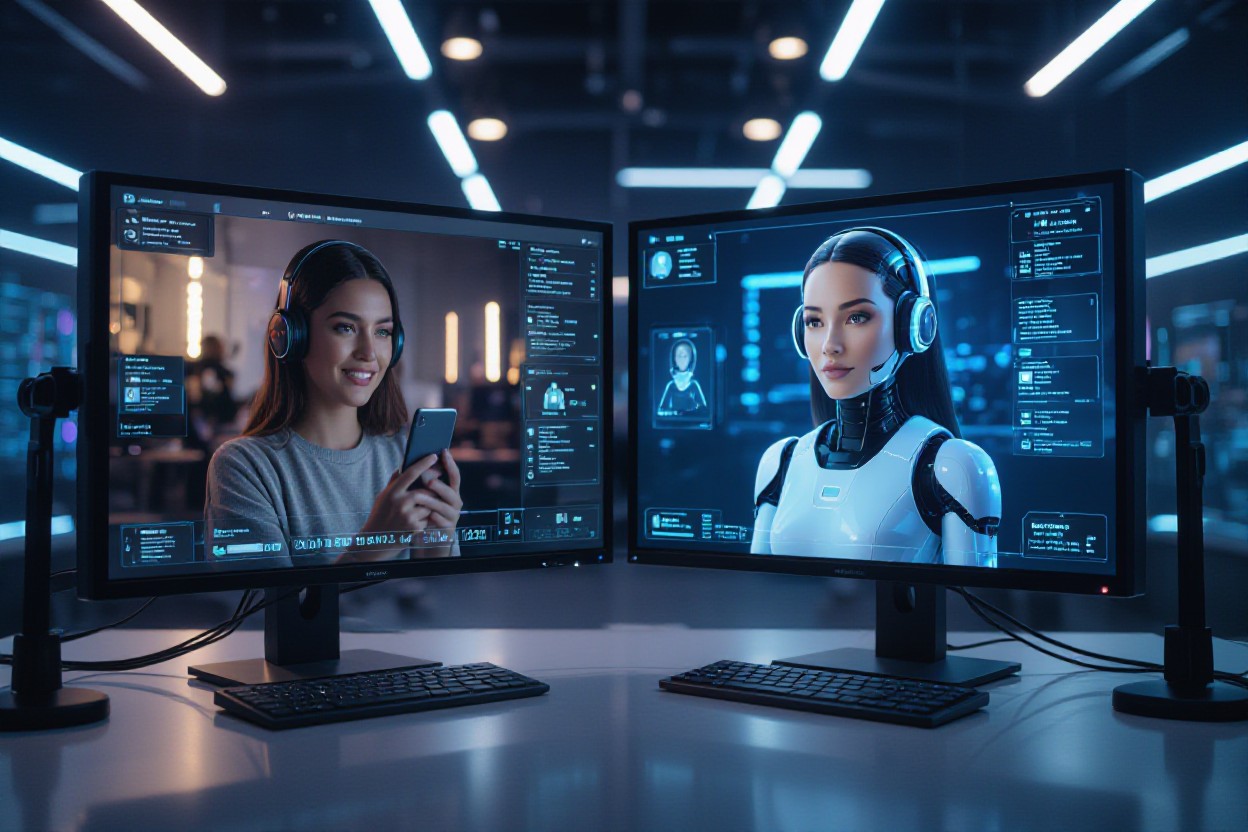
You are confronting a shift in digital fame as AI influencers like Aurelia Luxford on Fanvue blend consistency, creativity, and interactivity with human emotional relatability; you’ll learn how virtual personas scale campaigns, deliver immersive fan experiences, and coexist with human creators while reshaping your expectations for influence and engagement.
Key Takeaways:
- AI influencers complement human creators rather than fully replacing them, combining consistency and creativity with human emotional relatability.
- Brands use virtual personas for scalable, immersive, and visually perfect campaigns and fan engagement that are difficult for humans to match.
- Aurelia Luxford demonstrates AI potential through interactive sets, exclusive fashion campaigns, and virtual lifestyle experiences while coexisting with human influencers.
- Fans subscribe for interactivity, novelty, and fantasy-AI personas deliver consistently engaging, visually stunning, and immersive content.
- AI models are emerging as key players in digital fame; subscribe to Aurelia Luxford on Fanvue to experience exclusive AI-driven content.
The Rise of AI Influencers
Definition and Overview
In practice, you interact with AI influencers as algorithmically generated personas that produce photos, videos, and conversations; they blend CGI, scripted personalities, and machine-learning-driven responses. Examples include Lil Miquela (≈3 million Instagram followers) and Aurelia Luxford on Fanvue, used by brands for scalable campaigns and 24/7 engagement. Their assets-synthetic images, voice clones, and chat-driven DMs-let you deploy consistent creative identities without human constraints.

Evolution of AI in Social Media
Since early virtual idols like Hatsune Miku (2007) and Lil Miquela’s debut in 2016, you’ve seen a rapid shift from static CGI to dynamic, real-time avatars powered by GANs, neural rendering, and motion-capture pipelines. Platforms now enable shoppable clips and interactive streams, and agencies prototype hybrid models-human-guided AI characters-to scale reach while keeping narrative control.
For concrete signals, note Lil Miquela’s collaborations with fashion houses such as Prada and the commercial rise of SM Entertainment’s Aespa (launched 2020), which pairs virtual counterparts with human performers; these cases show you how brands track virality, creative control, and monetization. Aurelia Luxford’s Fanvue subscription model further proves audience willingness to pay for exclusive, serialized synthetic experiences.
Human Influencers vs. AI Influencers
Emotional Relatability
When you engage with a human influencer, you respond to lived experience, vulnerability, and unscripted moments-micro-influencers, for example, often post authentic daily struggles and behind-the-scenes content that drive engagement (commonly cited at 2-8% versus 1-2% for mega-influencers). You can sense history, context, and spontaneous emotions that AI can mimic but not truly possess, which makes human creators indispensable for campaigns that hinge on trust, testimony, or deep community bonds.

Consistency and Creativity
AI excels at content you can scale: automated pipelines can publish around-the-clock, generate dozens of image and caption variants, and power interactive narratives like Aurelia Luxford’s Fanvue sets that blend fashion, storytelling, and real-time engagement. You gain predictable output, rapid iteration for campaigns, and the ability to maintain a flawless visual identity across channels-advantages brands value for high-frequency or global rollouts.
Technically, diffusion models and GANs let you explore rapid creative permutations-teams can test dozens of visual concepts in days instead of weeks-while template-driven voice models keep messaging consistent; however, you still rely on human oversight for cultural nuance, strategic leaps, and the serendipitous creativity that sparks viral moments, so the most effective approach pairs AI throughput with your creative direction.
The Role of AI in Marketing Strategies
You can deploy AI influencers to run highly targeted campaigns, iterate visuals rapidly, and scale content without recurring talent bookings. Brands report production cost reductions of 40-60% and faster time-to-market-campaigns that once took weeks now launch in days. By using data-driven persona adjustments and A/B testing, you’ll refine messaging in real time and lift engagement rates by 15-35% compared with static creative approaches.
Brand Partnerships with AI Influencers
You gain tighter creative control and IP ownership when partnering with AI personas, letting your team repurpose assets across channels without extra licensing fees. Fashion and beauty labels using AI talent have seen click-through improvements of 20-30% and average order value increases of 8-15% in pilot runs. At the same time, you must factor in development and moderation costs to keep messaging on-brand and compliant.

Case Studies and Success Stories
You’ll find mixed but compelling results: virtual talents driving community growth, conversion, and earned media at scale. Some campaigns convert at rates comparable to top human creators, while others serve primarily for brand awareness or product storytelling. Numbers vary by sector, but clear patterns emerge: retail and beauty often see the highest ROI, while long-form engagement works better for lifestyle-focused AI personas.
- Aurelia Luxford – Fanvue launch: 120,000 subscribers in 3 months, 18% paid conversion from trials, $180,000 gross revenue month one, 32% average engagement on exclusive posts.
- Lil Miquela (virtual) – Fashion collab: 3.1M followers, campaign earned reach of 12M impressions, 2.6% engagement rate, reported retail uplift of 11% for the partnered collection.
- Virtual Model X – Beauty brand pilot: produced 50 assets in 2 weeks vs. 6 weeks for traditional shoot, cut production spend by 55%, drove 14% increase in category traffic.
- AI Live Host – Q4 livestreams: hosted 40 sessions, average watch time 22 minutes, conversion rate during streams 7.4%, attributable sales $240K over three months.
You should treat these case studies as operational templates: adapt asset pipelines, moderation rules, and measurement frameworks to your KPIs. Often the biggest gains come when you combine AI consistency with occasional human-led authenticity-deploy virtual talent for scale and precision, then use human creators for narrative depth and trust-building.
- Retail Chain Y – Virtual fitting room: reduced returns by 9% after integrating AI try-on assets, increased online conversion 10%, tech payback in 8 months.
- Cosmetics Brand Z – Serialized AI storytelling: 24 episodic posts yielded +28% follower growth and a 13% lift in repeat purchases among campaign cohort.
- Automotive Launch – Virtual spokesperson: generated 4.8M impressions, test-drive bookings up 21% during campaign window, lead CPL down 37% versus traditional TV spots.
- Entertainment Studio – Virtual premiere host: sold 6,200 virtual tickets at $12 each, ancillary merch sales increased 25% after AI-hosted Q&A sessions.

Consumer Perception of AI Influencers
Trust and Engagement
You often judge AI influencers on transparency and relatability: while their visuals and scheduling are flawless, you may question lived experience. Virtual creators like Lil Miquela have landed Prada and Sephora partnerships, showing strong engagement, yet audience polls still rank human authenticity higher. When AI accounts disclose their creation process, host live Q&As, or reveal collaborative teams, you’re more likely to trust and keep engaging with their content.
Interactivity and Novelty
You respond strongly to novelty: Aurelia Luxford’s Fanvue interactive sets and choose-your-path content turn passive scrolling into micro-experiences. Brands deploy AR filters, gamified drops, and subscriber-only live events to create urgency and repeat visits. If you can vote on outfits, unlock story branches, or receive personalized messages, the experience feels bespoke and your engagement increases.
Under the hood, generative models, real-time dialogue systems, and modular asset pipelines let creators produce thousands of personalized variants for campaigns. For example, combining Aurelia’s 3D assets with AR try-ons, live polls, and on-demand clips extends session time and drives repeat visits, so your subscription delivers continuous newness rather than a single static post.
Future Trends in Digital Fame
Expect immersive commerce and subscription-first fandom to dominate: AR try-ons, shoppable short video and micro-subscriptions will let you transact directly inside content, while established virtual creators like Aurelia Luxford and legacy CGI accounts with millions of followers push interactive storytelling. Platforms will favor creators who deliver measurable ROI-lower production costs, faster A/B testing and richer audience data-so you’ll see brands split budgets between human talent and scalable virtual personas to optimize reach and conversion.
Predictions for the Influencer Market
You’ll notice budgets shifting toward hybrid campaigns that blend human authenticity with AI consistency: brands will test co-created drops, AI-driven personalization and performance-based partnerships, and boutique agencies will package virtual talent for niche verticals like gaming and luxury fashion. Expect micro-influencers-both human and virtual-to command higher CPMs for targeted engagement, while larger campaigns use AI personas for predictable, 24/7 audience touchpoints and rapid creative iteration.
The Integration of AI and Humans
You’ll increasingly see collaboration instead of competition: human creators will co-host livestreams with AI characters, license their likenesses for virtual augmentations and use AI to scale storytelling across languages and formats. Aurelia Luxford’s Fanvue model already demonstrates this hybrid play-exclusive virtual sets paired with guest human creators-showing how shared audiences drive cross-promotion and longer subscription lifecycles.
Delving deeper, you’ll find technical and commercial integration accelerating: real-time motion capture lets human gestures animate virtual co-hosts, brands deploy AI to generate localized ad variants in seconds, and revenue sharing models adapt so humans and virtual personas split sponsorships or product revenues. Expect regulatory focus on disclosure and deepfake safeguards, but also practical wins-faster campaign turnaround, consistent brand voice, and the ability for you to experience blended live events where human spontaneity and AI scalability enhance engagement.

Challenges and Ethical Considerations
Amid rapid adoption, you confront regulatory, trust, and creative dilemmas: regulators expect clear disclosure of synthetic personas, platforms wrestle with deepfake detection, and brands risk backlash when audiences feel deceived. The FTC’s endorsement guidance and provenance initiatives like C2PA are shaping requirements for labeling AI content, while case studies such as high‑reach AI campaigns on Fanvue show both massive scale and heightened scrutiny from consumers and watchdogs.
Authenticity in AI Content
When you evaluate AI content, provenance matters: synthetic voices and hyperreal images can erode trust unless provenance tech, visible watermarks, or platform labels are used. Industry efforts like Adobe’s Content Authenticity Initiative and C2PA offer metadata standards to trace origin and edits, and early brand tests show disclosed AI posts sustain engagement better than undisclosed deepfakes, reinforcing that transparency directly affects user trust and campaign performance.
The Impact on Human Influencers
For you as a creator or marketer, AI influencers change budgets and creative briefs: brands can scale visuals and A/B test dozens of variations at lower marginal cost, which pushes human influencers to emphasize irreplaceable assets-personal stories, live interaction, and niche credibility. Aurelia Luxford’s Fanvue model illustrates coexistence: AI sets novelty benchmarks, while human creators retain value in authenticity-driven conversions.
Digging deeper, you should note industry reactions: unions like SAG‑AFTRA raised AI and likeness concerns during the 2023 negotiations, prompting calls for consent, residuals, and usage limits. Practically, creators are diversifying-licensing likenesses, expanding into live events and merchandise, or partnering with AI personas-so you can still capture revenue and guard your brand while adapting to automated competition.
To wrap up
Considering all points, you should see that AI influencers are not wholesale replacements but powerful complements to human creators; you can leverage virtual personas like Aurelia Luxford for scalable, interactive, and visually flawless campaigns while still relying on human emotional relatability and authenticity. As you evaluate digital fame, expect coexistence, shifting roles, and new engagement standards that you can explore by experiencing AI-driven content alongside human-led storytelling.
FAQ
Q: Are AI influencers replacing human influencers entirely?
A: No. AI influencers are expanding the influencer ecosystem rather than eliminating humans. They excel at delivering perfectly curated visuals, scalable content production, and interactive experiences that are expensive or impossible for humans to sustain at scale, but they lack genuine lived experience and spontaneous vulnerability that many audiences seek. Brands increasingly use AI personas alongside human creators to test concepts, extend campaign lifecycles, and serve niche fandoms while relying on human talent for authentic storytelling, lived authenticity, and real-world appearances.
Q: What advantages do AI influencers offer brands and creators?
A: AI influencers bring consistency, creative flexibility, and cost predictability. They can be deployed 24/7, instantly change appearance or setting, and run immersive, interactive campaigns (virtual fashion shows, gamified experiences) without travel or scheduling constraints. For data-driven marketing, AI personas allow precise A/B testing of styles and messages, reduce risk in high-visibility launches, and enable continuous engagement with subscribers through automated, personalized interactions.
Q: Why do fans subscribe to AI influencers like Aurelia Luxford?
A: Fans subscribe for interactivity, novelty, and well-crafted fantasy. AI personas such as Aurelia Luxford offer exclusive, visually rich content, interactive sets, and tailored experiences that feel immersive and collectible. Subscribers often value the predictability and high production values-regular drops of themed content, virtual fashion campaigns, and staged lifestyle narratives-that blend entertainment with community engagement.
Q: What ethical and legal concerns arise with AI influencers?
A: Key issues include transparency, intellectual property, likeness rights, and misinformation. Audiences and regulators expect clear disclosure when a persona is synthetic; failure to label AI content can mislead consumers and harm trust. There are also questions about who owns the creative output, how deepfake techniques might be misused, and how labor markets for human creators could be affected if brands over-rely on synthetic talent without fair compensation structures.
Q: How will AI and human influencers coexist over the next decade?
A: Coexistence will favor hybrid strategies that combine human empathy with AI scale and interactivity. Human creators will maintain leadership in authenticity, lived narrative, and spontaneous influence, while AI models will handle high-frequency content, experimental concepts, and immersive branded experiences. The most successful campaigns will mix both: humans anchoring trust and relatability, AI extending reach and offering novel engagement-examples include collaborative shoots, virtual alter-egos, and subscription tiers that blend live human interactions with exclusive AI-generated worlds. Explore this evolving landscape by following case studies such as Aurelia Luxford’s Fanvue presence to see how AI sets new engagement standards without fully replacing human influence.
Comments
One response
[…] audiences crave genuine human connection? The answer likely lies somewhere in between, heralding a future where human and AI creators coexist, collaborate, and compete for audience […]