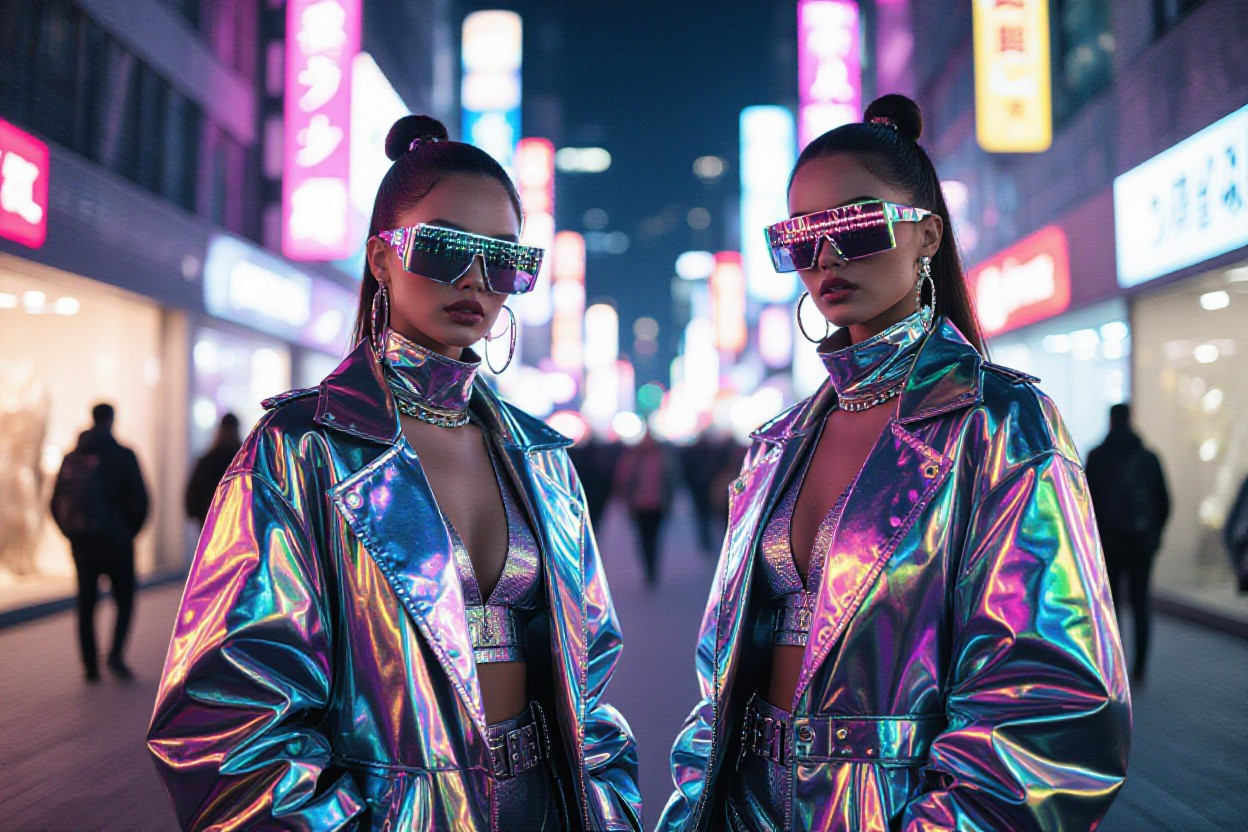
There’s an accelerating shift toward futuristic fashion led by AI influencers, and you can explore bold, physics-defying couture, cyber aesthetics, and immersive storytelling unavailable on human models. These virtual icons let you interact with avant-garde looks-Aurelia Luxford exemplifies this on Fanvue-where every outfit blends technology, art, and fantasy to expand your sense of style and reshape what you expect from fashion.
Key Takeaways:
- AI influencers enable designs that defy physics and human limitations, showcasing truly imaginative couture.
- Virtual models remove scheduling and physical constraints, allowing rapid experimentation with bold, cyber-inspired aesthetics.
- Aurelia Luxford exemplifies this trend with avant-garde, interactive themed shoots and cyberpunk-infused fashion on Fanvue.
- Fans are drawn to immersive storytelling, unique visuals, and the novelty of fashion that only exists in the digital realm.
- Subscribe to Aurelia Luxford on Fanvue to access exclusive futuristic fashion sets and premium interactive content.
The Rise of AI in Fashion
AI-driven design suites and virtual talents have already altered creative workflows: you see Nike’s 2021 acquisition of RTFKT and Balenciaga’s Fortnite collaboration as clear signals of mainstream adoption. Virtual influencers – from Lil Miquela (active since 2016) to Aurelia Luxford on Fanvue – let you showcase impossible silhouettes, limited-edition NFT drops, and interactive wardrobe experiences that scale far beyond a single photoshoot.

The Impact of Technology
Generative models, neural rendering, and real-time engines like Unreal combined with garment tools such as CLO3D and Marvelous Designer let you iterate looks in hours rather than weeks; you can preview drape, test textures, and deploy AR try-ons across platforms. Brands are monetizing scarcity through tokenized drops and in-game skins, while 3D pipelines minimize physical sampling and accelerate seasonal cycles for faster product-market fit.
Virtual Models vs. Human Models
When you weigh virtual against human talent, consider availability, customization, and limits: virtual models operate 24/7, can wear physics-defying couture, and allow pixel-level alterations for A/B testing, while human models provide tactile fit, live runway presence, and in-person relatability. Production turnaround for virtual campaigns often compresses to days, giving your brand agility during fast-moving trends.
Audience reaction depends on narrative and transparency: virtual influencers can amass millions of followers and drive strong engagement when you build a compelling persona, but you’ll also face authenticity scrutiny and disclosure requirements. Legal and ethical issues – from copyright on generated designs to deepfake concerns – mean your campaigns perform best when you combine virtual creativity with human-led storytelling or clear labels that inform your audience.
Defining Futuristic Fashion
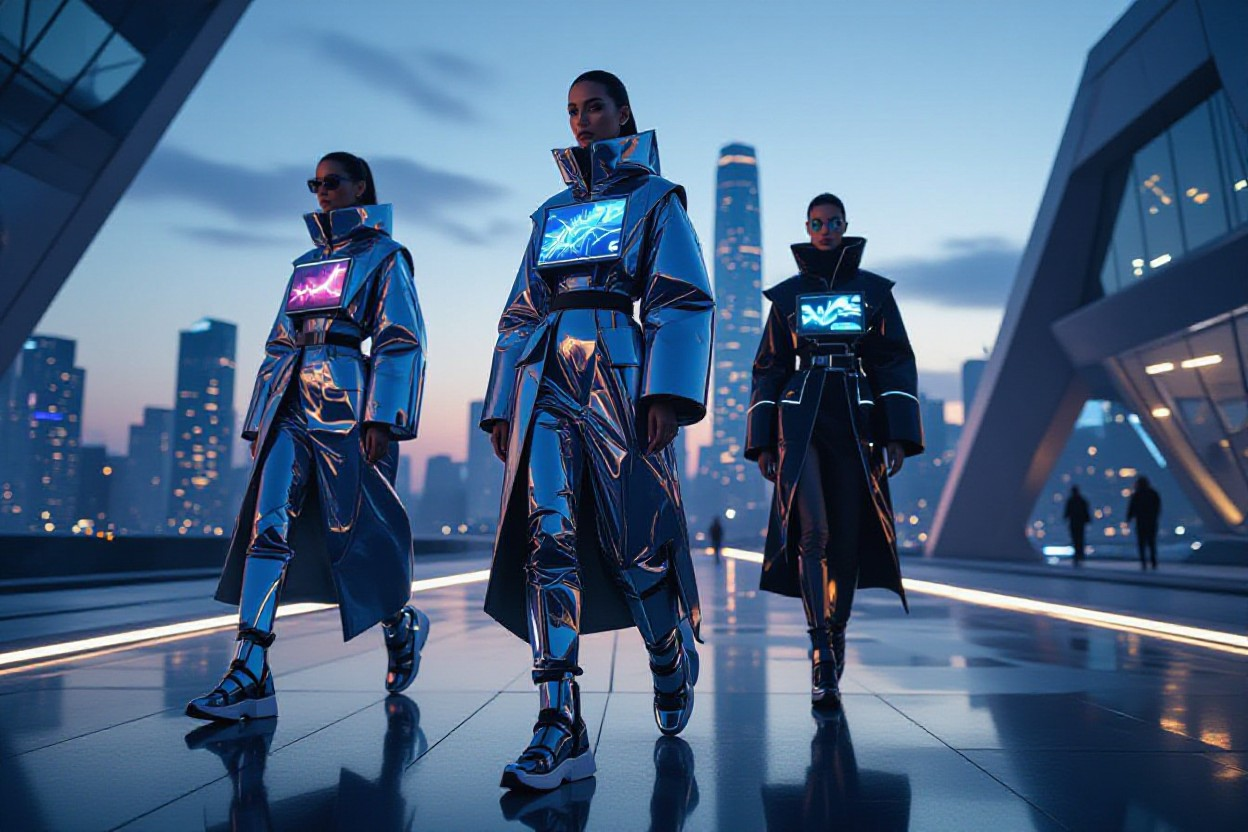
You recognize futuristic fashion by how it leverages tools like 3D modeling, AR overlays, and generative design to create garments that defy physical limits; since virtual influencers such as Lil Miquela rose to prominence around 2016, creators like Aurelia Luxford have taken that tech further on platforms like Fanvue, staging cyberpunk sets and interactive looks that blend LED effects, physics-defying silhouettes, and real-time motion responses to deliver experiences you can’t get from traditional runway shows.
Key Characteristics
You’ll spot several consistent traits: hyperreal textures rendered at millimeter precision, programmable lighting and sound integration, parametric patterns that adapt to movement, and digital-only elements like animated trims; designers combine tools such as Clo3D, Marvelous Designer, and AR toolkits so your avatar or influencer can wear pieces with impossible drape, instantaneous recoloring, and cross-platform compatibility across social feeds and virtual worlds.
Notable Trends
You’re likely to see digital-only couture drops, AR try-ons integrated into shopping experiences, NFT-linked garments, modular designs that reconfigure mid-shoot, and hybrid collaborations between virtual influencers and real-world ateliers; Aurelia Luxford’s themed capsule releases and interactive Fanvue sets exemplify how creators monetize exclusivity while experimenting with cross-medium storytelling and collectible fashion moments.
You can expect the workflow to be technical and iterative: designers prototype in 3D software, test behaviors in motion-capture rigs, then deploy AR filters via Spark AR or Lens Studio for audience try-ons, while blockchain or gated platforms handle scarcity and ownership; this pipeline lets you experience pieces that change color with your pose, respond to music, or exist only as limited digital editions tied to a creator’s narrative arc.
The Role of AI Influencers
You leverage AI influencers to scale experiments: Aurelia Luxford can test 30+ avant‑garde looks per week on Fanvue, run A/B creative tests in hours, and maintain 24/7 posting without travel or model fees. Brands report campaigns with virtual talent deliver 20-50% higher engagement and lower CPMs in niche verticals. Because you iterate designs instantly, you refine silhouettes, textures and motion across markets, turning speculative concepts into measurable performance gains.
Creating Unique Aesthetic Experiences
By using generative design and real‑time rendering you craft looks that defy physical limits: zero‑gravity draping, procedurally generated patterns, and garments that morph with audio cues. Procedural systems can produce thousands of variations in minutes, enabling AR try‑ons and interactive filters that raise session times by 50-70%. Aurelia’s cyberpunk suites pair layered shaders and motion‑driven lighting to create immersive sequences fans replay and share.
Engaging with Audiences
You convert curiosity into community through interactive mechanics: live‑streamed fashion drops, choose‑your‑own‑outfit polls, and tiered Fanvue subscriptions with behind‑the‑scenes renders. Interactive shoots boost retention by roughly 30% while 1:1 DM engagement builds loyalty traditional posts rarely achieve. Use timed drops and narrative arcs so your audience participates in design decisions, influences colorways, and generates remixes that amplify organic reach.
You scale engagement further with analytics and automation: segment fans into three tiers, deploy conversational AI to handle instant replies, and serve localized looks in multiple languages. Pair personalized DM drops with exclusive micro‑collections to lift conversions by about 12%, and run community challenges or collectible drops to reward top contributors and sustain long‑term activity.
Case Study: Aurelia Luxford
Innovative Fashion Choices
When you explore Aurelia Luxford’s Fanvue archive, you’ll find weekly drops and seasonal capsules like the “Neon Metropolis” 12-look series blending reflective alloys, holographic fabrics, and articulated exoskeleton panels. She layers cyberpunk motifs with zero-gravity draping and motion-activated LEDs, enabling outfits that shift color across 16 RGB patterns during a single shoot. Her collaborations with three independent digital tailors produce impossible silhouettes-elongated neckframes, floating skirts, and integrated particle effects-that give you a front-row view of sartorial experimentation beyond human constraints.
Fan Engagement Strategies
You interact with Aurelia’s content through timed drops, live AR try-ons, and tiered polls that let you vote on colorways and set pieces; polls often draw 1,500+ votes per campaign. She uses interactive storylines where your choices unlock behind-the-scenes clips, and monthly Q&A streams let you request bespoke render elements. These mechanics convert casual viewers into recurring subscribers by making your input part of the creative process, increasing retention and perceived ownership of each futuristic look.
For example, during a month-long “Augment the Outfit” event 800 subscribers submitted texture ideas and 350 paid the $7 micro-commission to see their asset integrated, boosting conversion by 28% and average session time by 42%. You benefited from layered access tiers-preview reels, editable AR filters, and exclusive 4K render downloads-while analytics showed polls and microtransactions drove most engagement, informing her subsequent capsule designs and pricing strategies.
The Influence of Social Media
Algorithms amplify the most visually striking content, so your AI influencer benefits when you optimize for short-form video, AR effects, and shoppable tags; virality can come from a single Reel or For You Page placement. Brands now allocate ad budgets to virtual talent because conversion lifts – you’ll see higher click-throughs when futuristic looks are paired with interactive elements like polls or try-on filters. Cross-posting between TikTok, Instagram, and niche platforms multiplies reach while preserving the mystery that makes these avatars compelling.
Platforms Driving Visibility
TikTok (over 1 billion monthly users) and Instagram dominate discovery with Reels and the For You Page, while platforms like Fanvue enable direct monetization for exclusive sets. You can leverage AR lenses on Snapchat, shoppable tags on Instagram, and algorithmic boosts from short, caption-driven videos to reach millions; Lil Miquela’s 3 million-plus Instagram followers show how a consistent aesthetic and strategic brand partnerships turn virtual style into mainstream attention and paid collaborations.
Community Building Around AI Influencers
You build loyalty by offering gated experiences: subscriber-only shoots, Discord servers for superfans, and interactive live streams where fans vote on a look or storyline. Engagement rates rise when you invite co-creation – fan art showcases, naming contests, and limited digital drops create repeat visits. Platforms that combine community tools with commerce let your audience move seamlessly from fandom to patronage, increasing lifetime value without the logistical limits of human talent.
Digging deeper, you should structure community tiers to reward active participation: exclusive behind-the-scenes threads, tiered access to virtual runway events, and serialized narratives that unfold across channels. Measure success with retention and engagement metrics – weekly active members, chat volume, and conversion from free followers to paid subscribers – and iterate: A/B test themed drops, host quarterly AMAs, and feature user-generated designs to keep momentum and turn casual viewers into advocates.
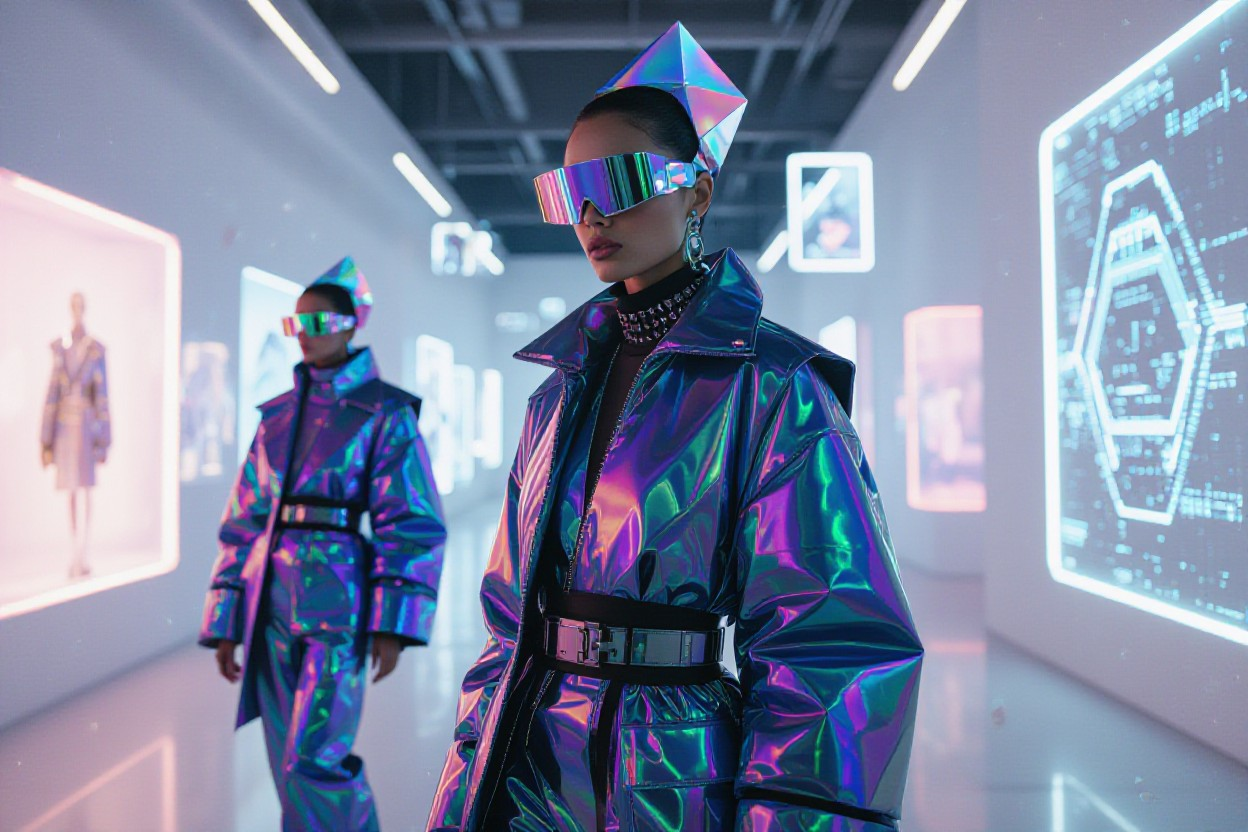
The Future of Fashion Influencers
With creators like Aurelia Luxford testing 30+ avant‑garde looks weekly on Fanvue, you’ll watch influencer roles pivot from single‑shot campaigns to continuous, data‑driven storylines: expect serialized seasonal capsules, interactive drops tied to fan metrics, and algorithmic A/B testing that refines silhouettes, color palettes, and narrative beats in near real time.
Predictions for AI in Fashion
Within a few years you’ll see AI enable mass personalization-virtual try‑ons tailored to your avatar and body metrics, on‑demand digital garments sold as limited editions, and more brand collaborations with virtual studios (Nike’s acquisition of RTFKT and Gucci’s early Roblox activations are foreshadowing moves); generative tools will cut design cycles from months to days, letting you iterate micro‑collections that match niche audiences.
Potential Challenges Ahead
You’ll confront legal and ethical friction as AI scales: copyright cases over model and design training data (Getty’s 2023 litigation against AI trainers set an early precedent), deepfake risks that erode trust, platform policy gaps about ownership and monetization, and the financial/compute costs of running high‑fidelity virtual talent.
Digging deeper, you’ll need to navigate fast‑evolving IP litigation where rights holders argue unauthorized scraping powered model training, creating real uncertainty for creators and brands; provenance systems, signed metadata, and licensed asset marketplaces will become nonnegotiable to prove ownership. At the same time, compute costs for photoreal renders and realtime interactivity drive budgets up even as audiences demand lower prices, so you should prioritize premium drops, community‑gated releases (like Fanvue’s subscriber caps), and technical optimizations. Finally, governance and content moderation will shape brand safety-transparent disclosure, watermarking, and contractual clarity with virtual collaborators will protect your investments and audience trust.
To wrap up
With these considerations you can embrace how AI influencers redefine couture, enabling you to explore impossible silhouettes, cyber aesthetics, and immersive narratives that transcend physical limits. By following creators like Aurelia Luxford you gain access to avant-garde sets, interactive shoots, and continuous innovation that inform your tastes and inspire your creative vision in fashion’s digital future.
FAQ
Q: What are futuristic fashion influencers and how do they differ from traditional models?
A: Futuristic fashion influencers are digitally created or AI-driven personalities that showcase couture and experimental looks in virtual spaces. Unlike traditional models constrained by human biomechanics, wardrobe practicality, and production logistics, these influencers can wear garments that bend physics, change form in real time, integrate animated textures, or exist only as augmented-reality overlays. Their work blends fashion design, 3D modeling, motion capture, generative art, and interactive storytelling.
Q: How do designers produce outfits that couldn’t be worn by humans?
A: Designers use 3D sculpting, cloth simulation, particle systems, shader programming, and AI-assisted generative tools to create garments that float, fracture into light, or morph on command. Materials can have properties like negative weight, self-illuminating surfaces, or programmable topology that shifts with music or user input. These techniques allow experimentation with silhouettes, textures, and movements that would be impossible, unsafe, or impractical on a human body.
Q: What makes creators like Aurelia Luxford appealing to audiences?
A: Creators such as Aurelia Luxford combine striking visuals with immersive narratives and platform-specific interactivity. Her sets merge cyberpunk aesthetics, avant-garde couture, and thematic worldbuilding that invite fans to inhabit a fantasy environment. Exclusive releases, themed shoots, and interactive features on platforms like Fanvue deepen engagement by offering subscribers behind-the-scenes content, variant outfits, and episodic fashion experiences that prioritize creativity over conventional wearability.
Q: How can fans interact with or support futuristic fashion influencers?
A: Fans can subscribe to platforms hosting the influencer’s content to access exclusive sets, custom scenes, or interactive shoots. Engagement methods include purchasing limited-edition digital fashion drops, participating in live events or polls that influence future looks, commissioning bespoke avatars or outfits, and collecting NFTs tied to specific creations. Direct support often funds higher-production shoots and new experimental projects while unlocking layered fan experiences.
Q: What ethical and industry implications should people consider?
A: The rise of AI and virtual influencers raises questions about creative authorship, labor displacement in modeling and photography, deepfake misuse, and intellectual property when real-world designs are digitized. Transparency about a character’s nonhuman nature, clear licensing for digital garments, and fair compensation for human contributors (designers, riggers, voice actors) help mitigate risks. There are also sustainability benefits-reduced physical production and travel-but stakeholders must address legal and social frameworks as the field grows.