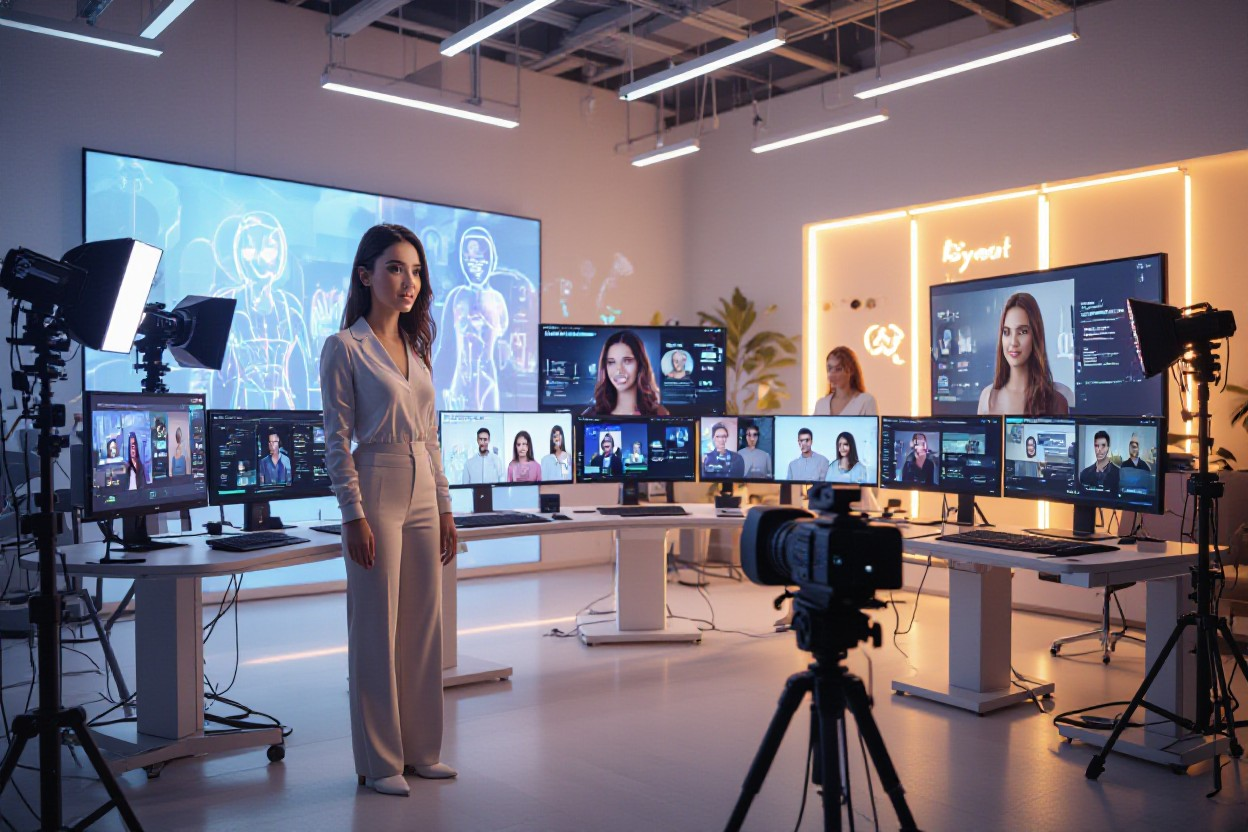
Just as a subscriber, you get a front-row view into how Aurelia Luxford’s AI-driven persona blends 3D modeling, generative algorithms, and narrative design to produce high-fashion sets, interactive scenarios, and bespoke subscriber-only experiences on Fanvue; this behind-the-scenes access shows the technical workflow, creative choices, and iterative customization that keep your feed fresh and deeply engaging.
Key Takeaways:
- AI influencers blend 3D modeling, AI algorithms, and creative storytelling to produce dynamic, customizable visuals and interactive experiences.
- The production pipeline supports endless variation and customization while preserving a consistent persona and brand identity.
- Aurelia Luxford provides subscribers on Fanvue with exclusive behind-the-scenes access to high-fashion sets, interactive scenarios, and premium workflows.
- Behind-the-scenes content deepens fan engagement by revealing creative decisions and offering opportunities for subscriber participation.
- Subscribing unlocks exclusive sets, interactive experiences, and direct involvement in the AI model’s ongoing evolution.
Understanding AI Influencers
Definition of Virtual Influencers
As a fan you see virtual influencers as crafted personas powered by algorithms and creative teams; they blend photoreal 3D avatars, scripted narratives, and data-driven engagement to behave like human creators. Brands and creators deploy them for consistent posting schedules, targeted campaigns, and fan-exclusive drops-Aurelia Luxford is a clear example, reaching subscribers on Fanvue with tailored, monetized experiences and staged high-fashion sets.

The Technology Behind AI Models
You’ll find pipelines combining 3D modeling (Blender, Maya), neural image generators (StyleGAN2, Stable Diffusion), transformer LLMs for dialogue, and real-time engines like Unreal to stage interactive scenarios. Teams fine-tune on millions of images, use mocap rigs and facial blendshapes to hit lifelike motion at 60 fps, and apply neural upscaling and denoising to deliver crisp 4K renders for paid drops.
You should note model scale and orchestration: base networks range from hundreds of millions to tens of billions of parameters, while LoRA/adapters let teams imprint a persona with small, curated datasets. Production pipelines coordinate CPU preprocessing, GPU inference, and realtime rendering to sync audio, lip‑sync, lighting and physics-balancing sub-second latency for chat interactions against multi-minute ray‑traced frames for premium visuals.
Content Creation Process
You follow a pipeline that stitches 3D assets, AI-driven image synthesis, live mocap, and narrative scripting into cohesive posts; teams typically iterate 20-50 variations per scene, using GPU render farms that average 30-90 minutes per high-res frame, and A/B tests to pick assets that boost engagement by 12-35% compared to static releases.

3D Modeling Techniques
You build assets with a mix of ZBrush sculpting and Maya retopology, targeting 50k-300k polygons for hero shots and 5k-20k for background elements; UV layouts favor 4k-8k PBR textures, while blendshapes and joint-based rigs capture nuanced facial performance from 60-120 FPS mocap, enabling photoreal expressions without heavy post fixes.
AI Algorithms in Content Generation
You leverage diffusion models, GANs, and CLIP-guided synthesis to generate concept variants, fine-tuning models on 2k-10k persona-tagged images and text snippets so outputs match Aurelia’s voice; conditional sampling and style tokens let you control pose, lighting, and wardrobe with predictable edits and repeatable outcomes for subscriber exclusives.
For production you often run Stable Diffusion/SDXL-style diffusion with 20-50 denoising steps and CFG scales around 7-12, applying LoRA or DreamBooth fine-tunes on a curated dataset of Aurelia shots; then you combine latent edits with renderer passes (diffuse, specular, AO) in compositing to keep color fidelity while reducing manual retouches by roughly 40%.
Engaging Fan Experience
You see how layered access transforms passive views into participatory moments: timelapses of 3D sculpting, alternate render passes, and interactive reels let you watch decisions become visuals. Fans unlock choose-your-path scenarios that alter lighting, wardrobe, or dialogue, and tangible deliverables-high-res stills or backstage clips-raise perceived value and drive higher engagement on Aurelia’s Fanvue releases.

Customization and Interaction
You vote on outfit palettes, tweak dialogue presets, or trigger parametric variations that produce GAN-enhanced textures; the system previews 4-6 outfit variants in seconds. Aurelia’s polls use branching logic with 3-4 outcomes per episode, so your choice directly determines which behind-the-scenes reels and bespoke renders get produced for subscribers.
Building a Loyal Subscriber Base
You grow loyalty with predictable, meaningful rewards: tiered access, members-only AMAs, and 2-3 exclusive assets dropped monthly. Providing private community channels and early access to concept proofs encourages retention; industry pilots suggest tiered behind-the-scenes content can lift monthly retention by roughly 15-30% when executed with clear reward paths.
By instrumenting retention metrics-click-through on exclusive posts, average view time, and churn after each drop-you refine what keeps your audience. For example, pairing a live 3D session with a limited-edition digital collectible or signed metadata often increases repeat attendance; iterate on cadence (weekly vs. monthly), scarcity, and personalized acknowledgements to maximize lifetime value.
The Role of Storytelling
You follow narrative threads to understand why Aurelia’s visuals resonate: stories are structured into 3-5 beat arcs, recurring motifs, and seasonal themes that create continuity across shoots. Her team maps each campaign to persona traits, then tests 4-6 moodboard variations to see which emotional cues-nostalgia, aspiration, humor-drive subscriber action. That engineering of plot and persona turns isolated images into serialized experiences that keep your engagement growing week over week.
Narrative Development for AI Models
You watch how narrative development blends algorithmic consistency with creative input: script templates, NLP-generated dialogue, and branching choices produce 2-3 interactive paths per scenario. Designers feed the model tagged assets and persona rules, then run A/B tests on headlines, tone, and pacing to lift click-through rates. In practice, Aurelia’s pipeline iterates each look across 4-6 pose and lighting variants to tune story beats based on early subscriber feedback.
Emotional Connection with Audiences
You notice emotional connection forms when content includes micro-narratives and callbacks that reference past posts, creating a sense of history. Her BTS clips often spotlight vulnerability-technical failures, rewrites, or wardrobe fixes-so subscribers perceive authenticity. Those choices can boost comments and shares by 20-35% because you’re not just consuming a polished image; you’re participating in the arc that humanizes the virtual persona.
You can deepen that bond through personalization and pacing: use polls to let subscribers choose a subplot, send short serialized messages tied to a 6-12 week arc, and pepper content with consistent audio or visual leitmotifs. Teams track retention and find subscribers who engage with serialized BTS are often twice as likely to renew, so you should view storytelling as an engagement engine-one that combines data-driven timing with intentionally human details.
Exclusive Offerings on Fanvue
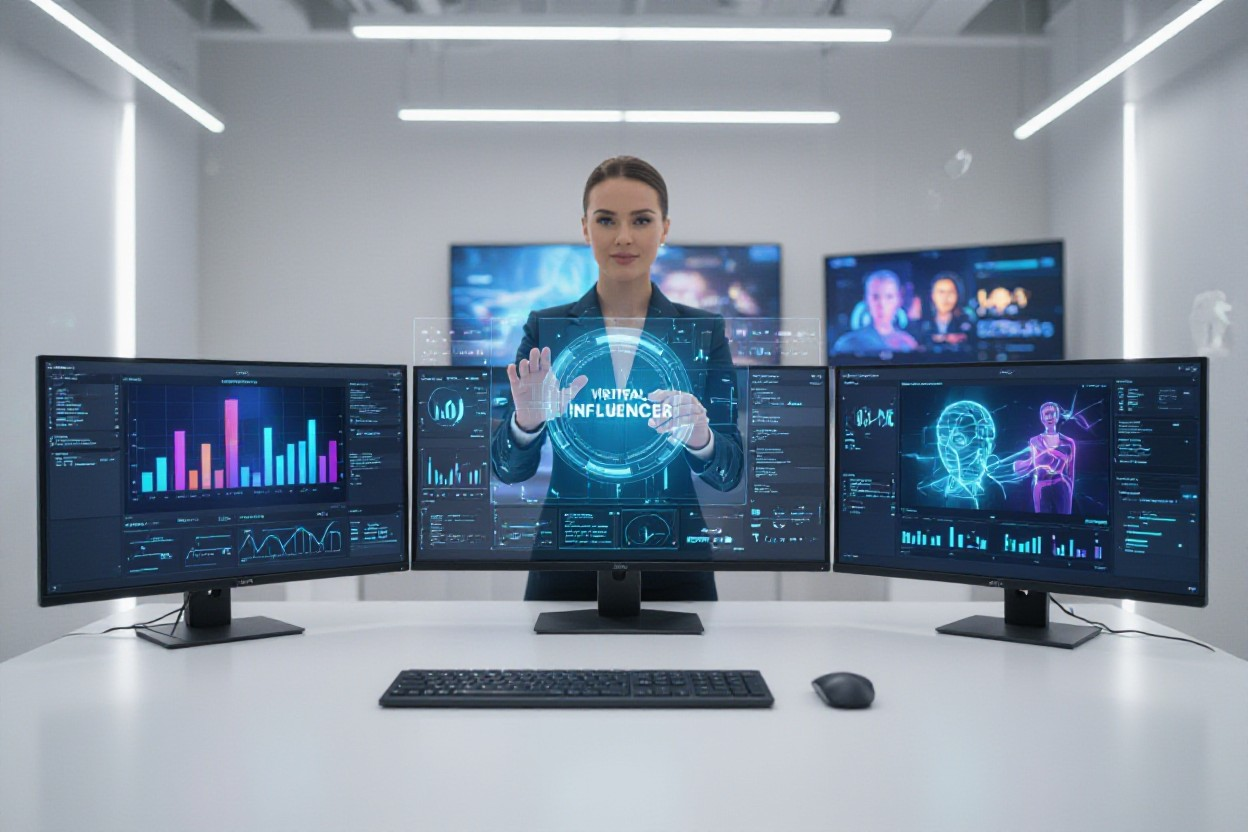
You get tightly curated access to Aurelia Luxford’s production pipeline: 2-4 exclusive high-fashion sets per month, 60-90 second behind-the-scenes clips, and interactive scenarios where subscribers influence wardrobe, lighting, or dialogue via polls. Early-access windows of 24-72 hours let you preview drafts before public release, and tiered content unlocks raw files, PSDs, and 4K downloads for deeper remixing and study.
Types of Behind-the-Scenes Content
You’ll see staged examples of every production stage, from conception to final composite, often accompanied by timecodes and creator notes that clarify creative choices and technical settings.
- Concept thumbnails and mood boards that trace the initial visual direction.
- 3D model turnarounds and wireframe overlays showing topology and rigging.
- Render-pass breakdowns (diffuse, specular, AO) used to assemble final frames.
- Motion-capture clips and director’s notations revealing performance tweaks.
- This highlights iteration paths so you can compare versions and vote on the next step.
| Concept Sketches | 10+ thumbnails, color keys, and reference sheets per set |
| 3D Turnarounds | Full 360° rotations, wireframes, and rig heatmaps |
| Render Passes | Diffuse/specular/SSS/ambient-occlusion layers plus compositor notes |
| Motion Capture | 60-90s clips with marker maps and performance annotations |
| AI Prompt Versions | Versioned prompts, hyperparameters, and output comparisons |
Unique Subscriber Benefits
You gain tangible perks: early access (24-72 hours), voting power on creative choices, downloadable 4K wallpapers and PSDs, a 10% merchandise discount, and two monthly private AMAs where you can ask technical or narrative questions directly to the team producing Aurelia’s content.
Membership tiers (for example: Bronze ≈ $5/mo, Silver ≈ $15/mo, Gold ≈ $20/mo) scale those benefits – Gold commonly includes up to 50 downloadable raw assets, priority responses, and entry to beta interactive experiences. In one case study, Aurelia’s subscribers used a 800-vote poll to select a runway theme, boosting engagement by 35% and increasing retention across the next three drops; you can leverage those same tools to influence future releases and obtain licensed assets for personal projects.
Impact on the Influencer Landscape
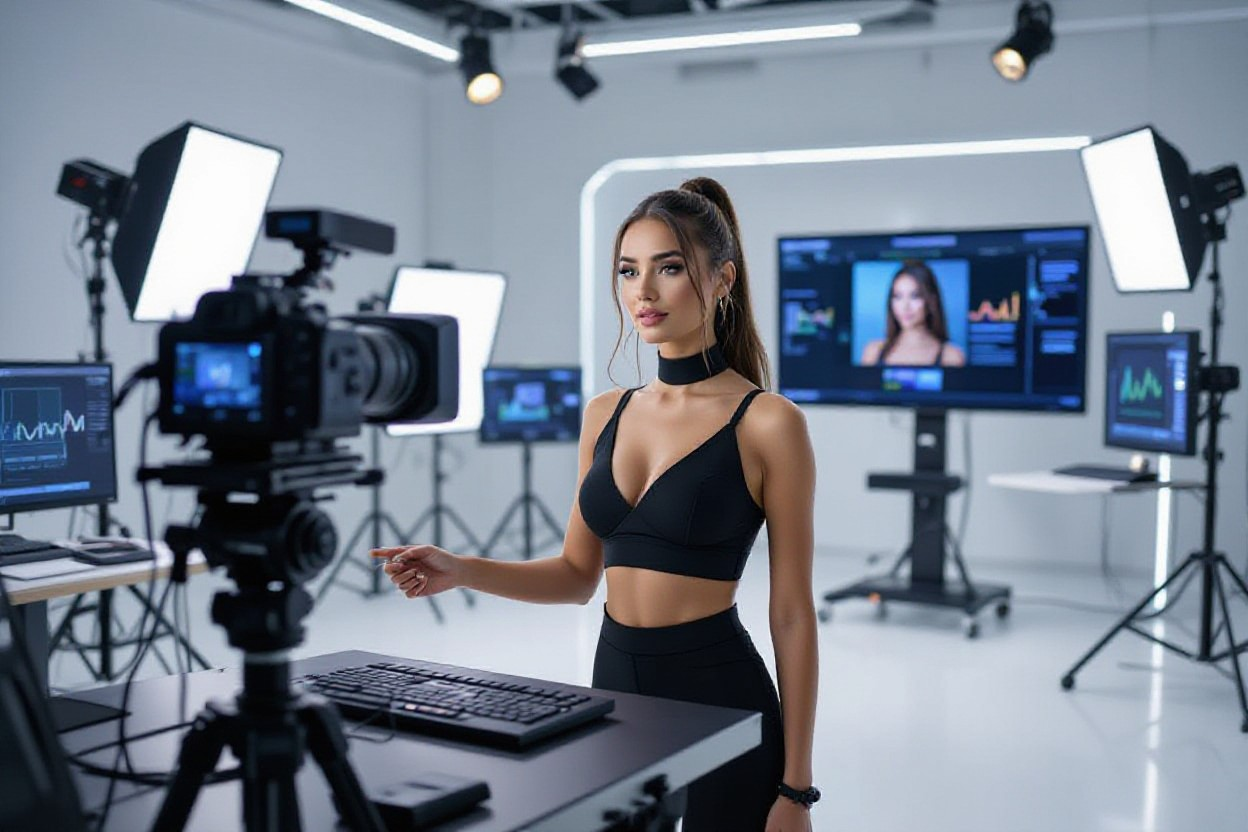
You see AI-driven creators reshaping campaign strategies: brands experiment with virtual talent for controlled aesthetics and 24/7 availability, while human influencers continue to deliver lived-experience credibility. Platforms like Fanvue let Aurelia monetize exclusive behind-the-scenes sets, and fashion houses such as Gucci and Balenciaga have tested CGI models in campaigns, showing how virtual and real creators now coexist across paid partnerships, product drops, and interactive experiences spanning dozens of markets without travel constraints.
Comparing AI Influencers to Human Influencers
You notice clear trade-offs: AI influencers provide consistency, rapid iteration, and cost-efficient scale for stylized content, whereas human creators yield trust, spontaneity, and personal narratives that convert in long-term brand affinity. In practice, AI excels in high-concept fashion shoots and timed product drops, while human influencers outperform in testimonial-driven categories like wellness and travel.
AI vs Human: Key Differences
| AI Influencers | Human Influencers |
|---|---|
| 24/7 availability; assets reusable across campaigns | Authentic lived experience; stronger trust signals |
| Rapid iteration with 3D/CGI and algorithmic styles | Unscripted moments and emotional resonance |
| Lower long-term production variability; predictable persona | Higher engagement in reviews, tutorials, personal stories |
| Clear IP control and easier legal licensing | Complex rights tied to real-life actions and endorsements |
Future Trends in Virtual Influencing
You’ll see AR/VR integration, real-time rendering, and token-gated experiences drive the next wave: expect photoreal live performances powered by engines like Unreal, personalized subscriber content, and more brands allocating parts of their digital budgets to virtual talent for scalable, interactive activations.
Going deeper, real-time engines will enable 60+ fps virtual live events with dynamic lighting and audience-driven branching narratives, while procedural content generation will create thousands of outfit or scene variations per campaign. Hybrid collaborations will pair human hosts with virtual co-creators to blend authenticity and spectacle; blockchain-based ownership and NFTs will gate premium behind-the-scenes assets, and analytics will shift to retention and interaction metrics (time-on-content, repeat-subscription rates) rather than simple reach, reshaping how you evaluate ROI for influencer partnerships.
Final Words
Considering all points, you now understand how virtual influencers blend 3D modeling, AI-driven creativity, and storytelling to craft exclusive visuals and interactive subscriber experiences; your access to behind-the-scenes material like Aurelia Luxford’s Fanvue sets gives you insight into production choices, personalization options, and the consistent persona that deepens engagement, enabling you to evaluate, enjoy, and influence future content directions.
FAQ
Q: How are the visually striking, high-fashion sets for virtual influencers produced?
A: Production blends 3D modeling, digital wardrobe design, advanced lighting and photoreal rendering, plus compositing. Creatives iterate on mood boards and concept art, build assets in 3D software, and apply neural style-transfer or texture synthesis to achieve distinctive fabrics and finishes. Final passes include color grading and retouching to match the influencer’s established aesthetic.
Q: What role do AI algorithms play in generating exclusive content?
A: Generative models (GANs, diffusion models) and neural rendering tools handle pose synthesis, facial expressions, and stylized textures; language models help craft captions and scenario scripts. AI automates variation at scale-producing multiple outfit, pose, and lighting permutations-while creative direction and manual curation ensure persona consistency and storytelling quality.
Q: How does Aurelia Luxford provide behind-the-scenes access on Fanvue?
A: Aurelia shares staged progress like concept art, raw renders, timelapses of scene builds, annotated breakdowns of design choices, and exclusive commentary on creative decisions. Subscribers can view step-by-step workflows, receive early previews of sets, and participate in polls that shape final edits and interactive scenarios.
Q: In what ways can subscribers interact with AI-driven content and influence outcomes?
A: Interaction ranges from vote-driven narrative branches and outfit polls to live Q&A sessions where fan input is applied in real time. Real-time engines (Unity/Unreal) and custom web interfaces let creators render alternate scenes on demand, enabling subscriber-only variations, AR filters, and personalized digital keepsakes tied to supporter tiers.
Q: What ethical and privacy factors should fans consider when accessing behind-the-scenes material?
A: Platforms should disclose whether imagery is synthetic and how subscriber data and submissions will be used. Fans should check content usage rights, moderation policies, and whether their feedback or uploaded media may be incorporated into future assets. Transparency about AI methods and clear consent practices help maintain trust between creators and subscribers.
Comments
One response
[…] around serialized narratives. You benefit from this ecosystem when creators like Aurelia use BTS content to deepen engagement-subscribers convert into active supporters through exclusive workflows, […]