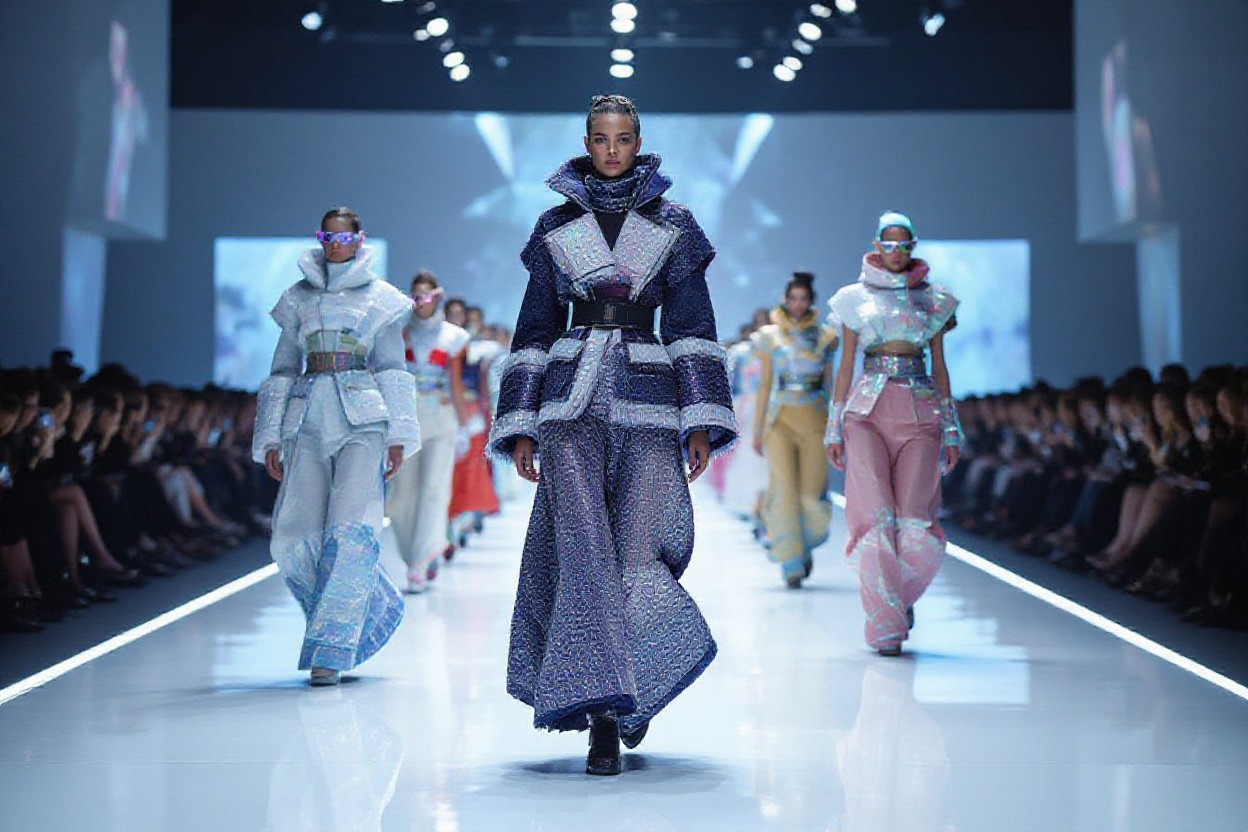
You are seeing high-fashion virtual personas merge AI precision, editorial aesthetics, and interactive storytelling to redefine influence and modeling; they deliver consistent, scalable content, enable hyper-targeted brand collaborations, and elevate visual storytelling while minimizing logistical constraints, so your campaigns and fandoms gain fresh creative control and measurable engagement in the luxury digital landscape.
Key Takeaways:
- AI-driven visual perfection and creative control let virtual personas produce limitless, consistent high-fashion content that scales across platforms.
- Interactive, fantasy-forward experiences and subscriber-only exclusives boost engagement and deepen fan loyalty for luxury brands.
- Virtual models reduce logistical constraints and brand risk while enabling faster creative iteration and cohesive storytelling.
- Data from audience interactions improves AI modeling, enabling personalized style recommendations and optimized campaign performance.
- Examples like Aurelia Luxford show clear monetization and brand-fit opportunities on platforms such as Fanvue, blending luxury aesthetics with fan-driven revenue.
The Evolution of Virtual Influencers
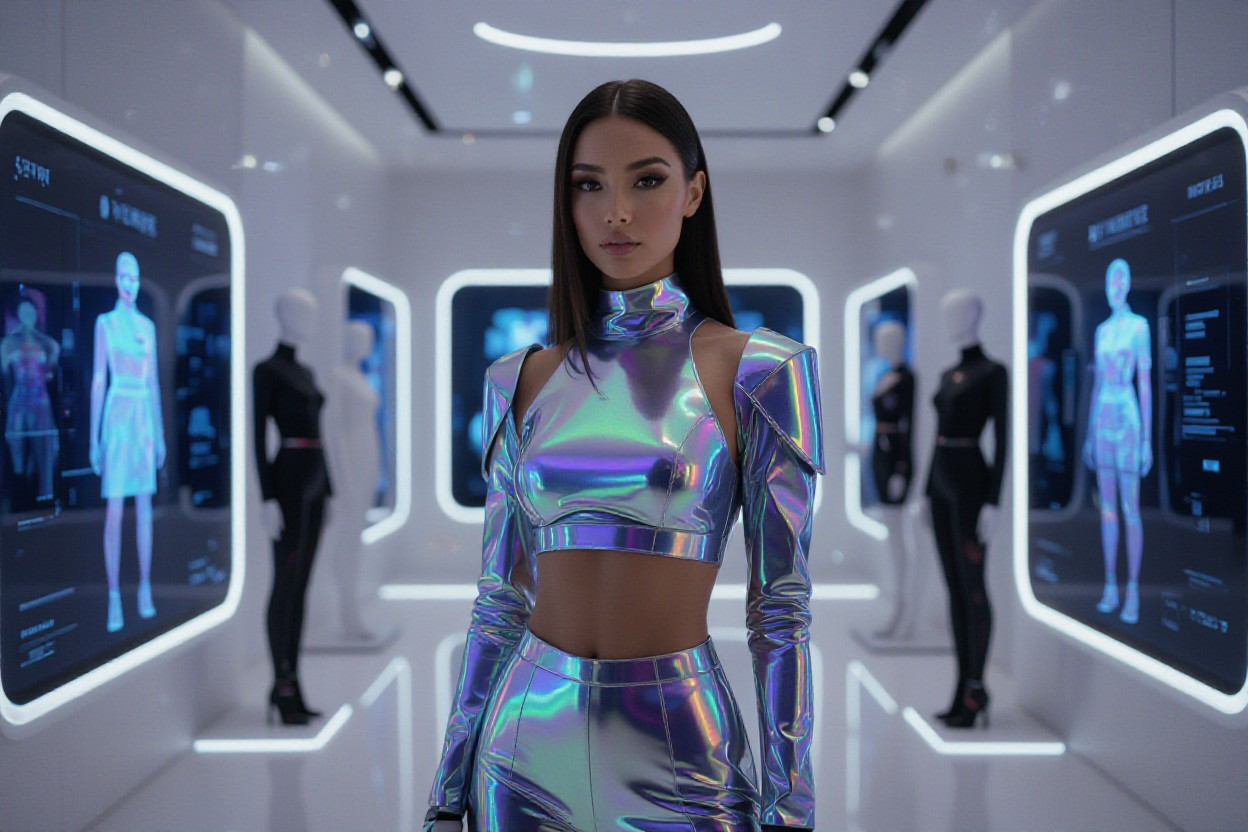
Over the past decade virtual personas moved from novelty CGI posts to fully integrated brand partners; you now see them anchoring runway campaigns, editorial spreads, and subscription platforms. Early examples like Lil Miquela and Shudu proved audience appetite, and newer figures such as Aurelia Luxford on Fanvue show how niche positioning-luxury, interactive subscriber content, themed drops-turns digital models into reliable revenue and storytelling engines for fashion houses and independent creators alike.

The Rise of AI-Driven Models
Advances in GANs, diffusion models and multimodal transformers let you generate photoreal looks, hair, and lighting variations in hours rather than weeks, enabling rapid A/B testing of aesthetics and messaging. You can program persona traits, schedule consistent posting, and iterate outfits or moods at scale; Aurelia Luxford leverages these tools to deliver themed weekly drops and bespoke subscriber assets without the logistical overhead of traditional shoots.
The Shift in Consumer Engagement
Fans expect more than polished imagery-you must offer interactivity, exclusivity, and narrative continuity. Subscription models on platforms like Fanvue let you convert passive followers into paying fans through member-only content, polls, and live sessions, while high-fashion personas sustain long-term interest by delivering serialized themes, behind-the-scenes microstories, and collectible digital assets.
You can deepen loyalty by using interactive mechanics: run live styling workshops, integrate shoppable AR try-ons, and solicit user-generated concepts that the persona then manifests. Aurelia’s subscriber Q&As, themed polls, and limited-run digital looks turn casual interest into repeat engagement, increasing lifetime value and making fans collaborators in the creative process rather than just viewers.

The Aesthetic Appeal of High-Fashion Virtual Personas
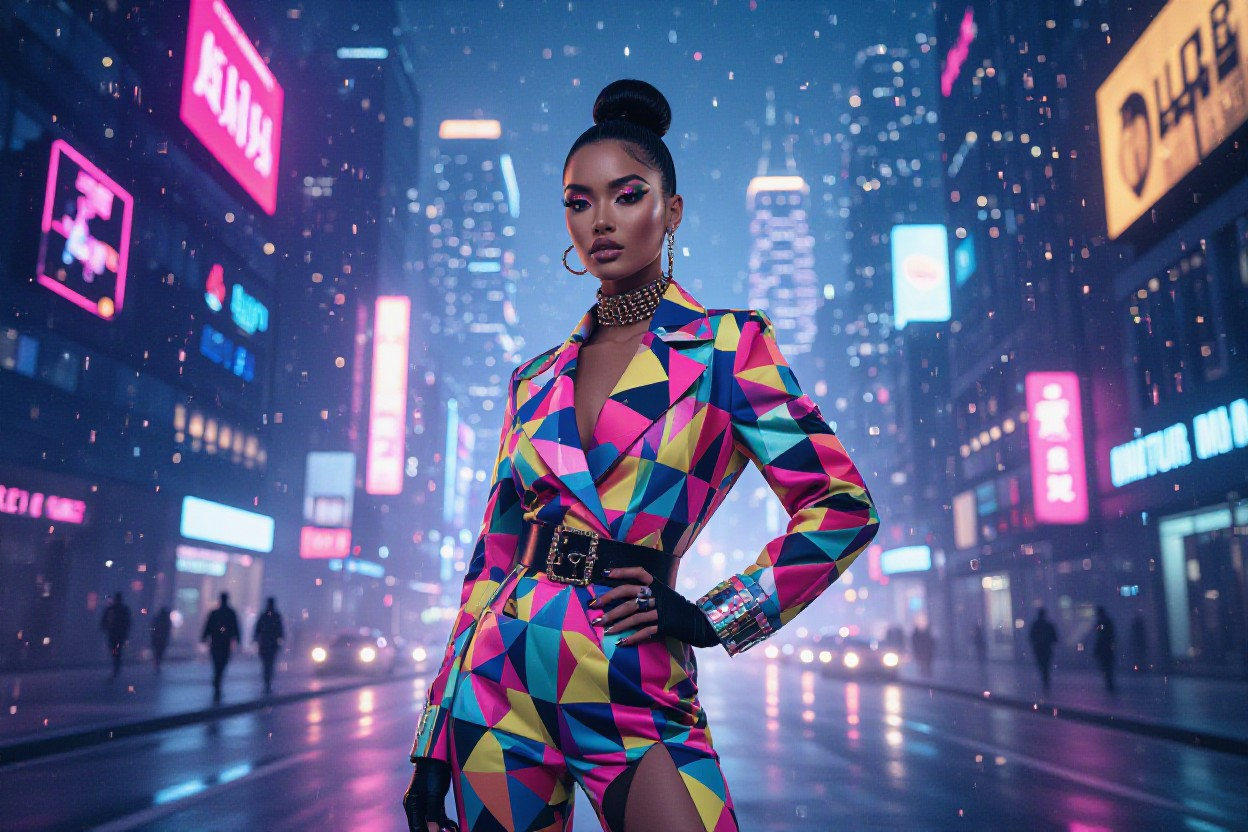
Their visual precision gives you an immediate sense of luxury: pixel-perfect lighting, couture-level wardrobe iterations, and choreography that would cost real shoots tens of thousands of dollars. Top virtual figures like Lil Miquela and Shudu have shown how millions of followers respond to flawless imagery, and Aurelia Luxford leverages that same craft on Fanvue to deliver immersive, collectible looks that keep subscribers returning for the next drop.
Visual Perfection and Consistency
Because you control every render, lighting and symmetry remain constant across campaigns, eliminating batch variability that plagues real shoots; virtual personas can produce hundreds of high-resolution assets in days instead of weeks. Brands rely on that predictability for runway-to-feed continuity, signature color grading, and repeatable poses, which boosts recognition and simplifies media buys when every asset matches the campaign brief.
Crafting a Unique Brand Identity
You build identity through repeatable visual motifs-signature silhouettes, a limited color palette, and recurring micro-narratives-so audiences instantly recognize the persona. Aurelia Luxford’s high-fashion motifs, exclusive subscriber drops, and fantasy-luxe storytelling create a cohesive brand language that turns single posts into a serialized experience rather than one-off content.
Dig deeper by formalizing a persona bible: define voice, wardrobe tokens, lighting presets, and permitted collaborations so your team-or your model-stays on-brand; apply algorithmic style transfer and A/B tests on thumbnails and captions to iterate. When you tie those creative rules to engagement metrics (retention, click-through, subscriber conversion), you convert aesthetic coherence into measurable commercial outcomes.

Interactive Experiences and Fan Engagement
You see engagement shift from passive likes to active experiences: livestreamed styling sessions, AR try-ons, and gated Fanvue drops turn followers into participants. Interactive polls and reward tiers incentivize repeat visits-studies show real-time interaction features can lift session time by 20-35%-and designers use dynamic avatars to preview bespoke couture on your measurements, creating a loop where your behavior trains the persona to deliver ever more personalized, high-value content.
Enabling Personalized Interactions
You get one-on-one feeling at scale: AI-driven DMs, subscriber-only lookbooks, and adaptive avatars tailor content to your size, taste, and purchase history. Platforms use behavior signals and consented profile data to surface outfits you’ll likely buy, while Aurelia Luxford’s Fanvue subscribers receive bespoke styling polls and monthly customized edits that increase perceived exclusivity and conversion versus generic posts.
Creating Immersive Content
You experience fashion as a multisensory event: virtual runways rendered in real-time engines, 3D showrooms where you click to buy, and AR filters that let you “try” couture in your living room. Brands integrate shoppable overlays and collectible drops to gamify access, turning viewership into measurable revenue and deeper fandom.
Technically, immersive campaigns combine WebGL/Unreal-powered environments, low-latency 60fps streaming, and shoppable hotspots layered over real-time composites; this stack can boost conversion rates-case studies report up to 2-3x uplift for interactive launches-while AR try-ons and fit previews reduce returns and increase confidence. You notice better retention when episodes include branching interactions (choose-your-look polls, exclusive NFT mementos), and Aurelia’s Fanvue experiments-exclusive AR filters plus limited-edition drops-illustrate how layered interactivity converts attention into paid loyalty.
The Economic Impact of Virtual Influencers
Cost-Effectiveness for Brands
You slash recurring campaign expenses by eliminating travel, talent fees, and many studio costs-often reducing overall spend by a third or more depending on scope. By reusing 3D assets and AI-driven styling, you turn a one-time creative build into months of content at predictable cost. Case studies from brands that worked with virtual talents show faster turnaround and fewer reshoots, letting you allocate budget to more experiments, micro-campaigns, or higher-quality CGI when needed.
New Revenue Streams in the Fashion Industry
You unlock direct monetization beyond ads: subscription platforms like Fanvue let virtual personas sell recurring access, while NFTs and digital garments create scarcity-driven sales. Brands and creators can license avatars, host metaverse fashion shows, and sell virtual try-ons and AR filters. These channels often produce high-margin revenue-digital drops and limited-edition NFTs have generated five- to six-figure returns for fashion collaborations.
You can scale offerings rapidly: RTFKT-style virtual sneaker drops and Dolce & Gabbana’s digital runway auctions proved collectors will pay premium prices, and licensing avatars for campaigns cuts go-to-market time. Combine tiered subscriptions ($5-30/month typical), one-off NFT drops, and in-app microtransactions to diversify income; this mix reduces reliance on single sponsors and gives you predictable recurring cash while preserving upside from volatile, high-value launches.
Challenges and Ethical Considerations
As virtual personas scale, you confront legal, social, and perceptual risks: deepfake concerns, dataset provenance, and brand misattribution. Regulators and rights holders are already responding – Getty Images sued Stability AI in 2023 over image training, and the EU AI Act adds transparency obligations for high-risk systems. Expect increased takedowns, compliance costs, and consumer scrutiny that can erode brand trust if you don’t build safeguards into your workflows.
Authenticity vs. Machine-Generated Content
You balance aesthetic perfection with believable humanity: disclose AI-origin to comply with FTC guidelines on endorsements, craft micro-interactions like spontaneous replies or staged “behind-the-scenes” posts, and A/B test tone and disclosure to measure trust and conversion. Aurelia Luxford’s subscriber-only narratives on Fanvue demonstrate that when you combine consistent persona rules with transparent disclosure, engagement often rises while skepticism falls.
Navigating Intellectual Property Issues
You must secure rights at every stage: license training images, obtain model releases for any real-life likeness used, and clear designer copyrights for recognizable prints or logos. The 2023 Getty Images v. Stability AI case shows courts will scrutinize dataset sourcing, and brands increasingly require proof of provenance before partnering. Build contractual clauses that specify ownership of outputs, commercial limits, and takedown procedures to avoid costly disputes.
Operationally, you should implement provenance logs, embed invisible watermarks, and run similarity checks against major image databases before release; reverse-image APIs and perceptual hashing catch inadvertent reproductions. Negotiate explicit licensing for derivative commercial use, consider co-ownership or revenue-share clauses with designers, and maintain audit trails for datasets to defend against claims. Also prepare for divergent rules across jurisdictions by consulting counsel before global campaigns.
The Future of Fashion and AI Modeling
As you pivot from experimentation to scale, expect real-time photoreal rendering (60+ fps) for livestream commerce, multimodal models that combine voice, motion, and couture, and provenance systems embedding verifiable watermarks into assets. These advances will let Aurelia Luxford-style personas move from Fanvue subscriber drops to AR try-ons and brand collaborations with dramatically shorter production cycles, turning one-off campaigns into continuous, shoppable series that track directly to revenue.
Potential Developments in Technology
Neural rendering and diffusion pipelines will let you generate season-ready looks from seed sketches, while personalized style-transfer trained on thousands of runway and archival images recreates brand signatures at scale without direct copying. On-device inference and 5G edge rendering will enable live interactive fit trials and purchasable overlays, and blockchain-backed provenance plus perceptual watermarks will help you verify dataset lineage and curb deepfake misuse.
Predictions for the Influencer Landscape
Brands will increasingly budget for virtual talent, with analysts forecasting that virtual personas will appear in a growing share of flagship campaigns as hybrid human-digital teams; you’ll see subscription-driven micro-audiences replace some one-off sponsored posts. Measurement will pivot from likes to conversion, dwell time, AR try-on rate, and subscriber lifetime value, making ROI the primary metric for creative decisions.
Revenue models will diversify so you can mix tiered subscriptions, pay-per-view livestreams, limited digital-couture drops, AR-enabled commerce, and licensing deals into single campaigns. Luxury houses like Gucci and Burberry have already piloted digital-first activations, proving partnerships scale; you’ll prioritize metrics such as sales lift, subscriber retention, and revenue-per-follower, and use Aurelia Luxford’s Fanvue blueprint-exclusive tiers and interactive experiences-as an operational template for measurable influence.
Summing up
Summing up, high-fashion virtual personas transform influence and AI modeling by delivering limitless creativity, flawless visuals, and consistent, interactive engagement that lets you scale luxury storytelling and deepen audience loyalty. You gain precise control over your brand, measurable performance, and innovative experiences-exemplified by creators like Aurelia Luxford-making virtual models a strategic, future-facing asset for any fashion or luxury strategy.
FAQ
Q: What defines a high-fashion virtual persona and how do they differ from human influencers?
A: High-fashion virtual personas are digitally created characters designed with cinematic aesthetics, precise styling, and consistent brand identities. Unlike human influencers, they offer perfect continuity in appearance and narrative, can be iterated rapidly to fit campaign needs, and are immune to real-world scheduling or privacy constraints. Their visuals are crafted using advanced generative models and neural rendering pipelines, enabling hyper-real or stylized looks that align tightly with luxury brand language, while interactions can be scripted or driven by conversational AI to deliver curated audience experiences at scale.
Q: Why are brands adopting virtual personas for luxury and campaign work?
A: Brands gain tighter creative control, predictable performance, and lower logistical overhead. Virtual personas eliminate variability tied to real talent-no wardrobe mishaps, travel, or sudden availability issues-and allow exacting adherence to brand aesthetics across channels. They also enable rapid A/B testing of looks, messaging, and settings, and can be deployed simultaneously across global markets with localized assets. For luxury labels, the ability to craft aspirational, fantasy-driven narratives without real-world constraints makes virtual personas an efficient way to maintain exclusivity while increasing content output and campaign agility.
Q: Which AI and modeling techniques power these virtual fashion influencers?
A: A combination of generative adversarial networks (GANs), diffusion models, neural radiance fields (NeRF), and multimodal transformers underpin modern virtual personas. GANs and diffusion models generate high-fidelity textures and stylized imagery; NeRF and neural rendering create consistent 3D-lit scenes and motion; pose estimation and motion capture drive realistic movement; and multimodal models link visual outputs to text, audio, and choreography for cohesive storytelling. Synthetic data augmentation and fine-tuning on curated luxury datasets ensure output quality and on-brand styling, while reinforcement learning and human-in-the-loop review refine behavior and audience interactions.
Q: How do virtual personas engage fans and monetize content-any real-world examples?
A: Engagement stems from fantasy, consistency, and exclusive interactivity. Virtual personas can offer bespoke content series, gated subscriber experiences, live virtual events, and collectible digital assets. For example, Aurelia Luxford on Fanvue combines high-fashion visuals with interactive, subscriber-only content and staged storytelling that encourages ongoing subscriptions and microtransactions. Platforms that support direct monetization, community features, and tiered access let virtual influencers build recurring revenue streams while delivering premium, controlled experiences that feel intimate yet highly stylized.
Q: What ethical, legal, and practical challenges should brands and creators consider?
A: Stakeholders must address disclosure, consent, and authenticity expectations-audiences should know when they interact with synthetic personas. Intellectual property issues arise around training data provenance, designer rights for generated garments, and likeness ownership. Security risks include deepfake misuse and brand reputation if personas are repurposed without safeguards. Practically, maintaining technical quality demands ongoing investment in compute, model updates, and creative oversight. Clear governance policies, transparent labeling, licensed datasets, and contractual frameworks for asset ownership mitigate many risks while enabling sustainable, responsible deployment.