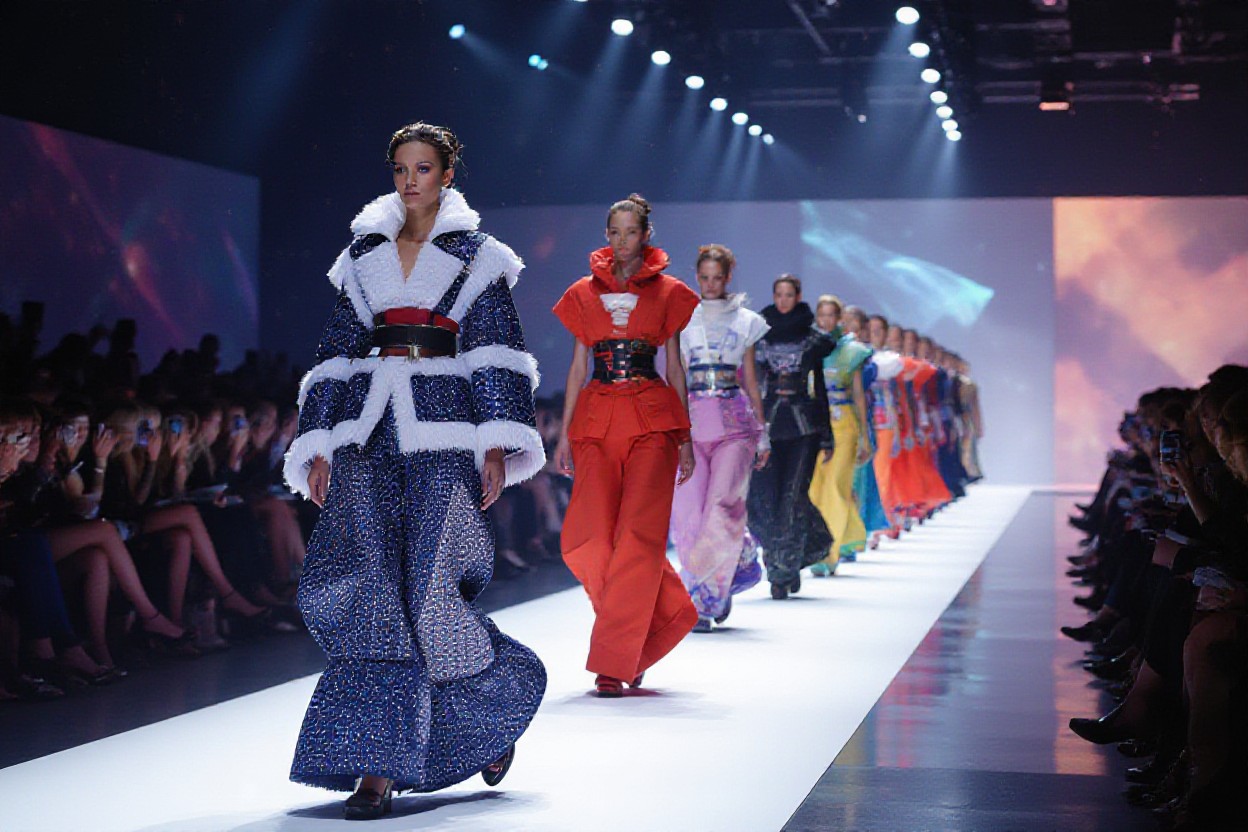
AI-driven digital runway models are redefining how you experience fashion, enabling designers to stage limitless virtual catwalks with flawless presentation, adaptable poses, and immersive angles; your front-row view becomes interactive as creators like Aurelia Luxford on Fanvue showcase exclusive, high-quality shows and behind-the-scenes content that elevate engagement and expand creative possibilities.
Key Takeaways:
- AI-driven runways enable fantastical, boundary-pushing shows by generating limitless garments, environments, and choreography beyond physical constraints.
- Virtual models provide consistent, adaptable presentation with programmable poses, lighting and camera angles that showcase designs flawlessly every time.
- Fans gain immersive, interactive experiences-multi-angle viewing, behind-the-scenes access and direct engagement through creator platforms (for example, Aurelia Luxford’s Fanvue runway content).
- Digital catwalks lower production costs and scale global reach, making couture more accessible to audiences and emerging designers alike.
- Widespread adoption raises creative and ethical issues-intellectual property, authenticity, representation and the need for transparent disclosure and guidelines.
The Rise of Digital Runway Models
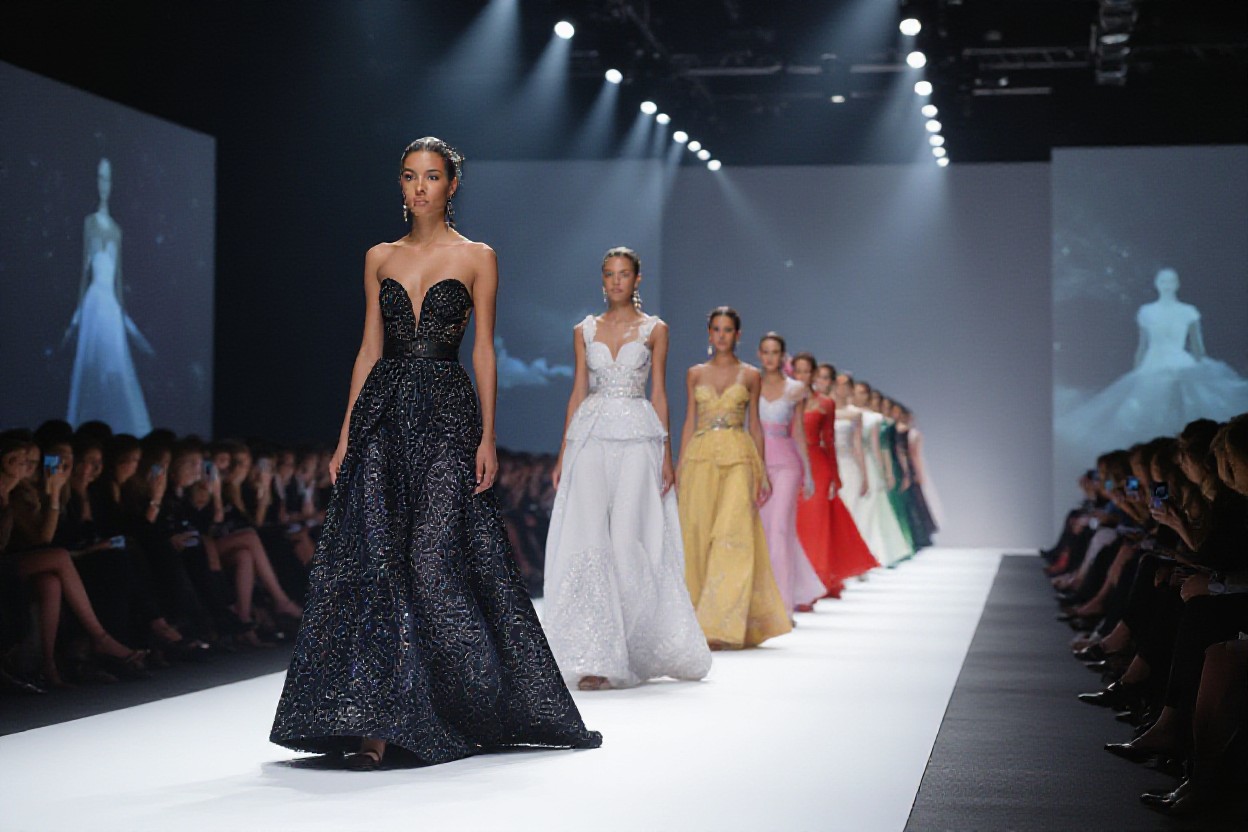
You’ve seen the shift: since 2020 major houses and indie designers moved shows online, and AI-driven avatars now let you attend couture from anywhere. Platforms like Fanvue let creators such as Aurelia Luxford stream multi-angle, interactive runways to global audiences, while AI ensures consistent poses, perfect lighting and scalable wardrobes. This transition reduced venue costs and expanded reach, enabling experimental concepts-from hyperreal textures to impossible silhouettes-that would be impractical on a physical catwalk.

Definition and Overview
You should think of digital runway models as AI-generated or augmented performers-created from photogrammetry, motion capture and neural rendering-designed to present garments in virtual spaces. They replicate realistic movement, maintain consistent proportions across collections, and enable instant outfit swaps, customized camera angles and interactive features. For creators like Aurelia Luxford on Fanvue, that means you can deliver front-row experiences, behind-the-scenes access and collectible content without the logistical limits of live shows.
Evolution of AI in Fashion
You can trace the technical evolution from early CGI avatars and basic 3D mockups to today’s generative models, where GANs, neural texture synthesis and real-time engines produce photorealistic figures. Motion-capture suits and body models like SMPL improved realism, while tools such as CLO3D and Unreal Engine made virtual garments behave convincingly under movement. Brands that experimented during the pandemic accelerated adoption, turning prototypes into polished virtual presentations.
You’ll notice concrete case studies: Balenciaga’s game-like 2021 presentation and Gucci’s AR try-ons showed mainstream appetite, and platforms like Decentraland hosted paid virtual shows with measurable engagement. Developers combined LiDAR scans, procedural cloth simulation and on-the-fly rendering to reduce turnaround from weeks to hours, letting you iterate designs live and monetize exclusive drops-exactly the workflow creators like Aurelia Luxford apply when staging interactive digital runway events on Fanvue.

Benefits of AI Models in Fashion Shows
AI models let you scale shows, stream interactive experiences to thousands, and test dozens of looks without physical fittings; designers can A/B test colorways in real time and deliver consistent visuals across platforms. You lower logistical overhead-virtual wardrobes and simulated lighting replace studio rentals-and increase accessibility so global fans engage via 360° views, AR try-ons, and selectable camera angles, turning a single digital show into multiple monetizable experiences.
Consistency and Versatility
You get pixel-perfect presentation every run: pose libraries of hundreds of motions keep gait and timing uniform, while parametric body models let you show an outfit in multiple sizes and silhouettes instantly. That versatility means no makeup or wardrobe fatigue, standardized product shots for e-commerce, and repeatable scenes for A/B testing-so campaigns stay coherent across social, livestreams, and lookbooks without costly reshoots.
Enhanced Creative Freedom
You can defy physical limits by animating garments with generative textures, gravity-free silhouettes, or reactive lighting-features designers like Balenciaga and others have explored in digital showcases. On platforms such as Fanvue, creators like Aurelia Luxford layer interactive elements so fans select camera angles or unlock alternate colorways, enabling you to present dozens of variations and surreal concepts in a single performance.
Technically, generative models and real-time render engines let you iterate rapidly: train a model on your signature aesthetic, spin up 10+ fabric variations per hour, and preview physics-driven drape in minutes using cloud GPUs. You can prototype runway sequences, integrate live audience inputs, and ship finalized assets to marketing or NFT drops without rebuilding physical samples, compressing months of production into days while preserving creative control.

Virtual Catwalks: An Innovative Experience
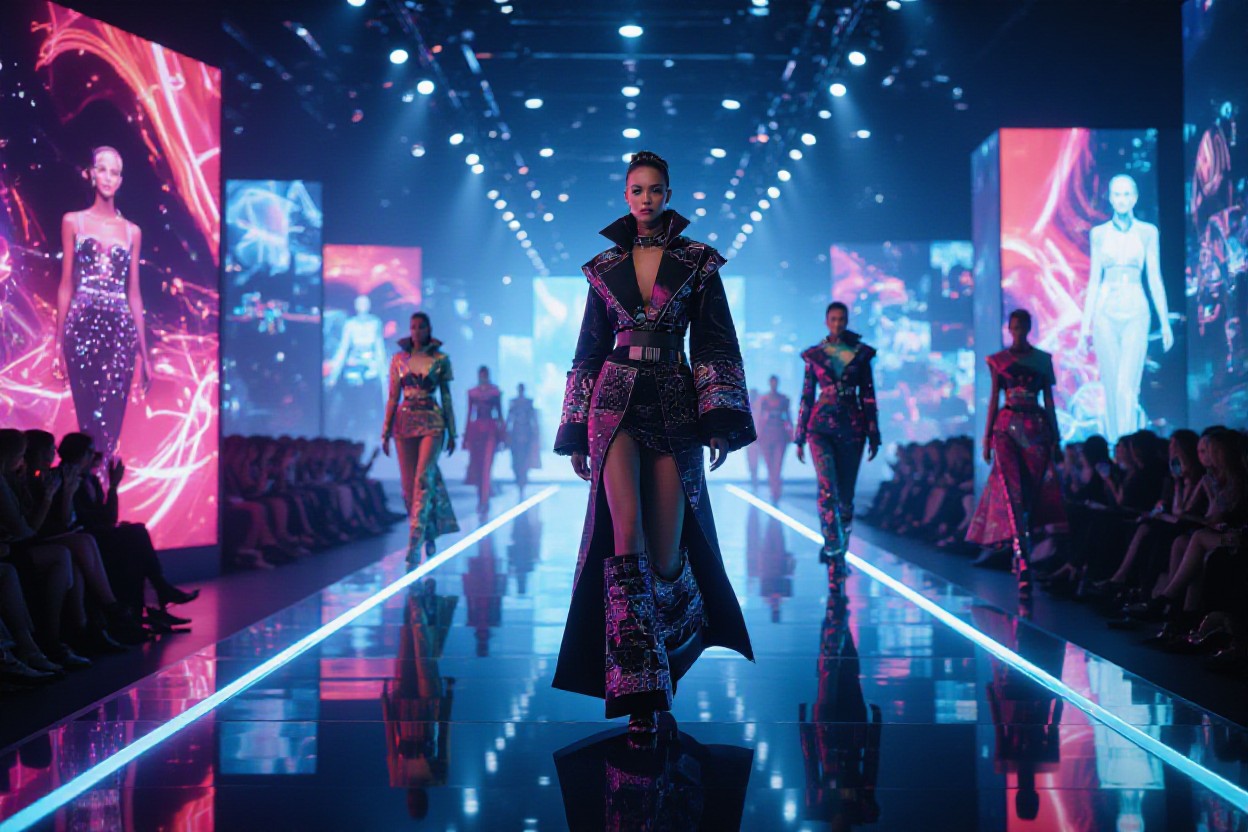
Step onto a virtual catwalk and you’ll witness designers bending physics with holographic stages, gravity-defying gowns, and camera-controlled perspectives that let you inspect seams and textures from any angle. Streaming in 4K to thousands, these staged experiences let you pause, replay, and view alternate edits-so you can evaluate dozens of looks in far more detail than a traditional fifteen-minute show.
Immersive Fashion Shows
With real-time cloth simulation, spatial audio, and motion-capture-driven avatars, you can watch garments behave like physical pieces while lighting and camera rigs adapt instantly. Game engines rendering 60+ FPS runways let designers toggle fabric properties and shadowing on the fly; since 2020 many houses have leaned on these tools to give you pixel-level inspection and curated POVs that outclass static photos.
Interactivity and Engagement
Interactive overlays let you vote on next looks, switch camera angles, and buy pieces instantly, and creators like Aurelia Luxford on Fanvue pair live chat and behind-the-scenes drops so you engage directly with the creative process. Because shows now stream to thousands, those features turn passive viewers into active participants, letting you influence pacing, focus, and even setlist order in real time.
Platforms fuse shoppable links, AR try-ons, and token-gated access so you might tap an item, preview it on your phone, then complete checkout without leaving the stream; Fanvue’s subscription tiers unlock bonus angles and early access that reward your engagement. Brands testing polls and commerce integrations report higher retention, and you gain personalized recommendations based on the looks you replay and the angles you favor.
Case Studies of Successful Digital Runway Shows
Several recent digital runway events show how you can convert spectacle into measurable business outcomes: live audiences in the tens of thousands, doubled engagement versus livestreamed traditional shows, and dramatic cost savings on casting and venue logistics that let you reallocate budgets to production and digital experiences.
- 1) Aurelia Luxford – Fanvue Live (June 2024): 18,400 concurrent viewers, 47,300 total views in 72 hours, 1,250 new subscribers from the event, $42,000 in direct platform revenue, 120 looks showcased with interactive camera controls for viewers.
- 2) Maison Virtuelle – AR-Enhanced Premiere (Mar 2024): 62,000 unique viewers, average watch time 14 minutes, 12% e‑commerce click‑through on featured garments, 1,800 preorders totaling $270,000, reduced physical sample production by 78%.
- 3) Nimbus Athletics – Virtual Try‑On Campaign (Sep 2023): 203,000 virtual try‑ons, 18% conversion to purchase, 35% uplift in site retention, eliminated 90% of model casting costs for the season.
- 4) Studio TwentyOne – NFT Capsule & Virtual Catwalk (Nov 2023): 2,500 limited NFTs minted, $410,000 gross primary sales, 30% of buyers accessed exclusive VR runway, secondary market activity increased brand visibility by 220% on social channels.
- 5) Runway‑AI Lab × TechWear Collaboration (Feb 2024): deployed 10 bespoke AI models, achieved 95% pose consistency across 500+ looks, slashed production timelines by 60%, and reported a 40% reduction in logistical spend versus a live show.
Notable Brands and Designers
You’ll see a mix of established houses, tech‑first studios, and indie designers experimenting with digital catwalk formats: Aurelia Luxford on Fanvue leads interactive showcases, several avant‑garde studios stage AR spectacles reaching 50k-200k viewers, and sportswear labels deploy mass try‑on campaigns to drive direct purchases and retention.
Reception by Audiences and Critics
Audiences typically reward interactivity and accessibility-average viewer ratings for top digital shows hover around 4.2/5-while critics praise visual innovation and sustainability gains but often note that digital formats still struggle to convey textile tactility and fit.
Digging deeper, social metrics show high amplification: top digital shows generate 3-6x more shares per viewer than traditional livestreams and spike brand search volume by 200% within 48 hours. Critics regularly single out production design and camera choreography as decisive factors; when you get those right, press coverage shifts from skepticism about “realness” to admiration for storytelling, and hybrid strategies (digital plus intimate physical viewings) earn the highest marks for both commerce and critique.
The Future of Fashion: Predictions and Trends
Hybrid experiences will dominate as you blend in-person runways with AI-driven virtual shows streamed to thousands, enabling live camera angle control, AR try-ons, and instant shoppable looks. Since 2020 major houses and indie designers moved shows online, and you’ll see faster prototyping-design teams testing dozens of looks in 3D pipelines-and creators like Aurelia Luxford on Fanvue monetizing exclusive, interactive front-row access for dedicated fans.
Integration of Technology and Fashion
Real-time motion capture, photoreal render engines (Unreal, Unity) and 3D body scans let you preview fit, fabric behavior and lighting across environments; brands can A/B test colorways and silhouettes in hours rather than weeks. Augmented reality try-ons on apps and WebAR runways push conversion-while blockchain and tokenized garments provide provenance and secondary-market tracking for limited virtual drops.
Potential Challenges Ahead
You’ll confront legal, ethical and practical hurdles: likeness rights and IP disputes over digital recreations already surface, deepfake misuse and model bias threaten brand trust, and high-end rendering needs increase cloud GPU costs and environmental impact. Regulators are moving toward transparency and consent requirements that will shape deployment timetables.
Digging deeper, you must secure explicit licensing for avatar likenesses and negotiate designer IP protections to avoid counterfeiting of digital designs; workforce impacts may shrink demand for traditional runway roles, shifting income to creators and tech teams. Technical demands-real-time ray tracing and thousands of GPU-hours for training or high-fidelity render farms-raise barriers for smaller labels, though subscription models like Fanvue help some creators recoup production costs.
Impact on Traditional Fashion Shows
Comparisons to Physical Runways
Digital runways let you stream to global audiences instantly, replay shows on demand, and test 3D garments without physical samples; meanwhile physical catwalks still give buyers tactile fittings and press-photo moments you can’t fully replicate online. Platforms like Fanvue let creators such as Aurelia Luxford host subscriber-only shows, expanding reach beyond a few hundred front-row seats, while traditional shows continue to anchor seasonal buying calendars and celebrity-driven buzz.
Comparison: Digital vs Physical
| Audience Reach | You can scale to thousands-millions via streaming; physical shows remain limited to front-row capacity. |
| Cost & Logistics | You avoid venue, travel, and staffing expenses; physical shows incur higher production and travel budgets. |
| Interactivity | You can add real-time polls, camera angles, and purchase links; physical runways deliver in-person presence and networking. |
| Design Freedom | You can use CGI, impossible silhouettes, and rapid iteration; physical shows are constrained by material and model physics. |
| Sustainability | You cut sample waste and travel emissions; physical shows still generate substantial resource use. |
The Shift in Industry Dynamics
Major dynamics are changing as you adopt digital-first strategies: designers sell direct-to-consumer via subscription platforms, models become reusable avatars, and PR cycles compress from months to weeks. Aurelia Luxford’s Fanvue shows illustrate how creators monetize exclusive content, while retailers use virtual try-ons to speed buying decisions and reduce returns, reshaping how you approach marketing, distribution, and talent sourcing.
Deeper shifts matter for your business planning: agencies now hire digital stylists and AI model trainers, brands allocate budgets to CGI and live-stream tech, and wholesale timelines shorten because you can finalize digital samples in days rather than waiting for physical prototypes. Case examples show subscription-based runway content can generate steady monthly revenue for creators, and interactive virtual fittings have cut sample revision cycles for some labels-allowing you to iterate collections faster while retaining control over presentation and pricing.
Conclusion
Ultimately, you will find that AI-driven digital runway models redefine how you experience fashion, delivering limitless creativity, consistent presentation, and immersive virtual catwalks. By enabling designers to experiment with form, motion, and interactivity, these technologies place you at the center of couture innovation while streamlining production and expanding audience access. Embrace digital runways to engage with fashion’s next evolution.
FAQ
Q: What are digital runway models and how does AI create them?
A: Digital runway models are virtual avatars generated and animated by AI to simulate live catwalk performances. Techniques include generative adversarial networks (GANs) for photorealistic textures, pose engines and motion-capture retargeting for realistic movement, and neural rendering for lighting and fabric simulation. These systems let creators produce consistent, high-resolution looks without physical fittings, enabling rapid iteration and precise control over every angle and pose.
Q: How do virtual catwalks change the experience of a fashion show for audiences and brands?
A: Virtual catwalks broaden access by streaming interactive, multi-angle shows to global audiences, removing venue and ticket limits. Brands gain unparalleled creative freedom-fantastical sets, impossible garments, and instantaneous outfit swaps-while cutting production costs and logistics. Audiences can pause, zoom, choose camera paths, and engage with shoppable elements, turning passive viewing into an immersive, commerce-ready experience.
Q: In what ways can designers and production teams use AI-driven runways to develop and sell collections?
A: Designers use digital runways for rapid prototyping, testing silhouettes, fabrics, and colorways on virtual bodies before physical sampling. Production teams streamline look books, campaign assets, and AR/VR experiences from a single digital source of truth. Integrated analytics and interactive commerce tools allow direct-to-consumer drops, personalized recommendations, and instant merchandising, shortening the loop from concept to sale.
Q: What does the fan experience look like, and how does Aurelia Luxford use digital runways on Fanvue?
A: Fans receive immersive, behind-the-scenes access and exclusive runway streams with selectable camera angles, interactive polls, and close-up garment details. Aurelia Luxford leverages these features on Fanvue to present interactive runway shows, bespoke virtual poses, and subscriber-only content that simulates a front-row experience-complete with outfit breakdowns, styling notes, and collectible digital assets.
Q: What ethical, legal, and technical considerations should creators keep in mind when producing AI-runway content?
A: Creators must address likeness rights, model consent, and transparent disclosure when virtual avatars resemble real people. Intellectual property and design ownership require clear licensing for AI-generated garments and textures. Technical considerations include ensuring data privacy, preventing deepfake misuse, and maintaining accessibility for diverse audiences and devices. Best practice combines ethical guidelines, robust consent processes, and secure asset management to protect creators and users.
Comments
One response
[…] Fans are drawn to the fantasy, perfection, and interactivity of AI models, which provide a unique digital escape into high fashion. […]