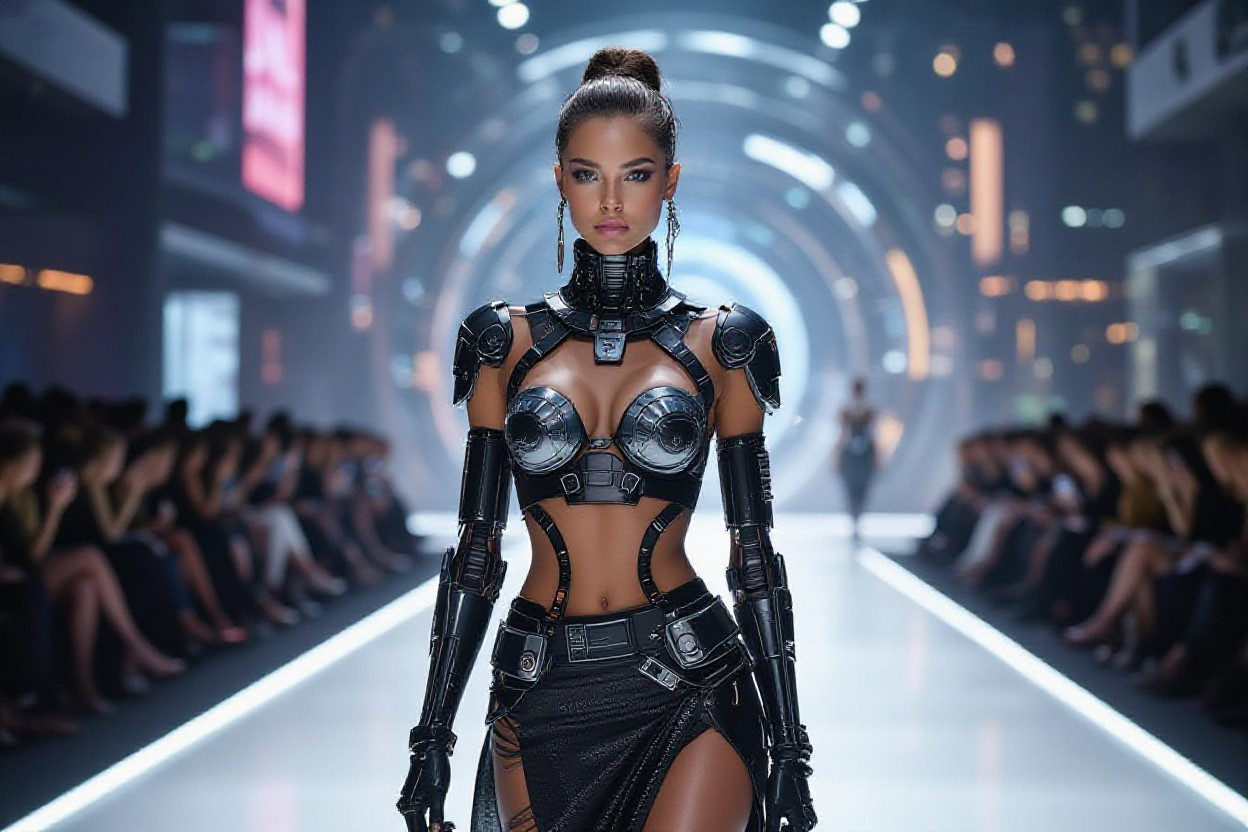
It’s the fusion of photorealistic visuals, consistent persona, and interactive design that lets you experience AI models as true digital celebrities; you can see how virtual supermodels like Aurelia Luxford deliver tailored content across platforms, adapt instantly to trends, and engage fans in ways human schedules cannot match, redefining influence by combining creative control, scalability, and immersive storytelling to elevate your expectations of online fashion icons.
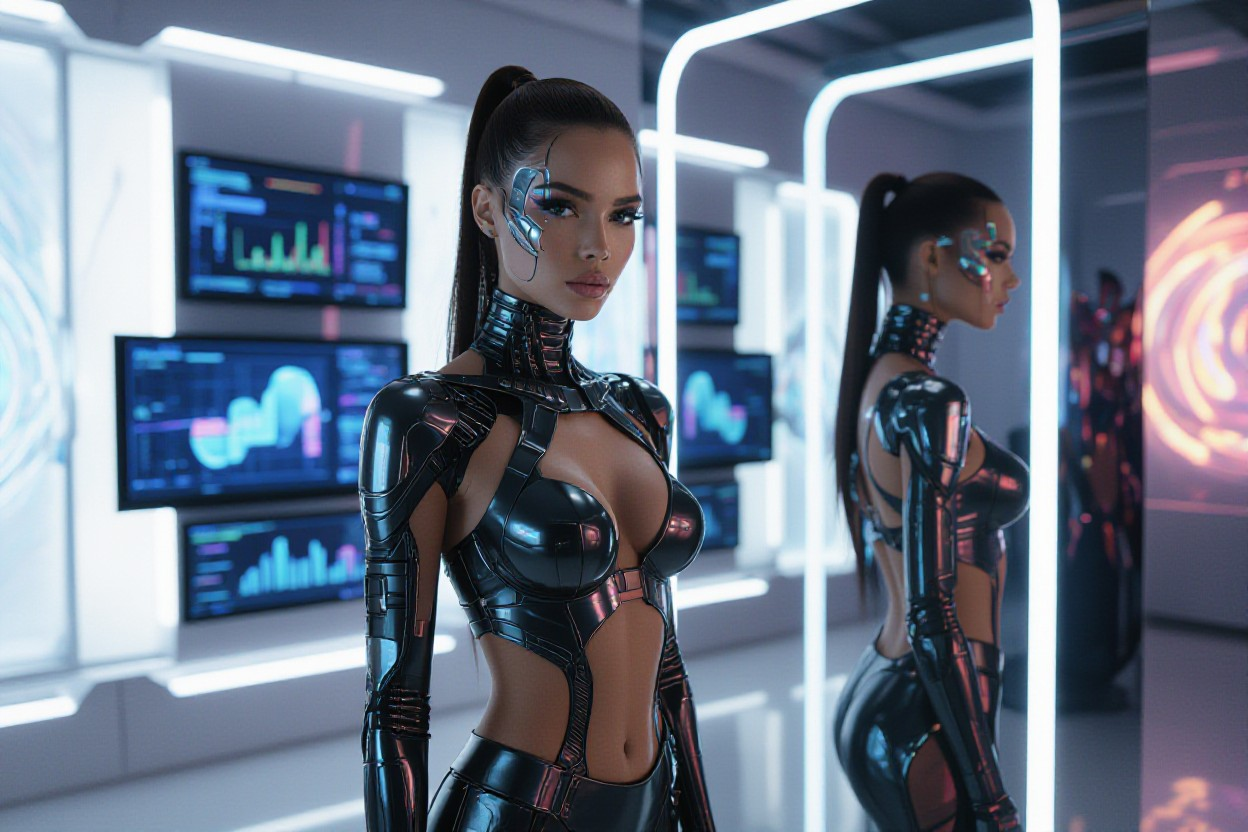
Key Takeaways:
- Virtual supermodels pair flawless, hyper-real visuals with a distinct, consistent persona that builds recognition across platforms.
- Interactive features-exclusive content, fan interaction, and behind-the-scenes access-create engagement humans can’t scale as easily.
- Creative flexibility and scalability let AI models perform in diverse campaigns, styles, and simultaneous roles without fatigue.
- Subscription and monetization models (example: Aurelia Luxford on Fanvue) turn exclusive, tailored content into reliable revenue streams.
- Audiences are drawn to perfected aesthetics, fantasy-driven narratives, and the personalized connection enabled by AI-driven interactions.
Defining Virtual Supermodels
Designed to be persona-driven and platform-consistent, a virtual supermodel lets you deploy a single character across campaigns, livestreams, and subscription services like Fanvue without fatigue or scheduling conflicts. You benefit from deterministic control-pose, lighting, and narrative are reproducible-so brands can A/B test creative assets rapidly; Aurelia Luxford exemplifies this by delivering high-fashion shoots and interactive content on demand, scaling output that would take human teams weeks into days.

Characteristics of Virtual Supermodels
Photorealistic rendering, parametric control over features and expression, and data-driven audience tailoring define these models, so you can iterate looks programmatically and optimize engagement. Many virtual talents generate hundreds of unique outfits and scenes in days, support multilingual interaction, and integrate analytics to refine tone and timing-combining CGI quality, generative-AI styling, and direct fan interaction into a single, consistent persona.
Differences Between Virtual and Human Models
Control and scalability set virtual models apart: you can run 24/7 campaigns, reproduce exact visuals, and avoid travel logistics, while human models bring lived experience and spontaneous relatability you can’t fully synthesize. Examples like Lil Miquela (launched 2016) show how virtual personas attract millions of followers, yet you should weigh authenticity trade-offs and audience expectations when choosing between digital and human talent.
Regulatory and ethical gaps also change how you operate: you must disclose sponsorships per FTC guidelines when virtual personas post paid content, and intellectual property sits with creators and brands, simplifying licensing but complicating authenticity claims. Operationally, you can A/B test captions, garments, and angles instantly, whereas humans offer unpredictable charisma and real-world endorsements that still drive trust and press coverage in ways AI cannot fully replicate.

The Role of AI in Creating Virtual Supermodels
You use AI to fuse persona design, photoreal imagery, and scalable interaction: generate dozens of high-fashion looks in hours, maintain tone across platforms, and A/B test storylines with real-time analytics. Aurelia Luxford’s Fanvue workflow mixes scripted shoots with on-demand content, letting you tailor subscriptions, reward superfans, and iterate visual narratives hundreds of times without traditional casting or travel logistics.
Technology Behind AI Models
You rely on a tech stack that mixes StyleGAN2/3 and diffusion models (Stable Diffusion, DALL·E‑class) for high‑res stills, CLIP and transformers for text-image alignment, and neural rendering plus motion capture for video avatars. Real‑time pipelines use GPUs and engines like Unreal or NVIDIA Omniverse to hit 30-60 fps, training on datasets of millions of annotated images to preserve consistency and avoid uncanny artifacts.
Benefits of AI in Fashion and Marketing
You gain personalization at scale, faster creative cycles, and tighter brand control: campaigns can see engagement lifts of 10-30% while turning weeks of production into days. Virtual models reduce recurring casting costs, enable unlimited outfit permutations, and let you run concurrent micro‑campaigns targeted by region, age, or preference without extra studio shoots.
You can also monetize uniquely: digital fashion sales and NFTs (for example, early virtual garments sold for thousands) and virtual subscriptions create recurring revenue. Platforms that used CGI influencers reported higher conversion in niche audiences, and virtual try‑ons let you cut return rates by improving fit visualization-so your campaigns become both more efficient and more profitable.

Case Studies of Successful Virtual Supermodels
- 1. Aurelia Luxford – Fanvue-focused monetization with ~45K paid subscribers, multi-platform reach (IG + TikTok), estimated monthly revenue $60K-$120K, average engagement ~6.2%, featured in 12 branded shoots and 3 limited-edition drops in the last 18 months; uses hybrid 3D rendering + GAN pipelines for rapid outfit swaps.
- 2. Lil Miquela – Instagram ~3.0M followers, headline partnerships with Prada and Calvin Klein, influencer-led NFT drop netting ~$250K, brand campaign CTRs reported at 1.2%-1.8% and sustained earned media value over $2M since launch.
- 3. Imma – Japan-based virtual model with ~380K IG followers, commercial campaigns for IKEA Japan and Shiseido, cross-media licensing deals generating estimated six-figure annual revenue, high resonance among 18-34 audiences (60%+).
- 4. Shudu – Editorial-first virtual model with ~200K followers, booked by fashion magazines and boutique brands, single-day campaign reach spikes of 400K+ and licensing fees in the $10K-$75K range per project.
- 5. Noonoouri – Niche luxury persona with ~320K followers, collaborations with Dior and Versace, produces branded content and activism-led campaigns yielding above-average share rates (3× baseline for comparable human influencers).
Aurelia Luxford
You interact with Aurelia Luxford through immersive Fanvue sets and social drops that convert visual novelty into subscriptions; about 45K paid fans access exclusive high-fashion shoots, AR try-ons, and monthly behind-the-scenes streams, driving an estimated $60K-$120K per month while maintaining a standout engagement rate near 6%-proof that scalable, on-demand creative production turns digital personas into repeatable revenue engines.
Other Notable Virtual Influencers
You’ll see Lil Miquela, Imma, Shudu, and Noonoouri each occupying distinct niches: Miquela commands mainstream culture with ~3M followers and high-profile brand deals, Imma dominates Japan’s commercial scene (~380K), Shudu sells editorial prestige, and Noonoouri targets luxury fashion houses with frequent runway-adjacent activations and brand collaborations.
You can draw practical lessons from their strategies: diversify platform presence, structure tiered monetization (free reach + paid exclusives), and optimize content lifecycles for reuse across campaigns; typical engagement rates sit between 2%-6%, audience skew toward 18-34, and brands often see lower CPMs and faster creative turnaround versus human talent, making virtual influencers a high-control, scalable option for targeted campaigns.
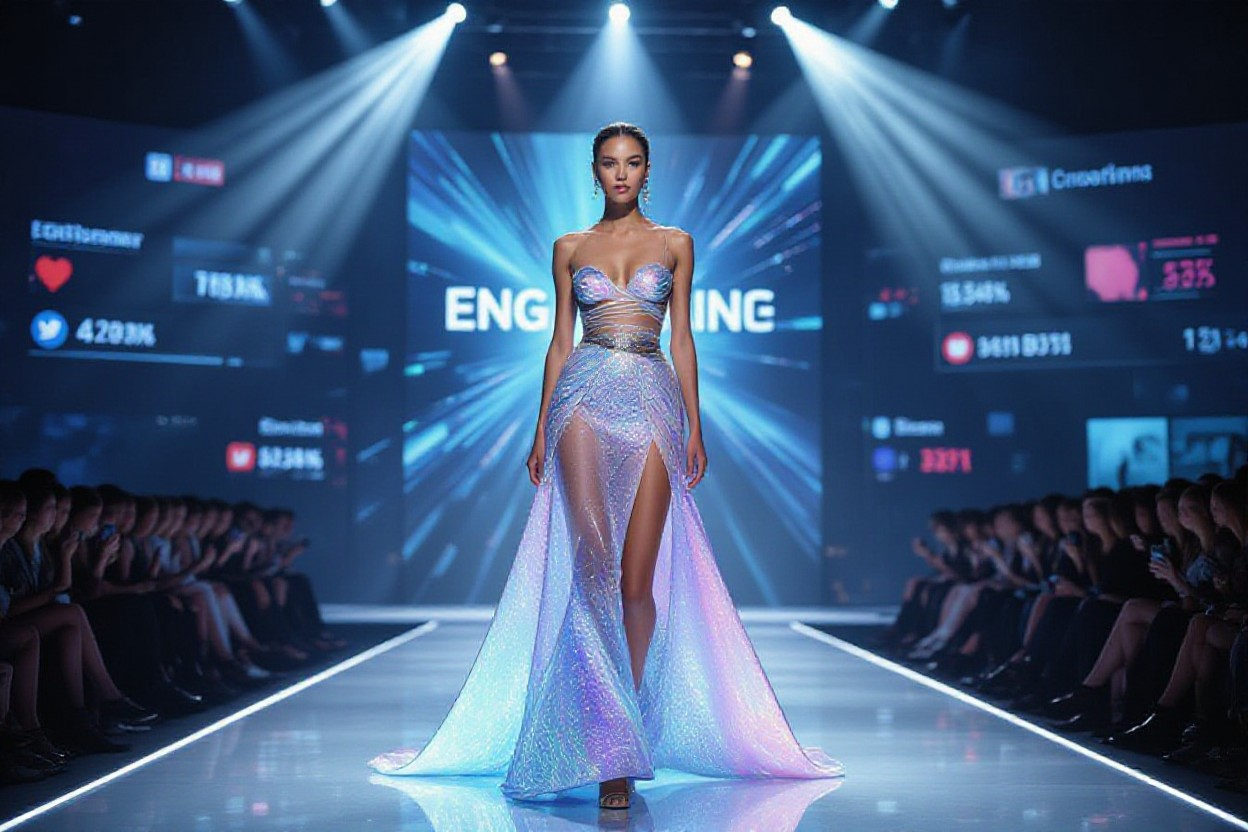
Audience Engagement with Virtual Supermodels
Accessibility and interactivity drive engagement: you encounter virtual supermodels across Instagram, TikTok, and Fanvue offering on-demand shoots, AR try-ons, and real-time polls that keep audiences returning. Their consistent persona and data-driven personalization tailor content to your tastes, converting casual viewers into subscribers through frequent touchpoints and platform-specific exclusives.
Interactivity and Access
You join live Q&As, vote on wardrobe choices, and preview looks via AR filters; Aurelia’s Fanvue approach pairs tiered subscriptions with daily drops and gated behind-the-scenes sets. Automated scheduling and instant feedback loops let you engage 24/7 in ways human models struggle to match, while interactive formats increase repeat visits and session length.
Emotional Connection and Branding
You build loyalty because the AI sustains a coherent backstory, tone, and visual identity across campaigns; Aurelia Luxford combines serialized storytelling with personalized shout-outs and co-branded content, making her a dependable ambassador for long-term partnerships and product tie-ins.
By mapping audience responses and running 4-6 week narrative arcs, you see stronger retention: daily microcontent, weekly live chats, and tailored messages create perceived intimacy that boosts comments and subscription renewals. Aurelia leverages sentiment analysis to refine captions and timing, giving brands predictable audience segments, clearer KPIs, and repeatable conversion paths tied to specific campaign elements.
The Future of Virtual Supermodels
You’ll see virtual supermodels move from campaign assets to full commerce and community hubs: Aurelia-style creators on platforms like Fanvue combine shoppable AR, gated content, and fan-driven drops. Generative models (GANs, diffusion) plus NeRF and real-time engines (Unreal, Unity at 60+ fps) make live digital runways and interactive try-ons feasible, while brands experiment with limited-edition digital garments on marketplaces such as DressX to monetize scarcity and engagement.
Trends in AI and Fashion
You can expect three converging trends: hyperreal rendering (NeRFs and photoreal diffusion models), personalized styling driven by recommendation systems, and immersive commerce via AR try-ons and virtual showrooms. Influencers like Lil Miquela (3M+ followers) proved audience appetite; now brands pair virtual talent with NFT drops, micro-subscriptions, and data-driven customization to increase lifetime value and reduce physical sample costs in pre-production cycles.
Potential Challenges and Considerations
You’ll face legal, ethical, and operational hurdles: disclosure rules from regulators like the FTC require clear sponsorship labeling, copyright and likeness rights can be murky, and biased training data risks exclusionary aesthetics. Platform policies and data laws (GDPR/CCPA) add compliance overhead, while audience trust can erode if you’treat virtual talent as deceptive rather than transparent.
You should mitigate risks through governance and technical measures: implement provenance metadata (C2PA), watermark generated assets, publish model cards and dataset audits, and enforce clear sponsorship disclosures consistent with FTC guidance. Engage diverse datasets and third‑party audits to counter bias, negotiate IP and likeness clauses upfront, and design opt‑in data flows so your virtual campaigns remain legally sound and socially resilient.
Ethical Implications of Virtual Supermodels
Behind the glossy campaigns, virtual supermodels raise questions about authorship, consent, and transparency. If you follow Aurelia Luxford on Fanvue, you see curated fantasy-but brands must disclose AI-generated talent to avoid misleading consumers and regulatory scrutiny. Platforms wrestle with IP when CGI likenesses echo real people, and you should weigh who controls narratives and which communities are sidelined when algorithms define beauty.
Representation and Diversity Issues
Algorithms often encode historical biases, so virtual models can default to narrow beauty standards unless you explicitly diversify training data. Shudu’s controversy-celebrated as a Black supermodel yet created by a white photographer-highlights cultural appropriation risks. You should push brands to publish dataset sources and represent ethnicity, body type, age, and disability with measurable targets rather than defaulting to homogenized ideals.
Impact on Human Models and the Industry
Virtual talent is already shifting commercial bookings you’d expect to go to humans, especially in e-commerce and repeatable catalog work where scalability and 24/7 availability matter. Lil Miquela’s ~3 million followers show how AI personas can attract sponsorships and audience reach, squeezing entry-level gigs and altering rate negotiations for human talent.
Further, you’ll see agencies and VFX studios offering packaged virtual talent plus analytics, letting brands iterate looks and localize campaigns without travel or wardrobe costs. That dynamic pressures day rates and forces human models to emphasize live presence, improvisation, and personal storytelling. As a result, union talks, disclosure rules, and reskilling programs will determine whether you retain bargaining power or cede more assignments to programmable alternatives.
Conclusion
Taking this into account, you can see that virtual supermodels combine flawless visuals, persistent persona, and data-driven engagement to outperform human constraints; by offering scalable creativity, 24/7 availability, and tailored interactions, they let you reach and retain audiences with precision while preserving brand control and aesthetic consistency.
FAQ
Q: What exactly is a virtual supermodel?
A: A virtual supermodel is a purpose-built AI persona that blends photorealistic visuals, a coherent brand identity, and interactive behavior to perform like a human influencer across platforms. These entities maintain consistent styling, voice, and backstory while appearing in campaigns, photoshoots, video content, live events, and fan-facing experiences. Aurelia Luxford is an example: she pairs high-fashion imagery with platform-specific interactivity and exclusive Fanvue content to create a persistent, monetizable persona.
Q: In what ways can AI models outshine human models?
A: AI models can scale production, reproduce exact looks and poses on demand, and adapt instantly to creative direction without scheduling constraints or physical limits. They enable pixel-level control over aesthetics, reduce logistical costs for shoots, and can be iterated faster from concept to final asset. Data-driven optimization also helps tailor content to audience preferences at large scale. Limitations remain in conveying genuine lived experience and human spontaneity, so many brands use hybrid approaches combining virtual and human talent.
Q: What technologies power a high-performing virtual supermodel?
A: Core components include generative image/video models (GANs and diffusion models), 3D character creation and real-time rendering engines, motion-capture and animation pipelines, and natural language models for persona-driven text and voice. Multimodal systems fuse visual, audio, and textual outputs so the model can host livestreams, write captions, and respond to fans. Production workflows also rely on asset management, version control, and synthetic data for training and fine-tuning to match brand aesthetics and legal constraints.
Q: Why do audiences connect with virtual supermodels like Aurelia Luxford?
A: Audiences are drawn to the combination of perfection and accessibility: tailored experiences, frequent exclusive content, and interactive formats that feel personal. Virtual supermodels can gamify engagement, offer subscription-only behind-the-scenes content, and adapt narratives based on fan feedback. That level of availability and consistent high-quality storytelling fosters loyalty, turning casual viewers into paying subscribers and active community members.
Q: What legal, ethical, and commercial issues should creators and brands address?
A: Key considerations include transparent disclosure that the character is synthetic, licensing and ownership of training data and generated assets, and avoiding likeness violations or deceptive deepfakes. Brands must also assess diversity and representation implications, platform rules for monetization (for example Fanvue terms), and consumer trust risks if interactions imply real human experience. Best practices are clear labeling, documented data provenance, rights agreements for any human-derived inputs, and robust moderation policies for fan interactions and monetized content.