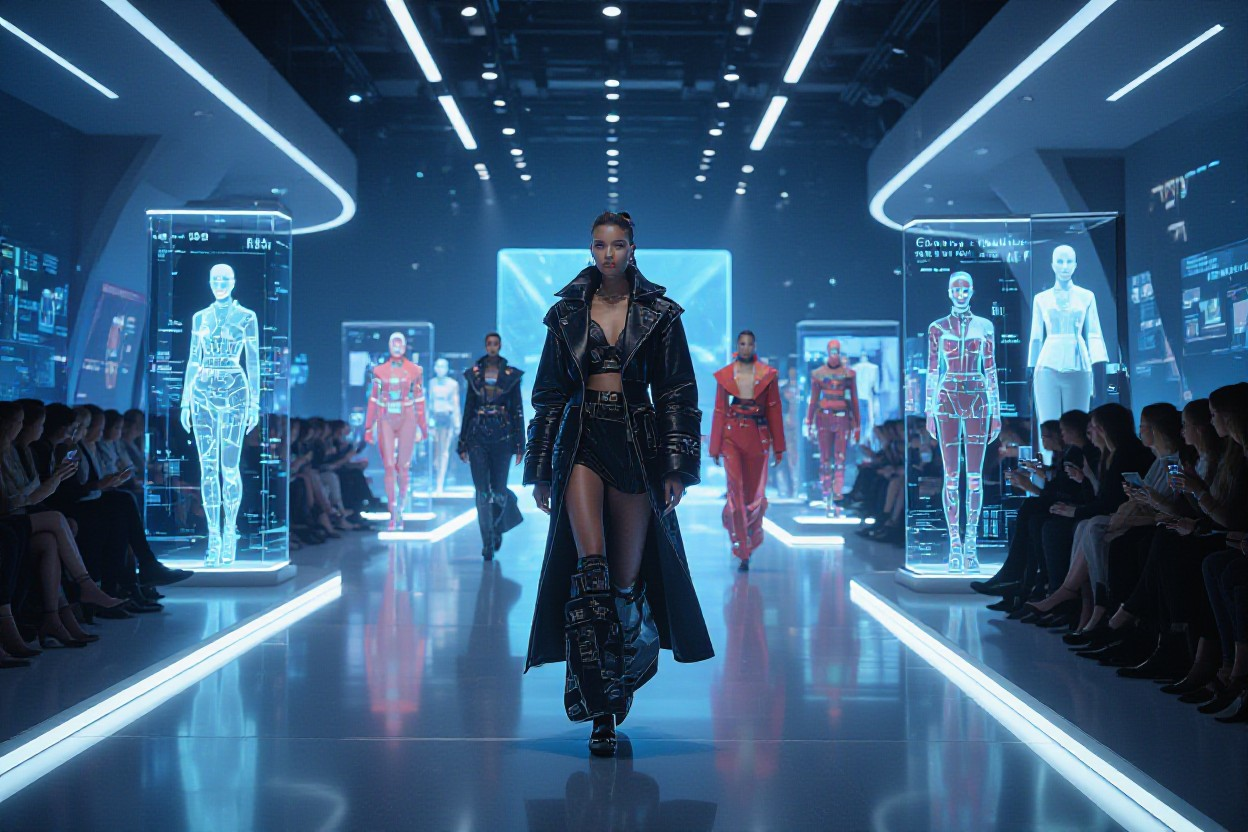
It’s clear that virtual supermodels are reshaping influencer marketing and offering you and your brand consistent, high-fashion content and interactive experiences that human creators struggle to match; brands gain predictable creative control while you enjoy fantasy-driven engagement-Aurelia Luxford on Fanvue exemplifies this trend with exclusive sets and immersive subscriber interactions, showing how AI personas can deepen your relationship with fans and expand the possibilities of digital influence.
Key Takeaways:
- Virtual supermodels deliver consistent, polished content and creative flexibility that human influencers often cannot match.
- Brands benefit from predictable performance, scalable campaigns, and limitless visual concepts.
- Aurelia Luxford exemplifies the format by offering exclusive sets, high-fashion content, and interactive experiences on Fanvue.
- Fans subscribe for fantasy-driven, reliable, and interactive engagement that a digital persona can sustain.
- Subscribe to Aurelia Luxford on Fanvue to experience exclusive AI-generated content and immersive interactions.
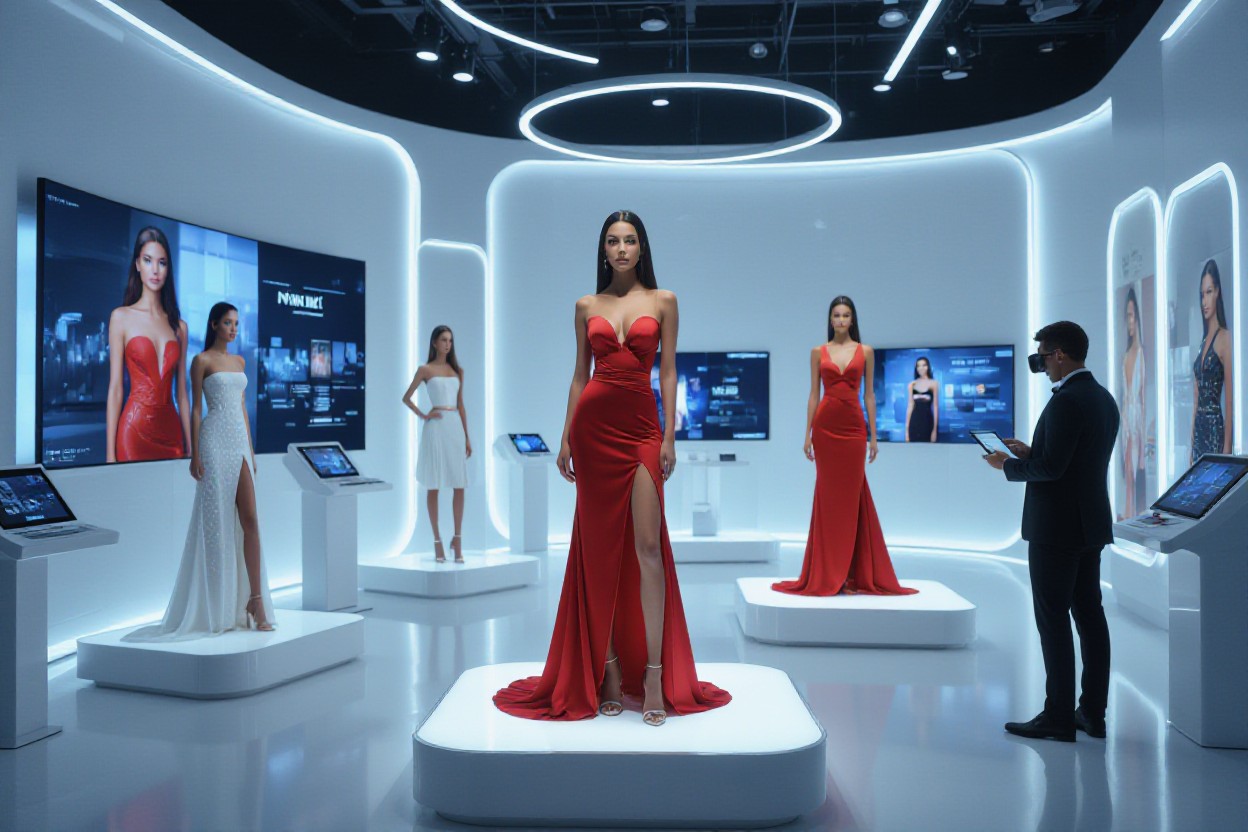
The Rise of Virtual Supermodels
You’ve seen the shift: since 2016 virtual faces moved from novelty to mainstream, powering campaigns, livestreams and subscription channels where they deliver polished, on-brand content around the clock. Lil Miquela’s 2016 debut and Shudu’s 2017 emergence proved digital personas can attract millions of followers, while creators like Aurelia Luxford on Fanvue monetize exclusive sets and interactive experiences that human schedules can’t match.

Definition and Overview
You should think of virtual supermodels as AI- or CGI-created personas managed by teams who script voice, aesthetics, and behavior; they can model limitless outfits, perform virtual try-ons, and run interactive polls. Brands use them for precise brand alignment, rapid content iteration (dozens of looks per campaign), and 24/7 engagement across Instagram, TikTok and subscription platforms like Fanvue.
Historical Context
You’ll trace the movement to early prototypes and viral profiles: Lil Miquela (2016) introduced narrative-driven digital identity, Shudu (2017) showcased photorealism, and by 2018 luxury houses began tentative collaborations. Fan-driven platforms and improved GANs accelerated adoption through the early 2020s, turning isolated experiments into repeatable marketing channels with measurable ROI.
You can map key milestones: 2016-2018 proved concept viability, 2019-2021 saw brands commission bespoke virtual talent for capsules and lookbooks, and 2022-2024 refined real-time animation and monetization-Aurelia Luxford’s Fanvue model illustrates this progression, combining subscription revenue with exclusive interactive drops that traditional influencer contracts rarely enable.

Advantages of Virtual Influencers
Virtual supermodels give you predictable, brand-safe campaigns that scale globally: they post on-demand across time zones, remove travel and scheduling barriers, and let you reuse high-quality digital assets across channels. Aurelia Luxford on Fanvue sustains subscription-driven engagement with exclusive sets and interactive drops, so you can plan launches around controlled narratives and measurable fan interactions rather than human availability.
Consistency and Reliability
You gain full control over cadence, image, and messaging, enabling uniform quality across campaigns and channels. Scheduled releases, reproducible 3D assets, and automated moderation reduce operational risk and simplify forecasting. That reliability also makes it easier for you to meet strict brand guidelines and maintain long-term partnerships without the variability of human schedules or PR issues.
Creative Freedom and Flexibility
Virtual talent unlocks concepts that are costly or impossible with humans: gravity-defying shoots, instant wardrobe swaps, and CGI locales that scale without location fees. Aurelia Luxford’s fantasy-driven content and interactive Fanvue experiences show how you can test bold aesthetics while keeping production predictable and repeatable.
Because assets are digital, you iterate rapidly-test dozens of looks in hours, localize variants for different markets, and personalize visuals for subscriber segments. You can integrate AR try-ons, metaverse activations, and shoppable experiences, turning a single virtual persona into multiple revenue streams and measurable campaign experiments.

Case Study: Aurelia Luxford
Profile Overview
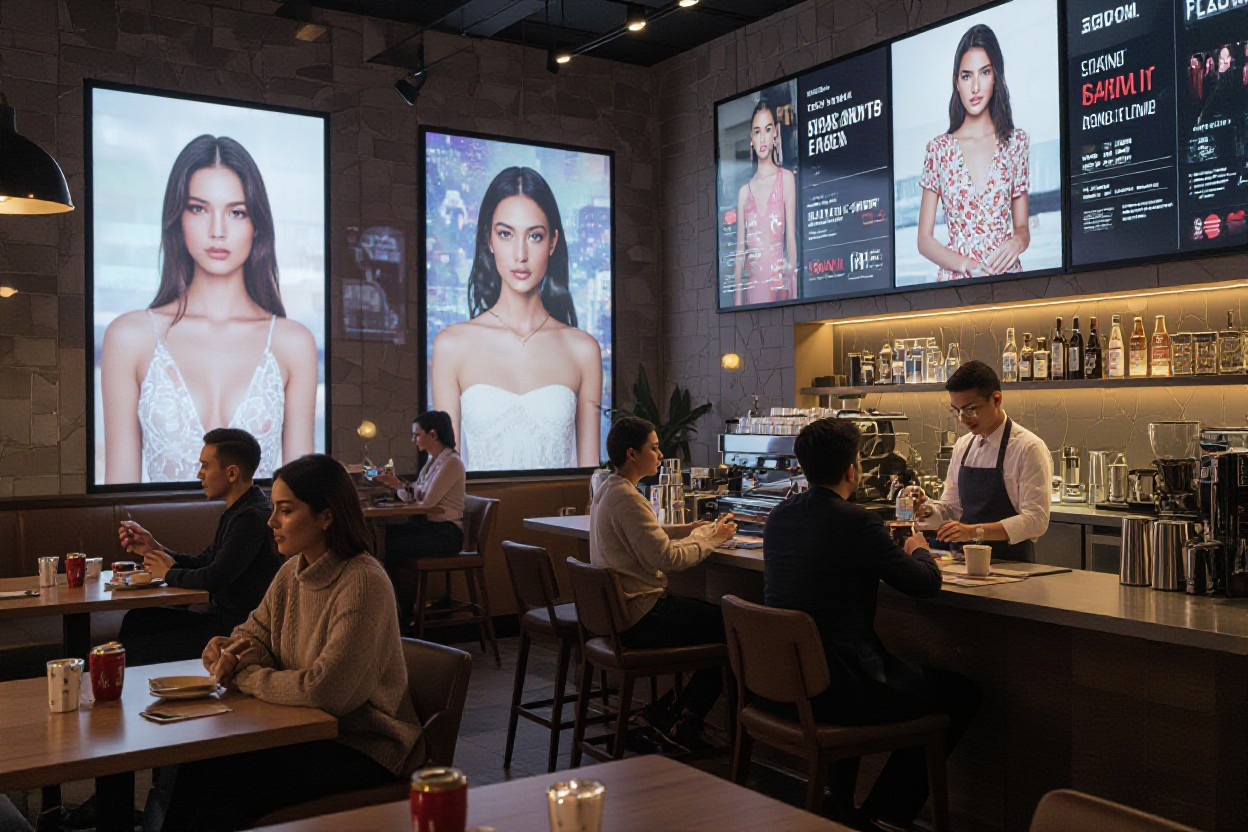
Aurelia Luxford illustrates how you can use a virtual supermodel on Fanvue to deliver high-fashion visuals and fantasy-driven storytelling that sustain subscriber interest. She combines polished editorial imagery with exclusive behind-the-scenes sets and interactive sessions, positioning your brand to benefit from consistent, on-demand content that appeals to niche luxury and escapist audiences.
Content Strategy and Engagement
Her approach shows you how to monetize attention: paywalled exclusive sets, serialized drops that create anticipation, and interactive experiences that invite direct input from subscribers. By blending staged fashion shoots with Q&A-driven livestreams on Fanvue, she converts curiosity into recurring revenue and deeper fan investment.
To emulate her results you should sequence releases-tease a themed set, follow with an interactive livestream, then offer limited-access extras-so engagement spikes at each touchpoint. Prioritize visual consistency and clear calls-to-action in captions so your subscribers know when to return and what paid options will deepen their experience.
The Impact on Traditional Influencer Marketing
Comparison with Human Influencers
When you compare virtual supermodels to human creators you see clear trade-offs: virtuals give you full creative control, reproducible assets, and 24/7 availability, while human influencers deliver spontaneous authenticity and deep personal trust. Brands like Prada and Samsung have run successful campaigns with virtual talents such as Lil Miquela, and you can expect production costs to fall roughly 20-40% per campaign when you replace repeated live shoots with digital assets.
Comparison at a glance
| Virtual Supermodels | Human Influencers |
|---|---|
| Full creative control; assets editable post-launch | Authenticity-driven content; less scripted control |
| Lower long-term production costs (~20-40% savings) | Per-post fees range widely ($500-$50,000+), plus travel |
| Consistent branding and schedule; scalable globally | Variable output; limited by creator availability |
| Easy localization and repurposing (Aurelia Luxford on Fanvue) | Stronger one-to-one relationships and real-life trust |
| Novelty drives niche fandoms and interactive formats | Proven conversion through personal storytelling |
Market Trends and Predictions
Expect budgets to shift: analysts estimate a 15-20% CAGR for AI-driven creator tech through 2028 as brands invest in owned virtual assets and interactive channels like Fanvue and TikTok. You’ll see more direct-monetization models-subscriptions, virtual events, and NFT drops-used to monetize fandoms around virtual supermodels such as Aurelia Luxford.
Adoption patterns will favor hybrid strategies where you pair virtual talent with human creators to balance reach and authenticity; for example, joint shoots or co-branded livestreams can amplify reach while preserving trust. Measurement will evolve too-brands are already tracking engagement-per-dollar and retention, reporting content lifecycles 2-3x longer for digital assets because you can repurpose visuals across ads, social, and in-app experiences without repeat production costs. Prepare for stricter disclosure rules and IP considerations as regulators catch up, and plan governance and asset libraries so you can scale safely and quickly.
Ethical Considerations
When you integrate virtual supermodels into campaigns you must navigate disclosure, data use, and representational bias: the FTC’s endorsement guidelines still apply to AI personas, biometric or behavioral data from interactive sessions can raise privacy questions, and hyper-stylized digital models risk narrowing beauty norms unless you set inclusive design parameters-Aurelia Luxford’s Fanvue model shows how exclusive, clearly labeled AI content can monetize safely while avoiding backlash.
Authenticity and Trust Issues
You need clear transparency because audiences value authenticity; virtual influencers like Lil Miquela (a high-profile CGI case with millions of followers) provoked debate when brand ties and origins were unclear, and the FTC expects conspicuous disclosure of paid links or endorsements-failure to disclose can erode trust and campaign ROI even if engagement rates exceed human averages in some accounts.
Consumer Perception
You’ll find many subscribers embrace the fantasy-Aurelia Luxford’s Fanvue subscribers pay for predictable, interactive sets-but others feel misled if AI identity or synthetic edits aren’t disclosed, so perception hinges on how you present the persona and whether your audience values escapism over human connection.
Digging deeper, you should monitor retention metrics and sentiment: subscribers who receive regular, clearly labeled interactive content tend to have higher lifetime value, while negative press about opaque practices can spike churn; test A/B messaging (explicit “AI-created” tags versus softer cues) and track conversion and comment sentiment to quantify what your specific audience accepts.
The Future of Marketing with Virtual Supermodels
You’ll see marketing shift as virtual supermodels let you localize campaigns instantly, maintain brand safety, and run rapid A/B tests across dozens of creative variants, turning a single concept into region-specific assets without repeated shoots or travel.
Innovations in Technology
You can deploy GAN‑based image synthesis, neural rendering, and real‑time motion capture to produce photoreal content; combined with AR try‑ons and WebGL experiences, these tools cut post‑production from weeks to days and enable immersive product demos that convert higher in mobile feeds.
Potential for Brand Collaboration
You have new partnership formats: co‑branded drops, collectible NFTs tied to virtual looks, and live, shoppable streams where a virtual supermodel showcases multiple SKUs in a single session, letting you measure immediate CTR and purchase lift.
For example, working with Aurelia Luxford on Fanvue lets you test tiered monetization-exclusive sets, limited capsules, and interactive product placement-while A/B testing 5-10 visual concepts per campaign and tracking conversion, retention, and lifetime value to optimize spend across channels.
Conclusion
So you should view virtual supermodels as a strategic evolution in influencer marketing: they give your brand predictable, high-quality content, scalable interactivity, and creative control while fostering deeper subscriber relationships; Aurelia Luxford exemplifies how AI personas on platforms like Fanvue can elevate engagement and monetization, and you can leverage these capabilities to expand reach and differentiate your campaigns.
FAQ
Q: What are virtual supermodels and how do they differ from human influencers?
A: Virtual supermodels are digitally created personas powered by design, animation, and often AI-driven behavior. Unlike human influencers, they offer perfectly consistent visuals, precise brand-controlled messaging, limitless wardrobe and environment options, and the ability to appear simultaneously across channels without travel or scheduling conflicts. They can be scripted or made interactive, enabling experiences-such as choose-your-path narratives, AR try-ons, or real-time chat-that are difficult or impossible at scale with humans. Aurelia Luxford illustrates this model by delivering high-fashion editorials, interactive sets, and subscription-only experiences on Fanvue, combining cinematic production with audience interaction.
Q: What advantages do virtual supermodels bring to brands and campaigns?
A: Brands gain predictable output quality, full creative control over image and behavior, reduced logistical costs (no shoots, travel, or talent management), and easier compliance with brand guidelines. They enable rapid creative iteration, hyper-targeted personas tailored to specific audiences, and 24/7 availability for global campaigns. Virtual models also allow safe testing of bold concepts without risk to a human ambassador’s reputation. Measurable benefits include faster asset reuse, consistent campaign aesthetics, and the ability to scale personalized content across many customer segments.
Q: Why do fans subscribe to virtual supermodels, and what kinds of engagement drive retention?
A: Fans subscribe for fantasy-driven storytelling, guaranteed content cadence, and interactive exclusives. Subscription value comes from serialized shoots, behind-the-scenes creation stories, interactive chats, AR filters, and themed live events that let subscribers influence narrative choices. Consistent character development and immersive high-fashion sets-like those Aurelia Luxford posts on Fanvue-create community, encourage repeat visits, and increase lifetime value through exclusive drops and tiered interactions.
Q: What legal, ethical, and transparency issues should brands consider when using virtual supermodels?
A: Brands must address disclosure (clearly identifying synthetic personas), intellectual property (rights to design, likeness, and generated assets), data privacy for interactive features, and the ethical implications of replacing human employment or mimicking real people. Mitigation steps include transparent labeling, robust licensing agreements, avoiding use of unauthorized real-person likenesses, clear moderation policies for community interactions, and compliance with local advertising and AI governance rules. Testing audience sentiment and being open about the virtual nature of the model preserves trust and reduces backlash risk.
Q: How can a brand measure ROI and successfully integrate virtual supermodels into a marketing mix?
A: Define KPIs up front-engagement rate, conversion rate, subscriber growth, retention, average revenue per user, and cost-per-acquisition-then run A/B tests comparing virtual-driven creative to human-led campaigns. Use trackable links, promo codes, and cohort analysis to attribute performance. Integrate virtual assets across channels (social, email, in-app, AR), repurpose high-production content for ads, and build episodic or gated experiences to boost subscriptions and retention. Long-term strategies include persona-led storytelling, partnerships for cross-promotion, and evolving the model’s look and interactivity based on analytics; Aurelia Luxford’s approach on Fanvue is an example of combining exclusive content and interactive features to drive measurable subscriber engagement.