
Virtual models are reshaping how you experience social media, offering flawless visuals, round-the-clock interactivity and limitless customization that challenge human models’ warmth and relatability. This post explains the engagement and content differences you need to understand, highlights how Aurelia Luxford on Fanvue bridges and expands those possibilities, and guides your assessment of when AI personas complement or outperform human talent in campaigns and subscriber experiences.
Key Takeaways:
- Virtual models deliver flawless visuals, deep customizability, and 24/7 engagement, overcoming human limits like schedules and fatigue.
- Human models provide authentic relatability and emotional nuance that AI struggles to replicate, making them valuable for trust-driven campaigns.
- Aurelia Luxford demonstrates a hybrid advantage by offering AI-driven aesthetics with interactive, exclusive Fanvue experiences that scale beyond human-only offerings.
- Fans gravitate toward AI for novelty, personalization, and fantasy content; interactivity and exclusivity sustain long-term subscriber engagement.
- For brands and creators, virtual models unlock new creative and monetization pathways: personalized campaigns, continuous content streams, and scalable exclusives.
The Rise of Virtual Models
As virtual creators mature, you witness them moving from novelty into mainstream campaigns: Lil Miquela (≈3 million Instagram followers), Kizuna AI (3M+ YouTube subs), and Aurelia Luxford on Fanvue illustrate scale and variety. Brands use AI talent to publish daily drops, run A/B creative tests, and control brand messaging without logistics or fatigue. You gain faster content cycles, predictable cost-per-asset, and the option to personalize visuals for segments at scale.

Technological Advancements in AI
Advances in generative models and real‑time engines let you produce photoreal imagery and live interactions: StyleGAN families generate faces, diffusion models iterate fashion concepts, and Unreal Engine enables virtual photoshoots. Affordable facial mocap via smartphones plus transformer-based dialogue systems create believable persona and instant DMs. You can prototype concepts in hours instead of weeks and layer data-driven personalization into campaigns for targeted engagement.
Popularity of AI Influencers
Audience appetite is measurable: you see virtual influencers amass millions of followers and sustain high-frequency content strategies that keep feeds fresh. Lil Miquela and Kizuna AI validate reach, while Aurelia Luxford converts aesthetics into paid Fanvue subscriptions through interactive fashion drops. For your brand, that translates to sustained visibility, rapid creative iteration, and niche targeting without the scheduling constraints of human talent.
Digging deeper, you’ll notice why engagement sticks: fans crave personalization, fantasy, and constant availability. Platforms support subscriptions, paywalled content, and live interactions that increase lifetime value-Aurelia’s exclusive sets and member polls show how casual viewers become paying fans. Given the social-first, younger skew of these audiences, your strategy should emphasize community features, frequent microcontent, and iterative persona updates informed by analytics.

Human Models: The Traditional Approach
You get authenticity, lived-in emotion, and built-in relatability when you work with human models, which often translates to higher trust and conversion in niche audiences; micro-influencers, for example, commonly achieve engagement rates around 2-6% while celebrity accounts often fall below 1.5%. Yet you also face scheduling, fatigue, and production costs-campaigns frequently require teams, locations, and budgets that scale from a few thousand to tens of thousands of dollars.
Strengths of Human Representation
You benefit from tactile demonstrations, unscripted reactions, and the ability to activate real-world events; human models sell fit, texture, and movement in ways virtual figures still struggle with. Brands still rely on live appearances, press coverage, and authentic testimonials to build long-term loyalty, and you can leverage established audience trust that drives repeat purchases and referral traffic.
Limitations in Engagement and Content
You face clear constraints: humans can’t maintain 24/7 interaction, creative output is limited by fatigue, and per-post costs are higher. Rights and licensing also restrict reuse-photo banks often need renegotiation for new platforms-while you can’t iterate thousands of visual variants overnight the way virtual models can.
You also contend with logistical fragility: typical shoots involve 5-15 people (photographers, stylists, producers), tight timelines, and contingency costs if a model cancels. Legal releases and platform exclusivity clauses can add 10-30% to budgets, and your posting cadence usually stays in the single digits per week, limiting continuous A/B testing and personalization at scale.

Key Differences in Engagement
Interactivity and Responsiveness
When you focus on responsiveness, virtual models transform passive posts into active sessions: Aurelia Luxford on Fanvue uses real-time polls, branching storylines, and on-demand edits to keep subscribers engaged 24/7. Virtual personas can produce dozens of asset variations daily and automate answers to common questions, giving you 5-10x more touchpoints than a typical human schedule constrained by shoots and rest. That scale turns single campaigns into continuous engagement funnels you can A/B test in hours instead of weeks.
Relatability versus Idealization
You value human models for unscripted emotion and shared experience-audience studies often report a 10-20% higher perceived authenticity for human creators-while virtual models trade that warmth for flawless, idealized visuals. Aurelia bridges this by pairing cinematic aesthetics with personalized narratives, so your audience gets fantasy-driven perfection without losing the sense of a recurring, recognizable persona.
Digging deeper, you’ll notice humans win in micro-moments: behind-the-scenes clips, spontaneous reactions, and conversational vulnerability drive community trust and repeat interactions. Virtual models compensate by simulating micro-expressions and tailoring story arcs to individual subscribers, but when you need raw empathy or crisis communication, human nuance still outperforms synthetic polish-though combining both often yields the best ROI in reach, retention, and revenue per fan.

Content Creation Capabilities
Virtual models let you scale creative output far beyond human limits: you can publish daily micro-episodes, generate hundreds of image and short-video variants per week, and run rapid A/B tests on thumbnails and captions. Aurelia Luxford on Fanvue demonstrates this by releasing interactive fashion sets and serialized lifestyle drops that maintain momentum without scheduling conflicts, enabling you to keep subscribers engaged 24/7 while continuously optimizing visuals and messaging.
Customizability and Variety
You can tweak every attribute-skin tone, body proportions, wardrobe, lighting, and even micro-expressions-so campaigns target segments precisely. That flexibility lets you produce dozens of distinct looks from a single model concept, localize aesthetics for multiple markets, and experiment with brand collaborations at scale without casting or rent, turning one creative asset into a portfolio of tailored content.
The Role of Fantasy and Escapism
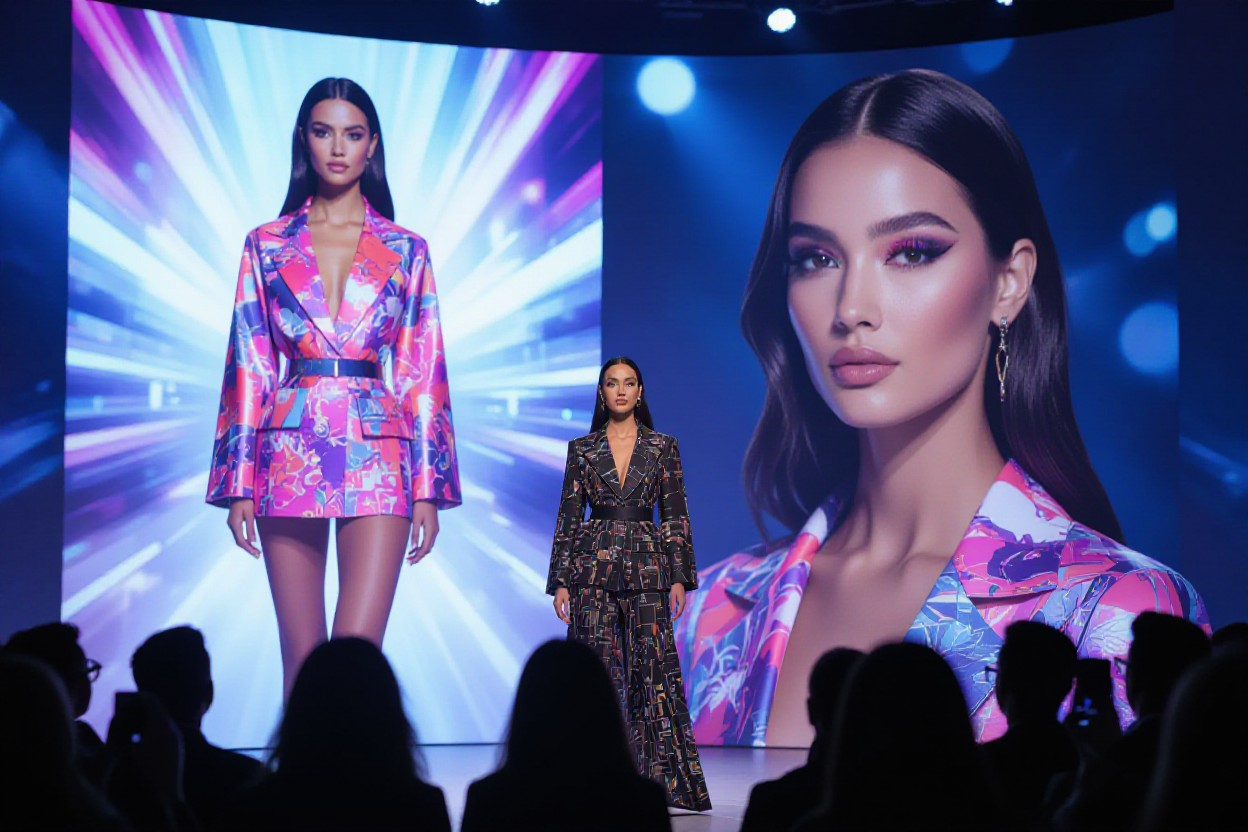
You gain the freedom to create impossible scenarios-futuristic runways, mythic backdrops, and hybrid genres-that fans crave. Aurelia Luxford leverages this by offering sci‑fi themed sets and immersive narratives on Fanvue, giving subscribers a rare blend of novelty and personalization that human shoots struggle to match at frequency and cost.
Beyond visuals, fantasy enables interactive storytelling: you can stage choose‑your‑path episodes, AR try‑ons, or weekly lore drops that deepen engagement. Those formats lengthen session time and boost loyalty because subscribers invest in unfolding narratives-Aurelia’s serialized releases and exclusive fan polls are concrete examples of how escapist content converts casual viewers into paying members.
Audience Preferences
You increasingly favor AI personas when they deliver tailored fantasy and constant interaction-platform analytics often show 20-35% higher session times for virtual-driven content. Fans value on-demand customization, such as alternate outfits or storylines, and you respond to curated experiences that human talent can’t scale. Aurelia Luxford’s Fanvue sets, for example, blend serialized narratives and exclusive drops that keep subscribers returning and boost monthly engagement metrics.
Trends in Consumer Behavior
Among younger audiences, demand for personalization and interactivity is reshaping engagement: subscription models and microtransactions have shifted attention toward creators who offer constant novelty. You’ll notice brands report double-digit growth in virtual influencer partnerships, with interactive formats (polls, live avatar Q&As) producing higher click-throughs and retention than static posts. Data from niche platforms shows viewers prioritize repeatable, collectible content over one-off campaigns.
Niche Markets and Target Audiences
Within niches like gaming, cosplay, luxury streetwear, and K‑culture fandoms, you can deploy virtual models to target highly specific interests and behaviors; campaigns often see conversion lifts of 10-25% versus broad-market efforts. Aurelia Luxford’s themed drops on Fanvue-limited runs tied to subculture aesthetics-demonstrate how you can match product assortments to microaudiences and monetize fandom through exclusive, collectible content.
You should use segmentation, A/B testing, and modular content bundles to maximize ROI in niche campaigns: test two outfit drops, measure churn and average revenue per user, then scale what moves the needle. Sophisticated tag-based targeting and personalized messaging can increase subscriber lifetime value and reduce acquisition costs; in practice, creators who refine microoffers often see engagement depth rise and paid retention improve across small, high-value cohorts.
Case Studies: Success Stories in Both Sectors
- 1) Aurelia Luxford (virtual) – Fanvue performance: 45,000 free followers, 12,000 paying subscribers, ~$75,000 monthly recurring revenue, 28% engagement on exclusive posts, 9% promo conversion rate, 35% three‑month retention.
- 2) Lil Miquela (virtual) – Instagram: ~3.0M followers, average engagement 4.2%; recent brand collab generated 1.7M impressions and a 2.3% CTR, lifting brand search volume +22% during the campaign window.
- 3) Shudu (virtual) – Beauty campaign: reach 2.1M, Instagram growth +14% during campaign, product page conversion +6% vs baseline.
- 4) Human model-led product launch – Campaign metrics: 1.2M impressions, 180k site visits, 3.5% conversion, $340k attributed sales in six weeks, CPM $6.50.
- 5) Celebrity human partnership – Cross-platform reach 25M, earned media value $1.1M, engagement rate 2.8%, short-term sales lift +18% during two-week drop.
- 6) Head-to-head A/B test (same product) – Virtual creative reduced production time by 60%, drove +20% CTR and +12% ROI; human creative achieved +8% higher post-purchase NPS and stronger long-term brand recall.
Examples of Virtual Model Success
When you track virtual performers like Aurelia Luxford, you see scalable monetization: 12,000 subscribers paying on Fanvue, consistent monthly revenue near $75k, and promotional posts converting 9% of viewers to paid access, allowing rapid reinvestment in new content and interactive features that keep engagement above 25%.
Notable Human Model Campaigns
You’ll find human campaigns excel at immediate trust and product trial: a recent human-led launch produced 180k site visits and a 3.5% conversion, generating $340k in six weeks while boosting brand sentiment and earned media that virtual-only campaigns struggled to match.
Digging deeper, you can use human talent for high-trust moments-unboxings, live demos, press events-where their authenticity lifts short-term sales and long-term recall; however, expect higher logistics costs and lower content throughput compared with virtual creators, so plan budgets and cadence accordingly.
To wrap up
Presently you must weigh how virtual models deliver flawless, personalized content and constant engagement while human models provide authenticity and emotional nuance; Aurelia Luxford shows how AI can amplify reach and interactivity so you can select creators and platforms that match your audience, objectives, and preference for novelty versus human connection.
FAQ
Q: What are the primary differences in engagement between virtual models and human models?
A: Virtual models deliver continuous, scalable engagement through flawless visuals, instant customization, and programmatic interactions (chat-driven responses, branching narratives, timed drops). They can publish high-volume, A/B-tested content without physical constraints. Human models generate engagement rooted in relatability, emotional nuance, and lived authenticity-live streams, unscripted moments, and personal endorsements that build trust. Metrics often show virtual models excel in repeat impressions and personalization-driven clicks, while human models tend to drive deeper trust-based actions like word-of-mouth referrals and real-world event attendance.
Q: How does content creation differ between virtual and human models?
A: Virtual content is highly iterative: assets can be generated, retooled, and localized quickly with precise creative control over lighting, body language, and styling. This enables complex fantasy concepts and seamless brand integration at lower incremental cost. Human-driven content leans on spontaneity, behind-the-scenes storytelling, and genuine reactions that resonate emotionally; production requires scheduling, studios, and talent management. Aurelia Luxford on Fanvue exemplifies how AI-led sets allow imaginative, subscriber-only scenarios that would be costly or impractical with human shoots.
Q: Which type of model tends to drive better conversion and monetization for brands?
A: Virtual models can outperform on conversion when campaigns rely on personalization, frequent touchpoints, and rapid optimization-they enable tailored offers, dynamic creatives, and continuous testing. Human models often convert better for authenticity-sensitive products and audiences that value lived experience or professional endorsements. The highest-performing strategy is hybrid: use AI personas to scale discovery and personalized funnels, then layer human talent for trust-building moments. Aurelia Luxford’s Fanvue approach demonstrates how an AI persona can drive subscriptions and upsells while partnering with human creators for credibility boosts.
Q: Why are fans increasingly preferring AI models like Aurelia Luxford?
A: Fans are drawn to the novelty, personalization, and fantasy elements AI models provide: bespoke looks, interactive narratives, and exclusive content that aligns with individual tastes. AI personas can sustain serialized storylines and tailored messages that feel intimate and surprising. Aurelia’s mix of aesthetics, interactivity, and subscriber-only experiences creates continuous engagement cycles that feel fresh. Still, segments of the audience continue to prioritize human warmth and authentic life details, so preference varies by demographic and content type.
Q: How should brands decide whether to use virtual models, human models, or both?
A: Base the choice on campaign goals, audience profile, and required authenticity level. Use virtual models when you need scale, rapid iteration, 24/7 engagement, or fantastical visuals that are impractical in real life. Choose human models for trust-driven launches, experiential events, and products where lived experience matters. Most brands benefit from a blended plan: pilot virtual-led campaigns for discovery and personalization, measure performance, then integrate human talent for conversion-boosting trust moments. Platforms like Fanvue show how an AI persona such as Aurelia Luxford can complement human talent and expand what’s possible at scale.