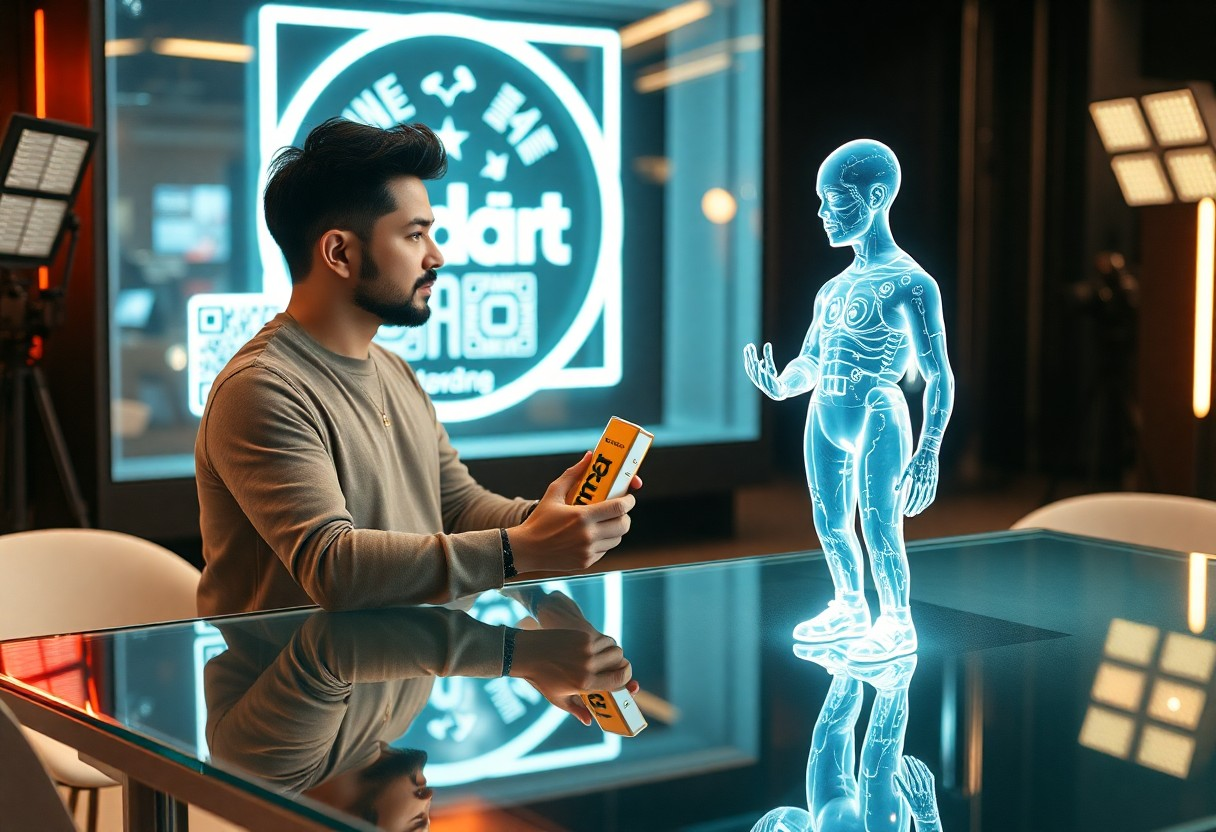
There’s a strategic shift underway as virtual avatars gain prominence in the metaverse, and you must evaluate how authenticity, audience trust, scalability, personalization, and regulatory transparency influence brand outcomes; understanding these dynamics lets you determine when avatars outperform human endorsers and when human presence remains indispensable.
Key Takeaways:
- Avatars offer scalable, personalized and immersive brand experiences that can run continuously and be precisely targeted.
- Consumer trust and perceived authenticity still favor human endorsers for many purchase decisions and emotionally driven categories.
- Regulatory, ethical and IP concerns around deepfakes, disclosure and consent will limit unchecked avatar substitution.
- Avatars are cost-effective at scale and enable detailed analytics, but require significant upfront investment and ongoing maintenance.
- A hybrid model is most likely: virtual avatars for reach and experimentation, human endorsers for credibility and cultural resonance.
Historical Context of Endorsements
Evolution from celebrity spokespeople to influencers
You’ve watched endorsements move from TV-era celebrity spokespeople-Michael Jordan’s Air Jordan partnership from 1984 typifies that era-to digitally native influencers after Instagram launched in 2010. Brands shifted budgets as influencer marketing scaled from roughly $8 billion in 2019 to over $16 billion by 2022, favoring micro-influencers with niche audiences and measurable engagement. As a marketer you now prioritize authenticity metrics, audience demographics, and CPMs over star power alone.

Early virtual influencers and avatar experiments
By 2016 virtual personalities like Lil Miquela began testing that new playbook; Miquela amassed about 3 million followers and secured brand collaborations while remaining CGI. Earlier precedents include Hatsune Miku (2007), a Vocaloid virtual singer who sold out arena shows, and Shudu (2017), a digital supermodel featured in fashion editorials. You’ve also seen K/DA (League of Legends, 2018) fuse gaming IP with pop music to reach global audiences.
Behind the scenes you should note studios now use CGI, motion capture, and real-time engines such as Unreal to iterate avatars rapidly, enabling asset reuse across campaigns and lowering logistical costs. The FTC’s endorsement guidelines apply to paid virtual posts, and debates over disclosure, representation, and authenticity have shaped platform policies and PR strategies you’ll need to navigate when deploying avatars.
Technology Enabling Avatar Endorsements
You increasingly depend on low-latency 5G (<10 ms) and cloud GPUs (NVIDIA A100, RTX 40-series) to stream photo-real avatars, while engines like Unreal Engine 5 (Lumen/Nanite) and platforms such as NVIDIA Omniverse handle lighting, physics and asset sync. You also see generative AI (GPT-4, diffusion models) produce scripts, synthetic voices and visuals at scale, enabling endorsements that update dynamically across sessions and regional markets without redeploying human talent.

Real-time graphics, AI-driven behavior, and personalization
You get real-time fidelity from UE5 and ray-traced clients running 60-120 fps, while AI-driven motion and lip-sync-examples include Facebook Reality Labs’ Codec Avatars research and Replica Studios’ voice agents-generate believable reactions. You can onboard users with Ready Player Me (integrated in 3,000+ apps) or photogrammetry/LiDAR scans for personalized avatars, and behavioral models tailor endorsements by region, purchase history and micro-moment data in milliseconds.
Interoperability and standards across metaverse platforms
You rely on OpenXR (1.0 in 2021) for cross-VR/AR runtime support, glTF as the “JPEG for 3D” for web delivery, and Pixar’s USD via Omniverse for high‑fidelity pipelines. You also see ERC-721/1155 drive ownership of virtual goods in Decentraland and The Sandbox, while W3C DIDs and Verifiable Credentials promise portable identity that lets brand endorsements follow users between worlds.
You must reconcile asset formats, identity and commerce: glTF is optimized for runtime web use, USD handles layered scene composition, and OpenXR binds input/viewport semantics across headsets and engines (Unity/Unreal). You can already port a wearable as an ERC-1155 token between marketplaces, but syncing state, permissions and appearance requires middleware, bridges and governance-hence Khronos, W3C and decentralized identity groups coordinating specs to reduce fragmentation.
Consumer Perception & Trust
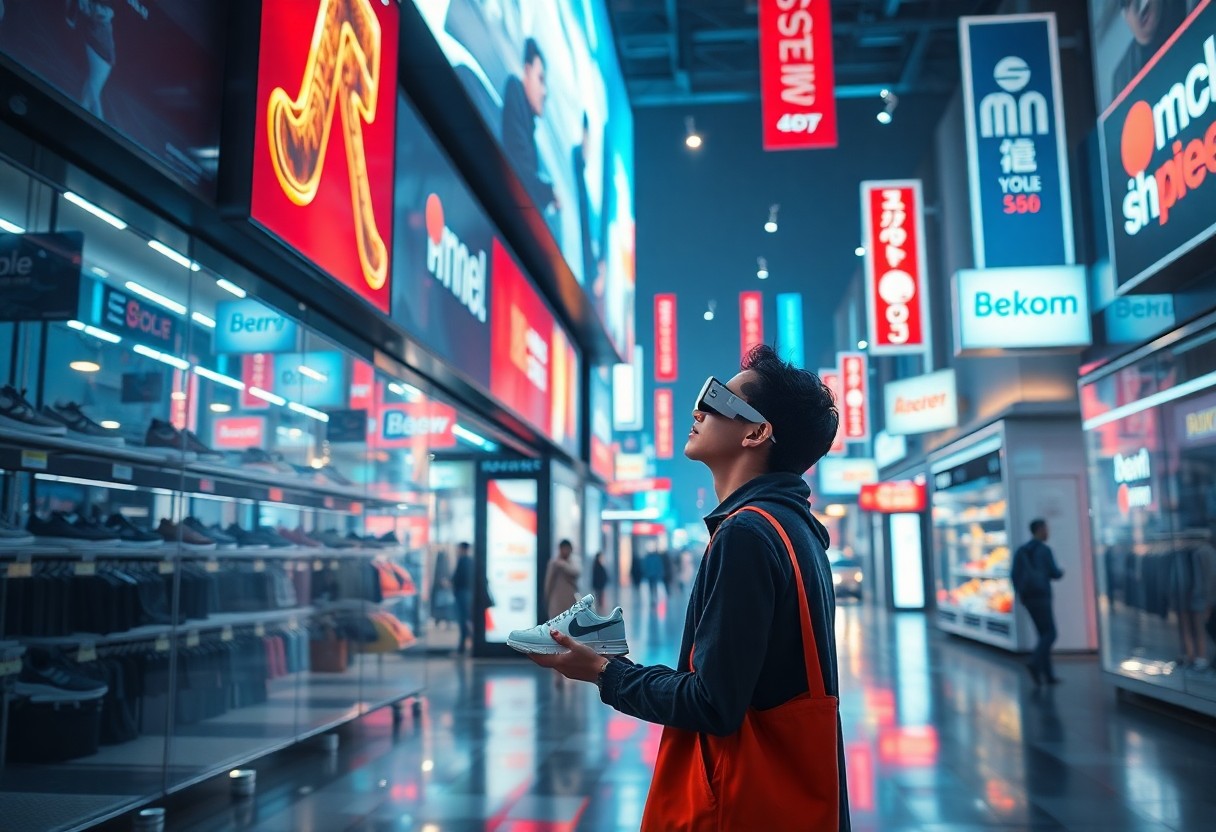
As you judge endorsements in the metaverse, trust hinges on perceived intent and transparency: avatars that disclose sponsorships and mimic human nuance often outperform opaque ones. You notice higher engagement when brands combine avatars with real creators-for example, campaigns pairing Lil Miquela-style virtual influencers with behind-the-scenes human teams-because that blend reduces skepticism while preserving novelty. Expect scrutiny around data use and disclosure to shape whether you accept an avatar’s recommendation.

Authenticity, anthropomorphism, and parasocial bonds
You form stronger parasocial bonds when avatars show consistent personality cues, like tailored replies or humor; studies of virtual influencers show that narrative continuity and anthropomorphic facial micro-expressions drive engagement. Brands that lean into stylized characters (e.g., Shudu) can benefit from aspirational distance, while photorealistic avatars risk uncanny-valley backlash unless you see clear ethical disclosure and human oversight.
Demographic and cultural differences in acceptance
Younger, digitally native audiences-Gen Z and younger millennials-are more willing to accept avatar endorsements, especially on platforms with high daily active users like Roblox (60+ million DAU) and TikTok. Conversely, older cohorts demand more provenance and tend to trust human spokespeople for high-stakes purchases; cultural context further shifts acceptance based on local norms around intimacy with media personas.
In East Asia you often encounter greater acceptance: virtual idols like Hatsune Miku have headlined large concerts and helped normalize digital performers, while K‑pop’s experimentations with virtual members (for example, companies integrating avatars into fandom experiences) show strong commercial viability. By contrast, European markets emphasize privacy and clear disclosure under GDPR norms, which makes hyper-personalized avatar endorsements less pervasive, and Latin American audiences vary widely with youth uptake concentrated in urban centers.
Commercial and Brand Implications
You’ll see budgets shift as virtual avatars let you monetize digital scarcity and community-driven drops; Nike’s 2021 acquisition of RTFKT signaled a major play for owned virtual goods, while virtual influencers like Lil Miquela have driven multi-million engagement campaigns. Virtual concerts (Travis Scott in Fortnite reached ~12.3 million players) show how you can scale reach without venue logistics, pushing ROI models toward lifetime digital-asset revenue and secondary-market royalties.
Scalability, targeting, and cost-efficiency
Across markets you can spin up avatar variants for regional tastes and run rapid A/B tests on outfits, dialogue, and behavior without travel or repeated talent fees. NFT drops such as Bored Ape Yacht Club (10,000 mints at launch) demonstrate demand velocity; that elasticity lets you serve millions, reduce per-conversion spend, and reallocate budgets from appearances to owned-content production and platform activation.
Creative control, IP, and co-creation opportunities
Owning avatar IP gives you tighter creative control-setting voice, usage rules, and brand-safe behavior across platforms-while enabling co-creation with communities through limited skins or user-generated content. Examples include Nike/RTFKT and Adidas NFT collaborations that tie digital ownership to physical utility, and many marketplaces support built-in royalties (commonly 5-10%) so your brand earns on secondary sales.
Negotiate explicit IP assignment and license scopes so you control exclusivity, duration, geography, and interoperability between metaverses; define revenue splits for co-created assets and codify NFT royalty rates. Also require warranties about training data and indemnities for infringement, and consider 3-5 year review windows to preserve flexibility as platforms and standards evolve.
Legal, Ethical, and Safety Challenges
As virtual avatars scale, you face a tangle of law and ethics: GDPR fines up to €20 million or 4% of global turnover apply to biometric misuse, while the EU AI Act and a patchwork of U.S. state laws are racing to define misuse and transparency. Real cases-Clearview AI enforcement and the 2019 synthetic‑voice fraud that authorized a €220,000 transfer-show regulators and courts are already testing liability for platforms and brands.
Deepfakes, misinformation, and regulatory gaps
Deepfakes have practical consequences: the Obama/Peele demo and manipulated Pelosi footage shifted public perception, and the 2019 CEO voice scam proved financial risk. You’ll find detection tools chasing generative models, watermarking proposals from industry, and uneven legal cover: the U.S. lacks a comprehensive federal deepfake law while the EU and some states impose targeted restrictions, leaving misinformation to exploit regulatory blind spots.
Privacy, consent, and liability considerations
Biometric likenesses, voiceprints, and behavior traces count as personal data; under GDPR biometric data is a special category often requiring explicit consent and a DPIA. If you capture faces or voices for avatars, you must design opt‑in flows, minimize retained templates, and clarify controller/processor roles-otherwise you risk fines, takedowns, and costly litigation.
Operational steps you should take include granular, auditable opt‑ins for each use case, mandatory DPIAs for high‑risk avatar systems, and pseudonymization of biometric templates. Store data in encrypted enclaves, log access for audits, mandate indemnities and cyber insurance in vendor contracts, and build rapid takedown and remediation playbooks-regulators have ordered deletion of scraped datasets in multiple Clearview‑era rulings, and enforcement expectations are rising.
Measurement, Business Models, and Market Outlook
Metrics for effectiveness, attribution, and valuation
You should combine engagement metrics (CTR, time-in-experience, avatar interaction depth) with commercial KPIs (conversion lift, CAC, ARPU) and brand measures (ad recall, favorability). Use randomized incrementality tests and multi-touch attribution to isolate avatar impact; pilots often report 2-12% conversion uplifts versus static ads. Also track on-chain provenance and secondary-market activity to value owned avatar assets, since resale volume and royalty flows provide hard signals of long-term brand equity.
Revenue models: licensing, subscriptions, and tokenization
You can monetize avatars through one-off licensing fees or ongoing revenue shares, fan subscriptions for exclusive drops, and tokenization via NFTs and utility tokens. Expect six-figure brand deals for top avatars, NFT marketplaces to enable upfront sales plus 2.5-10% royalties, and subscription ARPU ranging from a few dollars to $20+/month depending on exclusivity. Beeple’s $69M sale remains the emblematic example of token-driven value capture.
Licensing is typically structured as fixed fees or performance-based splits-brands pay upfront for campaign rights or share a percentage of sales; you should negotiate territory, duration, and derivative rights. Subscriptions scale with community: tiered access, monthly drops, and gated experiences drive predictable recurring revenue and higher LTV. Tokenization lets you capture primary sale revenue and automated secondary royalties via smart contracts, while fractionalization and staking models let you sell liquidity without relinquishing control; platforms commonly split creator proceeds in the 50-70% range, so model margins accordingly.
Summing up
From above you should view virtual avatars as transformative forces that will complement rather than fully replace human endorsements; you will rely on avatars for scale, personalization, and cost-efficiency while your preference for human authenticity, emotion, and trust will preserve celebrity and influencer value, prompting hybrid strategies, stricter governance, and shifting metrics of engagement that you must monitor to optimize brand impact in the metaverse.
FAQ
Q: Will virtual avatars replace human endorsements entirely in the metaverse?
A: No – full replacement is unlikely. Virtual avatars excel at scale, 24/7 interactivity, precise personalization and risk-controlled messaging, so they will dominate some categories (gaming, virtual goods, immersive product demos). Human endorsers will remain important where emotional authenticity, lived experience, moral authority or spontaneous public visibility matter. Expect coexistence and task-based allocation rather than total substitution.
Q: What advantages do virtual avatars offer brands operating in the metaverse?
A: Avatars offer consistent brand presentation, extreme customization, real-time data-driven personalization, lower marginal costs after creation, and safe testing environments for messaging. They can deliver interactive experiences, integrate with commerce flows and be rapidly adapted for campaigns, regions or user segments. These benefits speed experimentation and scale while reducing dependence on individual talent schedules and reputational volatility.
Q: What trust and authenticity problems could block avatar-driven endorsements?
A: Key issues include deepfake anxieties, emotional flatness, cultural missteps, and user suspicion if endorsement provenance is opaque. Avatars that simulate real people create legal and ethical concerns about consent and likeness. To overcome this, brands must disclose synthetic status, provide verifiable provenance, tune expressive behavior to cultural contexts, and often include human oversight or co-endorsement to maintain credibility.
Q: How will regulation and platform policy shape the balance between avatars and human endorsers?
A: Expect regulations and platform rules requiring clear disclosure when content is synthetic or algorithmically generated, plus tighter controls on likeness rights, data use and deceptive advertising. Jurisdictions will adopt advertising standards for metaverse experiences, and platforms will create certification or label systems. These rules will increase compliance costs for avatar campaigns and favor transparent hybrid approaches that blend synthetic assets with accountable human representation.
Q: What hybrid strategies should brands use when choosing between avatars and human endorsers?
A: Use avatars for scalable personalization, routine engagement, virtual product trials and A/B testing; deploy humans for trust-building launches, crisis responses, social causes and high-stakes credibility. Combine both by pairing human spokespeople with branded avatars, using avatars to amplify human-led content, and testing audience segments to inform allocation. Measure outcomes by engagement, conversion, sentiment and legal risk, and iterate quickly based on performance and feedback.
Comments
4 responses
[…] you weigh virtual against human talent, consider availability, customization, and limits: virtual models operate 24/7, can wear […]
[…] now seeing virtual models move beyond static CGI into photorealistic avatars driven by GANs, physics-based rendering, Unreal Engine real‑time scenes, and motion capture; […]
[…] Luxford demonstrates AI potential through interactive sets, exclusive fashion campaigns, and virtual lifestyle experiences while coexisting with human […]
[…] Aurelia’s case you witness a full-scale example of virtual luxury on Fanvue: two-to-four monthly couture drops, tiered subscriber access, and bespoke virtual environments that […]