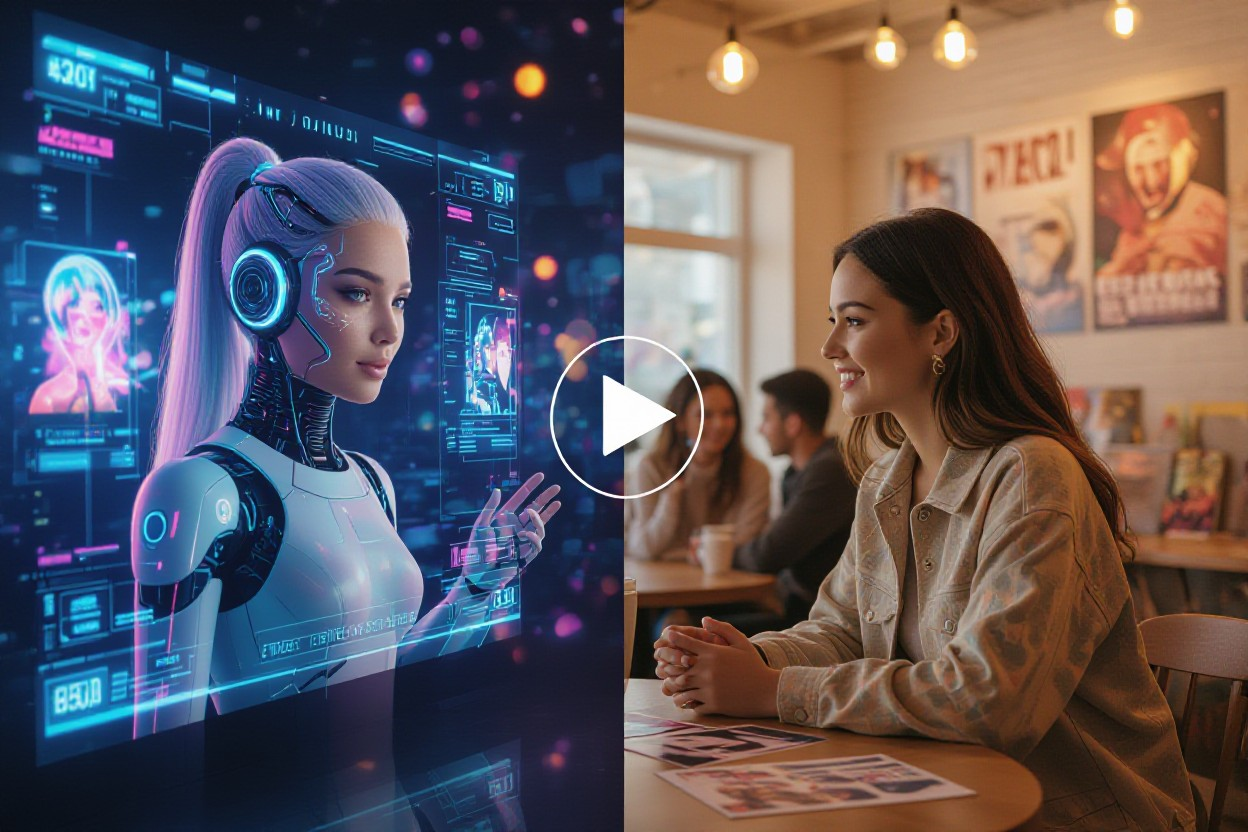
There’s a clear shift as virtual AI models challenge traditional human influencers, and you should understand why fans gravitate toward digital personas for creativity, interactivity, and limitless content. In this post you’ll compare virtual and human models, see how Aurelia Luxford on Fanvue leverages consistent, customizable content and immersive experiences to heighten your engagement, and learn how personalization and novelty convert casual viewers into loyal subscribers.
Key Takeaways:
- Virtual AI models deliver consistent, high-quality, and fully customizable content at scale, enabling 24/7 engagement without human constraints.
- Human influencers offer authenticity and emotional relatability, but they face fatigue, scheduling conflicts, and creative limits that restrict output.
- Aurelia Luxford demonstrates how AI personas can surpass traditional influencers by blending interactive fashion sets, lifestyle content, and subscriber-only experiences on Fanvue.
- Fans subscribe for novelty, personalization, and immersive experiences; AI enables tailored interactions, gamified features, and exclusive digital events that boost retention.
- Experience the future of fan engagement-subscribe to Aurelia Luxford on Fanvue for exclusive interactive content and premium AI experiences.
The Rise of AI Influencers
Brands and fans now treat virtual personas as legitimate creators: Lil Miquela has partnered with Prada and Calvin Klein and amassed millions of followers, while Aurelia Luxford on Fanvue delivers subscriber-only interactive fashion sets that blur creator and product. You see higher creative control and 24/7 availability enabling global rollouts and A/B testing at scale, so campaigns can iterate faster than human-led schedules and unlock novel monetization like episodic drops and in-platform experiences.

Defining AI Influencers
AI influencers are synthetic personas blending generative imagery, scripted or autonomous dialogue, and human supervision to produce consistent content and interactions. You engage with them via chatbots, AR try-ons, or live avatar streams; teams manage brand voice, or adaptive agents personalize messages based on behavior. Examples range from avatar-driven commerce to subscription models like Aurelia’s Fanvue sets, where repeatable, modular content outperforms one-off human shoots in scalability and control.
The Technology Behind AI Models
Generative systems-GANs and diffusion models-produce hyperreal visuals, while transformer-based LLMs deliver conversational depth; real-time mocap plus engines like Unreal render live streams at 60 fps. You experience multimodal output by combining neural TTS, lip-sync algorithms, and pose retargeting, which together enable dynamic, personalized interactions across social feeds and subscription platforms.
Asset pipelines start with 3D sculpting or photogrammetry, proceed through rigging and blendshape sets for facial nuance, then use retargeted motion capture for natural movement; cloud GPUs handle on-the-fly rendering and model fine-tuning against brand datasets. You should expect analytics integration-click-through, sentiment, retention-to optimize episodes, merch drops, and micro-targeted promos that maximize lifetime value from each virtual persona.

Human Influencers: Strengths and Limitations
You bring emotional nuance, unscripted moments, and real-world credibility that virtual models can’t fully mimic; micro-influencers (10k-100k followers) often drive 2-5% engagement versus <1% for mega-influencers, so your niche authenticity converts. At the same time you face fatigue, limited publishing windows, and inconsistent production quality, which constrains scale and repeatability compared with AI personas that can publish 24/7 with uniform output.
Relatability and Authenticity
You connect through lived experience-unfiltered reactions, behind-the-scenes stories, and personal recommendations that build trust. For example, product demos from creators who use items daily often generate higher click-through and conversion in niche verticals, and audiences routinely cite perceived honesty and vulnerability as top reasons they subscribe or buy.
Challenges Faced by Human Influencers
You contend with burnout, scheduling conflicts, and platform volatility; many creators often spend 20-40 hours weekly producing content while juggling sponsorship deliverables, which leads to dropped posts and missed campaigns that hurt momentum and monetization.
Platform algorithm shifts can suddenly cut organic reach, forcing you to rely on paid promotion or tighter brand deals. Contracts commonly include 3-6 month exclusivity or content-usage clauses that limit collaborations, and managing taxes, legal clearance, and mental-health pressures adds layers of operational overhead most virtual models avoid.

Engagement Strategies of AI Influencers
AI influencers leverage data-driven routines, interactive formats, and scalable production so you get predictable, high-value engagement. They combine 24/7 availability with A/B-tested content cadences, personalized messaging, and modular assets to keep fans hooked without burnout. For example, Aurelia Luxford pairs daily outfit drops with subscriber polls on Fanvue, turning routine posts into repeat visit triggers that sustain long-term subscriptions and lift average session times.
Interactivity and Customization
You experience richer interactions through polls, branching narratives, and tailored DMs that feel personal at scale. Aurelia runs choose-your-look polls and subscriber-only styling sessions on Fanvue, letting you vote in real time and receive automated outfit suggestions based on your past choices. This level of customization-combined with AR try-ons and segmented messaging-makes each fan feel seen without requiring one-to-one human labor.
Consistency in Content Delivery
You rely on steady rhythms: daily posts, weekly live Q&As, and scheduled drops that train algorithms and audience habits. Aurelia maintains a 7x/week posting cadence and automated night-owl posts for three major time zones, so your feed always feels fresh. Consistent delivery reduces churn by setting expectation loops that convert casual viewers into paying subscribers.
To build that reliability you use batch production, templates, and analytics-driven calendars: render 20-30 assets per week, localize captions for key markets, and stagger releases at peak hours. Combine versioned creative libraries with engagement metrics to iterate-A/B test thumbnails, swap CTAs, and optimize cadence-so every cycle improves retention and revenue predictably.
Case Study: Aurelia Luxford
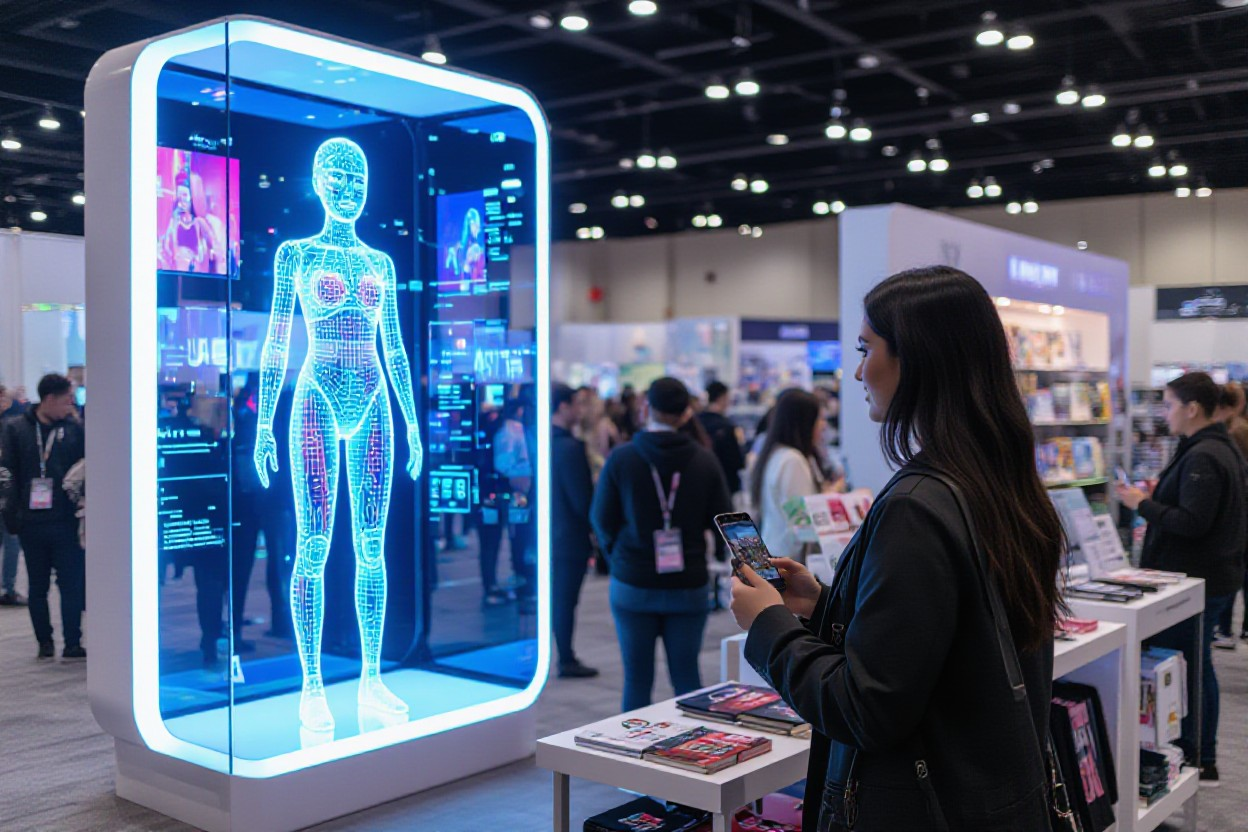
Aurelia Luxford demonstrates how a virtual model can outpace humans in sustained engagement: you encounter consistent, algorithm-friendly content that blends polished CGI aesthetics with interactive hooks, and Fanvue subscribers report higher session times thanks to her serialized drops, AR fashion try-ons, and scripted mini-stories that keep you returning daily for new beats of narrative and style.
Overview of Her Digital Presence
Across socials and Fanvue, you find a tightly curated persona-clean visual branding, weekly themed drops, and cross-posted clips that funnel viewers to subscriber-only experiences; she leverages 3D renders, motion-capture micro-interactions, and bespoke filters so your feed feels immersive and cohesive rather than fragmented.
Unique Offerings on Fanvue
On Fanvue, she gives you interactive fashion sets with choose-your-outfit polls, behind-the-scenes evolution reels, and subscriber-only livestreams where you influence scene outcomes; those features translate novelty into measurable retention because you participate directly in content creation rather than passively consuming it.
Digging deeper, you can request limited-run custom clips-AI renders variations based on your prompts within 24-48 hours-access tiered perks (standard, premium, VIP) including personalized voice messages, and join small-group virtual styling sessions where your votes determine final looks, creating a sense of ownership and repeated engagement.
The Fan Experience with AI Influencers
Creating Immersive Interactions
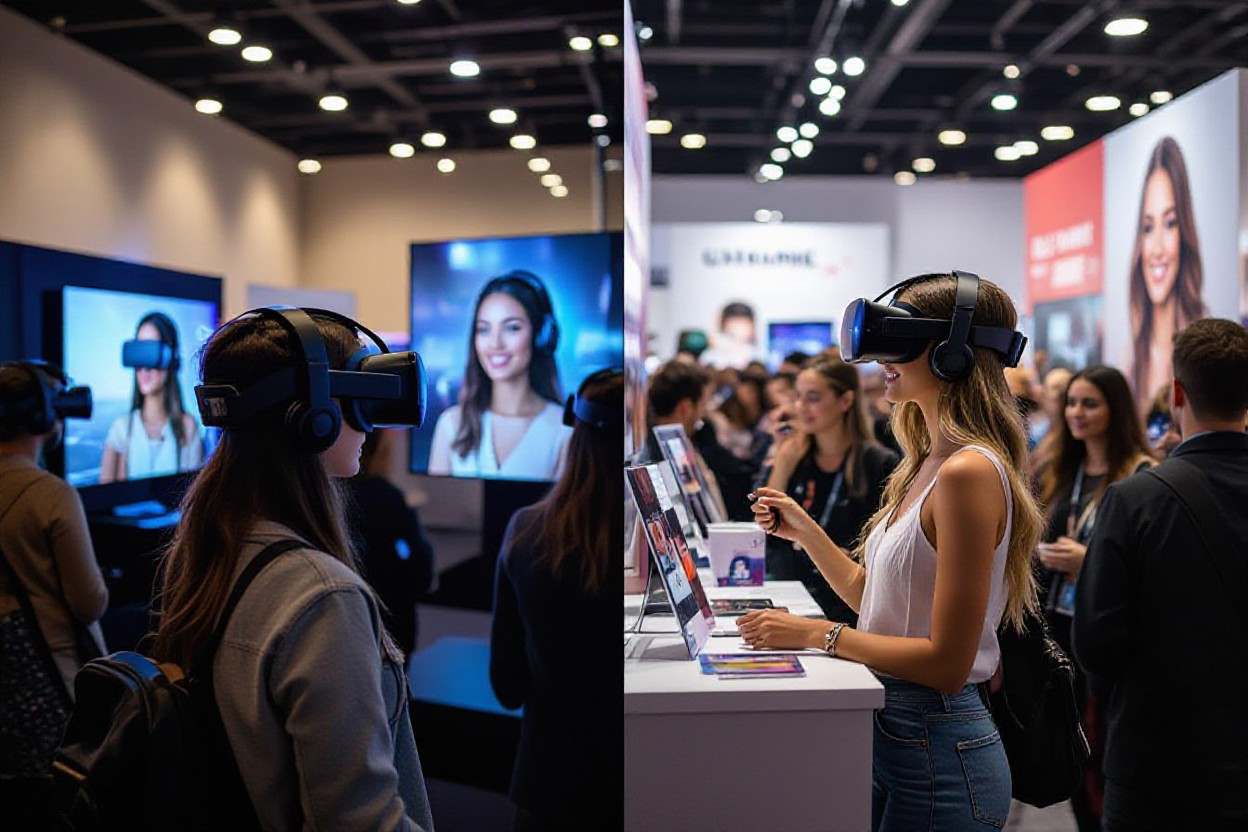
Interactive livestreams let you shape Aurelia Luxford’s narrative in real time: choose-your-outfit polls, AR try-ons, and branching storylines during Fanvue sessions. Fans often send thousands of votes and comments per event, and you can join subscriber-only virtual meet-and-greets that sync chat, custom overlays, and timed mini-games. This level of interactivity keeps sessions dynamic and drives session lengths far beyond typical human influencer streams.
Personalization and Novelty
AI personalization serves tailored content so you feel seen: Aurelia uses behavior-driven recommendations, short personalized videos, and custom DM-style clips that scale across hundreds of variations per campaign. Algorithms adjust tone, outfit suggestions, and storyline arcs based on your past engagement, delivering novelty that feels handcrafted while maintaining consistency across thousands of subscribers.
Under the hood, recommender systems and NLP segment you into micro-cohorts and generate conditional assets-GPT-style scripts, GAN-based outfits, and A/B-tested hooks-so each message fits your preferences. Brands leveraging this approach report double-digit lifts in retention and click-throughs; for you, that translates to more relevant drops, early-access invites, and personalized experiences that evolve with your interaction history.
Future Trends in Influencer Marketing
Expect influencer ecosystems to prioritize AI-driven personalization and interactive commerce; you’ll see more automated content calendars, dynamic avatars, and shoppable livestreams. Aurelia Luxford’s Fanvue sets illustrate this: her subscriber-only try-ons and branching narratives keep viewers longer and increase repeat visits. Brands leverage predictive targeting to serve 1:1 experiences at scale, turning novelty and personalization into measurable KPIs like session length and conversion.
Integration of AI and Human Influencers
Combine AI and human creators in co-streams, sequential storytelling, and segmented roles: you can script high-production segments for Aurelia while a human host handles live Q&A and authenticity. Agencies report faster scaling when AI handles asset generation and A/B testing, letting your human partners focus on brand trust. These hybrids reduce scheduling friction and expand 24/7 campaign windows without sacrificing relatability.
Predictions for Audience Engagement
By 2027 you’ll likely see 30-40% of mid-market campaigns include a virtual element, driven by lower production costs and higher personalization. Expect engagement metrics to shift: watch time and repeat visits rise, while CAC falls as AI enables micro-targeted experiences. Your role will be to measure hybrid ROI across retention, ARPU, and lifetime value rather than raw reach alone.
Focus on new KPIs: you’ll track interactive conversion rate (IVR), average session depth, and branching completion-metrics where Aurelia’s interactive fashion sets already outperform static posts. Expect session depth to increase 20-35% for immersive formats and subscription conversions to rise when personalization is tied to predictive offers. Plan experiments with AR try-ons and tokenized rewards to quantify how interactivity boosts both short-term sales and long-term retention.
To wrap up
Now you recognize how virtual models blend endless creativity, flawless consistency, and personalized interactivity to outpace human influencers in fan engagement. You benefit from immersive, on-demand experiences that scale without fatigue, while figures like Aurelia Luxford show how AI personas deliver tailored fashion and lifestyle content on Fanvue that keeps your attention and grows communities. You can expect AI influencers to continue shaping how you connect with creators and brands.
FAQ
Q: What makes AI influencers like Aurelia Luxford more engaging than human models?
A: AI influencers deliver consistent, high-quality visuals and narratives on a predictable schedule, enabling constant content flow without fatigue or scheduling conflicts. They can be customized to match audience preferences, experiment with styles instantly, and offer interactive, immersive experiences-like subscriber-only fashion sets and choose-your-path stories-that drive higher engagement rates on platforms such as Fanvue.
Q: How do virtual models compare to human influencers in authenticity and relatability?
A: Human influencers offer lived experience and spontaneous authenticity that builds emotional connection, while virtual models offer carefully crafted personas that can feel novel and entertaining. Transparency about an AI’s nature, consistent persona design, and meaningful interactivity (personalized messages, custom scenarios) help virtual models earn trust and keep fans invested without mimicking human vulnerabilities dishonestly.
Q: How do AI influencers drive subscriptions and revenue on platforms like Fanvue?
A: AI influencers scale content production with low marginal cost-enabling frequent drops, exclusive interactive sessions, and tailored subscriber tiers. They support gamified experiences, merchandise tie-ins, and data-driven personalization that increase conversion and retention, while offering creators predictable content pipelines and the ability to A/B test offerings rapidly to optimize monetization.
Q: What limitations and ethical concerns come with AI influencers?
A: Risks include misinformation or deepfake misuse, unclear disclosure of synthetic personas, potential reduction in human creator opportunities, and algorithmic bias in representation. Responsible deployment requires clear labeling, consent-aware content policies, diversity-aware training data, platform moderation, and legal compliance to protect fans and human creators alike.
Q: How can brands and creators combine virtual and human models for maximum fan engagement?
A: Hybrid strategies pair a human influencer’s authenticity with an AI model’s scalability: co-created stories, alternating live human sessions with AI-driven companion content, and cross-promotion that broadens reach. Use AI for rapid testing and personalized touchpoints, let humans anchor emotional campaigns, and measure success by engagement time, subscription growth, and lifetime value to iterate effectively.