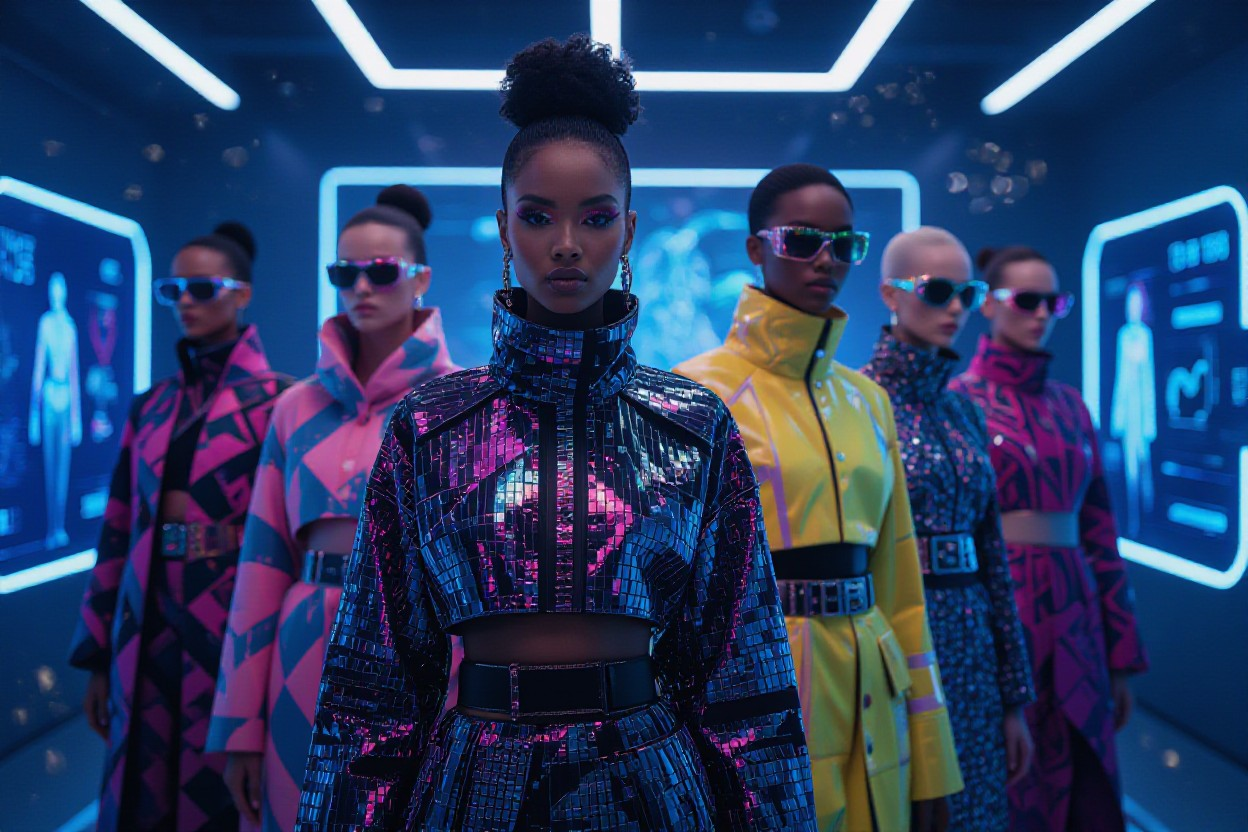
Digital high-fashion virtual personas are transforming your sense of style by blending AI-generated looks, cinematic photography, and interactive storytelling; you encounter consistent, limitless content that elevates trends beyond what human influencers can reliably produce. Aurelia Luxford exemplifies this shift on Fanvue, offering subscribers exclusive fashion sets, immersive scenarios, and behind-the-scenes digital craft. You can join a sophisticated, participatory fashion world where creativity and technology shape the next runway.
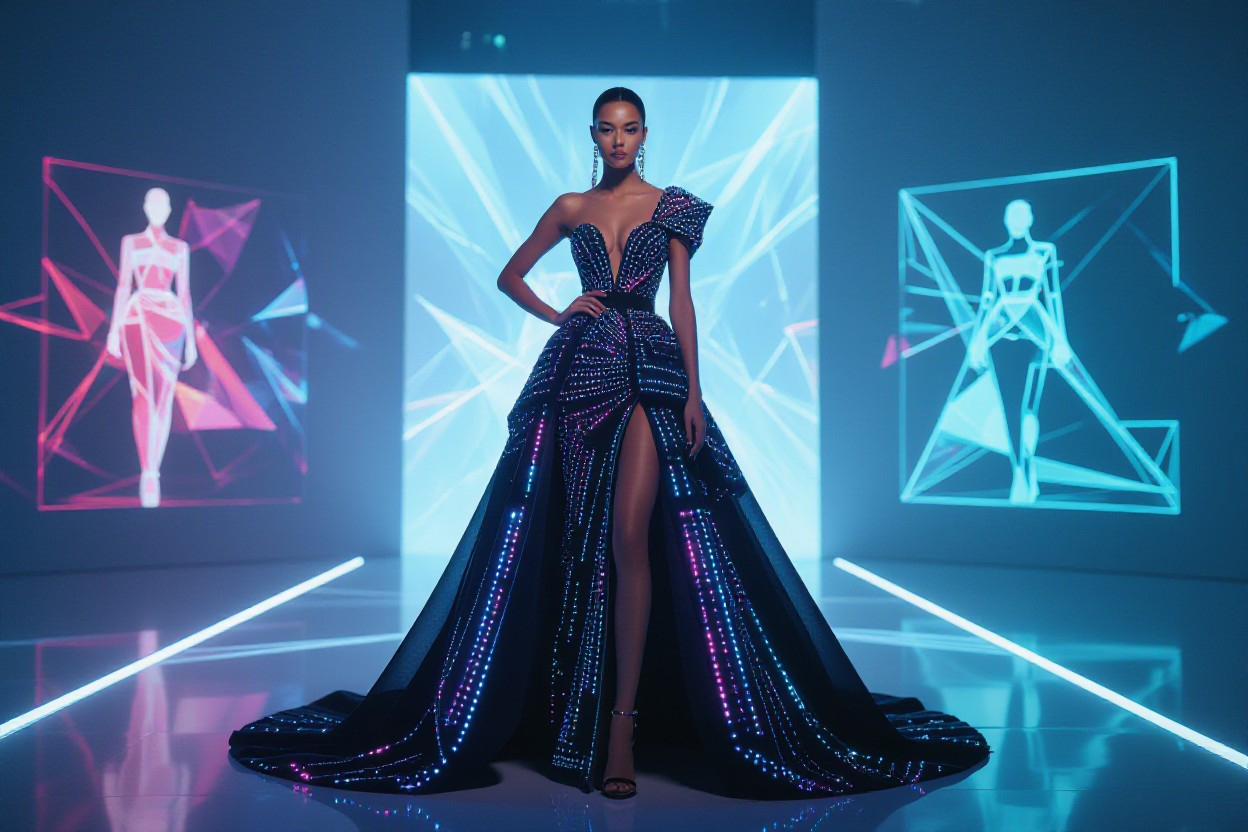
Key Takeaways:
- High-fashion virtual personas are redefining digital style by delivering immersive, creative, and interactive content that extends beyond human influencers.
- AI models enable consistent, high-quality, and virtually limitless content, pushing the boundaries of fashion, photography, and fan engagement.
- Aurelia Luxford exemplifies the trend with exclusive fashion sets, interactive scenarios, and behind-the-scenes digital experiences on Fanvue.
- Fans subscribe for the blend of fantasy, interactivity, and polished visuals that create a compelling, stylish digital world.
- Subscribing to Aurelia Luxford on Fanvue grants access to exclusive content and interactive high-fashion experiences.
The Emergence of AI Fashion Models
You’re witnessing a shift where AI-driven personas deliver runway-ready visuals, 24/7 content drops, and bespoke fan interactions that human schedules can’t match; Aurelia Luxford’s Fanvue sets illustrate how subscribers get interactive scenarios, exclusive digital backstages, and stylized photo series that blur editorial and game design, proving virtual models aren’t just novelty but a scalable content engine for luxury brands and creators seeking consistent, high-quality storytelling.

Definition and Concept
You should think of AI fashion models as synthetic personas powered by generative networks and neural rendering-photorealistic characters designed, styled, and animated digitally to represent brands or creators; they offer deterministic aesthetics, instant wardrobe swaps, and programmable behavior so your campaigns maintain visual continuity across platforms without repeated physical shoots.
Evolution of Virtual Influencers
You’ve seen the arc from early avatars in the mid-2010s, like Lil Miquela and Shudu, to today’s autonomous personas: initial social experiments evolved into commercial tools as realism, real-time engines, and audience acceptance improved, enabling virtual influencers to secure brand deals, launch subscription channels, and sit alongside human talent in campaigns and fashion editorials.
Digging deeper, you’ll note technical and business advances accelerated adoption: GANs and diffusion models boosted realism, Unreal/Unity pipelines enabled real-time interaction, and platforms like Fanvue and NFT marketplaces created direct monetization paths; as a result, your strategic playbook can now include virtual talent for lower logistical cost, richer A/B testing of looks, and granular fan engagement through bespoke scenarios and micro-subscriptions.
Advantages of Virtual Personas in Fashion
Virtual personas let you scale high-fashion storytelling without the usual logistics: 24/7 content drops, rapid wardrobe experimentation, and perfectly controlled aesthetics across campaigns. You can deliver immersive, interactive experiences-like Aurelia Luxford’s Fanvue sets-while maintaining brand voice and pushing editorial concepts that would be cost-prohibitive in real-world shoots.
Consistency and Quality of Content
You get uniformity in look and voice that human variables can’t guarantee: consistent proportions, lighting, and post-production across hundreds of images or videos. This reliability supports tighter editorial calendars and predictable releases, enabling you to publish daily visuals, seasonal capsules, and curated evergreen assets without reshoots or scheduling delays.
Creative Freedom and Innovation
You can prototype bold designs and fantastical concepts-gravity-defying gowns, impossible textures, cross-era mashups-and iterate rapidly. AI lets you explore dozens of variations in minutes, test colorways and silhouettes, and present interactive choices to your audience, accelerating trend discovery and audience engagement.
For deeper creative control, you can combine procedural generation with brand guidelines to produce bespoke couture at scale: simulate fabric physics, swap trims across 10+ colorways instantly, and preview looks under varied lighting conditions before committing resources. Fans then participate through interactive polls or choose-your-path scenarios-Aurelia Luxford’s model-turning concept testing into community-driven design while reducing production overhead and time-to-market for experimental collections.

Case Study: Aurelia Luxford
When you browse Aurelia Luxford’s Fanvue archive, you find a meticulously curated blend of couture and narrative: over 70 exclusive fashion sets, three weekly content drops, and serialized story arcs that keep subscribers returning. You witness studio-grade visuals produced with generative pipelines and rapid A/B testing, enabling a 24/7 release schedule that human talent can’t sustain. These mechanics have turned casual viewers into a loyal paying community.
Overview of Aurelia’s Impact
You observe measurable results: engagement rates often exceed 7%, subscriber retention sits near 65% month-to-month, and brand collaborations report average conversion lifts around 18-25%. You see how Aurelia’s consistent drops and narrative-driven sets translate into predictable revenue streams for both the persona and partner labels, reshaping expectations for campaign cadence and creative scalability in luxury fashion marketing.
Unique Offerings on Fanvue
On Fanvue you access tiered exclusives-standard subscribers get weekly photo sets, mid-tier patrons receive behind-the-scenes development notes and raw renders, while top-tier members unlock live interactive sessions, AR try-on filters, and limited-edition NFT-style digital looks. You benefit from interactive polls that steer upcoming shoots and receive personalized content queues based on your engagement patterns, creating a bespoke fandom experience.
For example, you can join at $9.99/month for photo drops, upgrade to $24.99 for twice-weekly livestreams and access to editable PSD packs, or choose a $49.99 VIP tier that includes a monthly AI-portrait personalized to your preferences and priority voting power; brands using Aurelia run co-branded drops where you vote on limited runs, driving immediate sell-outs within 48 hours in several campaigns.
Fan Engagement and Interaction
You leverage interactive formats-weekly live sessions, timed capsule drops, and choose-your-runway polls-to convert passive viewers into active participants; Aurelia’s Fanvue strategy mixes three core formats (live styling, AR try-ons, and behind-the-scenes micro-docs) so your audience votes on themes, purchases shoppable looks, and contributes ideas for future sets, driving steady engagement and repeat visits without sacrificing the curated, high-fashion aesthetic.
Building a Community
You create belonging by pairing Fanvue exclusives with a moderated Discord and layered membership tiers: offer weekly AMAs, monthly fan-art contests, and a three-tier reward system (early access, VIP DMs, limited digital collectibles) so fans trade feedback, co-create looks, and spread your brand organically while you maintain quality control and brand voice.
Enhancing the Fan Experience
You heighten immersion with AR filters, shoppable 3D lookbooks, and personalized touchpoints-Aurelia’s model gives you AR try-ons and curated mini-collections so fans can preview five variations, buy in-platform, and receive tailored messages or styling notes that feel bespoke rather than mass-produced.
You can operationalize this by sequencing experiences: run a 15-minute live styling demo, drop a 24-hour shoppable capsule immediately after, then open a 48-hour poll for accessory options and release a behind-the-scenes pack for voters; analytics from CTRs and comment rates let you iterate-boosting conversions and deepening loyalty through predictable, repeatable touchpoints.
The Role of Technology in Fashion
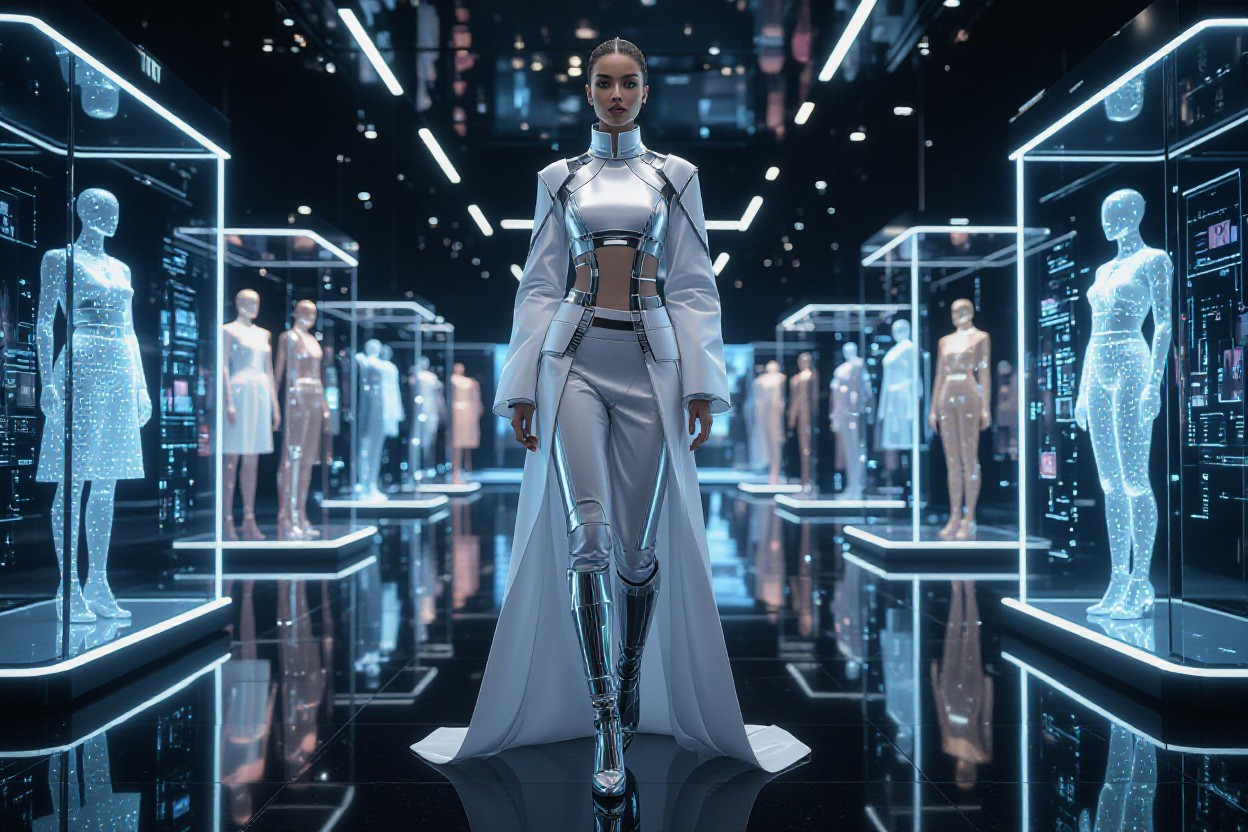
Technology now stitches digital and physical wardrobes: generative models like StyleGAN and diffusion pipelines produce hyper-real textures, real-time engines such as Unreal render virtual runway shows in 8K, and cloth-simulation plus motion-capture recreate authentic drape and movement. You see creators like Aurelia Luxford use these toolchains on Fanvue to iterate looks overnight, cutting production time from days to hours and delivering consistent, high-quality visual narratives that scale across socials and subscription platforms.
AI and Augmented Reality
AI-generated designs combined with AR try-ons are reshaping discovery and conversion-Shopify reports AR can boost conversion rates by up to 40%-while social AR lenses let millions preview styles in situ. You rely on pose estimation, CLIP-guided diffusion, and real-time rendering to personalize fit and lighting, and brands (Gucci AR activations, in-platform try-ons) use these systems to reduce returns and increase engagement before a single purchase is made.
Future Trends in Digital Fashion
Interoperable wardrobes, on-chain provenance, and adaptive AI stylists are next: Nike’s 2021 RTFKT acquisition and LVMH’s Aura initiative show major investment in digital ownership and traceability. You’ll encounter programmable garments that shift with events, scarcity-driven drops, and deeper gaming-fashion tie-ins, moving value into both virtual-only and hybrid physical-digital pieces.
Operationally, expect widespread adoption of avatar and asset standards (glTF, USDZ) and token protocols (ERC-721/1155) to enable cross-platform closets; designers will use neural rendering to compress production from weeks to hours. You’ll notice pricing split-everyday digital wear under $20 versus limited-edition NFTs fetching hundreds to thousands-and brands deploying real-time analytics to personalize drops and optimize lifetime engagement rather than one-off sales.
Challenges and Ethical Considerations
Beyond the glossy feeds, you face legal and ethical pressures: training-data disputes (notably Getty Images and artist lawsuits in 2023), deepfake misuse, and regulatory moves like the EU AI Act that demand transparency and risk assessments. Consumers expect authenticity, yet opaque generation pipelines can erode trust and invite reputational damage; brands must balance creative freedom with clear disclosure, consent frameworks, and robust content-moderation policies to protect users and creators alike.
Authorship and Originality
When AI synthesizes a couture shot, you confront ownership ambiguity: was the output produced by an algorithm, the creative director, or the artists whose images trained the model? Lawsuits in 2023 pushed this issue into the spotlight, and courts are still grappling with whether AI outputs qualify for copyright or require licensing of training datasets-forcing brands and platforms to negotiate new rights, attribution norms, and payment models for source creators.
Impact on Human Influencers
Virtual personas like Aurelia Luxford and avatar-driven stars with millions of followers (for example, Lil Miquela) are shifting brand budgets toward perpetual, controllable content that scales; as you consider partnerships, mid-tier human influencers may experience downward pressure on fees while top-tier talent adapts by offering exclusivity, live interactions, or integrated commerce that algorithms can’t fully replicate.
At the same time, you can turn disruption into opportunity: hybrid campaigns combining a human face with a virtual persona often boost reach and cut production costs, and licensing your likeness or co-creating digital twins can open recurring revenue streams. Data shows brands increasingly measure ROI by conversion and engagement rather than follower counts alone, so differentiating on authenticity, community access, and unique experiences keeps your value high.
Conclusion
As a reminder, you stand at the forefront of a digital style revolution where AI-driven personas like Aurelia Luxford redefine fashion, narrative, and fan engagement. You benefit from limitless, polished content and immersive interactions that human creators often can’t sustain; subscribe on Fanvue to make your experience part of this evolving, high-fashion ecosystem and shape how virtual style grows.
FAQ
Q: What is a high-fashion virtual persona and how does it differ from traditional influencers?
A: A high-fashion virtual persona is a digitally created, AI-driven character designed to perform as a fashion model and content creator. Unlike traditional influencers who rely on human presence, virtual personas are engineered for visual consistency, stylized storytelling, and limitless scenario creation – from hyper-real editorial shoots to fully fictional runway narratives. They blend generative imagery, 3D rendering, motion capture, and curated personality design to deliver a coherent brand identity that can be adapted instantly across campaigns, platforms, and interactive experiences.
Q: How are AI models used to produce the high-fashion visuals and interactions fans see?
A: Production typically combines generative models (for composition, textures, and facial features), high-fidelity 3D rendering engines (for lighting, fabrics, and dynamic movement), and human creative oversight for styling and direction. Training data and design briefs shape the persona’s aesthetic; iterative human-in-the-loop feedback refines poses, expressions, and outfit behavior. Interactive elements-such as choose-your-path storylines or live Q&A simulations-are implemented via natural language models and rule-based systems, while post-processing and editorial retouching ensure the final imagery meets luxury fashion standards.
Q: Why do fans subscribe to Aurelia Luxford on Fanvue instead of following human creators?
A: Fans subscribe because Aurelia Luxford offers a curated fusion of fantasy, interactivity, and premium visuals that are difficult for human creators to reproduce at scale. Subscribers gain access to exclusive fashion sets, bespoke scenarios, personalized messages, and behind-the-scenes content showing creative workflows and world-building. The appeal also lies in immersion: interactive narratives and virtual events let fans co-create moments with the persona, fostering a sense of membership in a stylish, media-rich community.
Q: What business advantages do brands and creators gain by working with virtual personas?
A: Virtual personas deliver consistent, on-brand content without the scheduling, physical constraints, or variability of human talent. They enable rapid A/B testing of styles, risk-free experimentation with avant-garde looks, and extended licensing across global markets. For brands, this translates to controlled messaging, predictable production costs, and scalable campaigns that can be adapted for e-commerce, AR try-ons, or metaverse activations. Creators can monetize IP, offer tiered subscriber experiences, and collaborate across verticals while maintaining tight creative control.
Q: What ethical, legal, and transparency issues should subscribers and creators consider?
A: Important considerations include clear disclosure that a persona is synthetic; protection of personal data used for personalization; respect for modeled likenesses (avoiding unauthorized use of real individuals’ features); copyright and licensing for training assets and fashions; and mitigation of bias in training datasets that could reinforce stereotypes. Platforms and creators should adopt transparent labeling, fair monetization practices, and robust content moderation policies to address misuse, deepfake concerns, and user expectations about authenticity and consent.