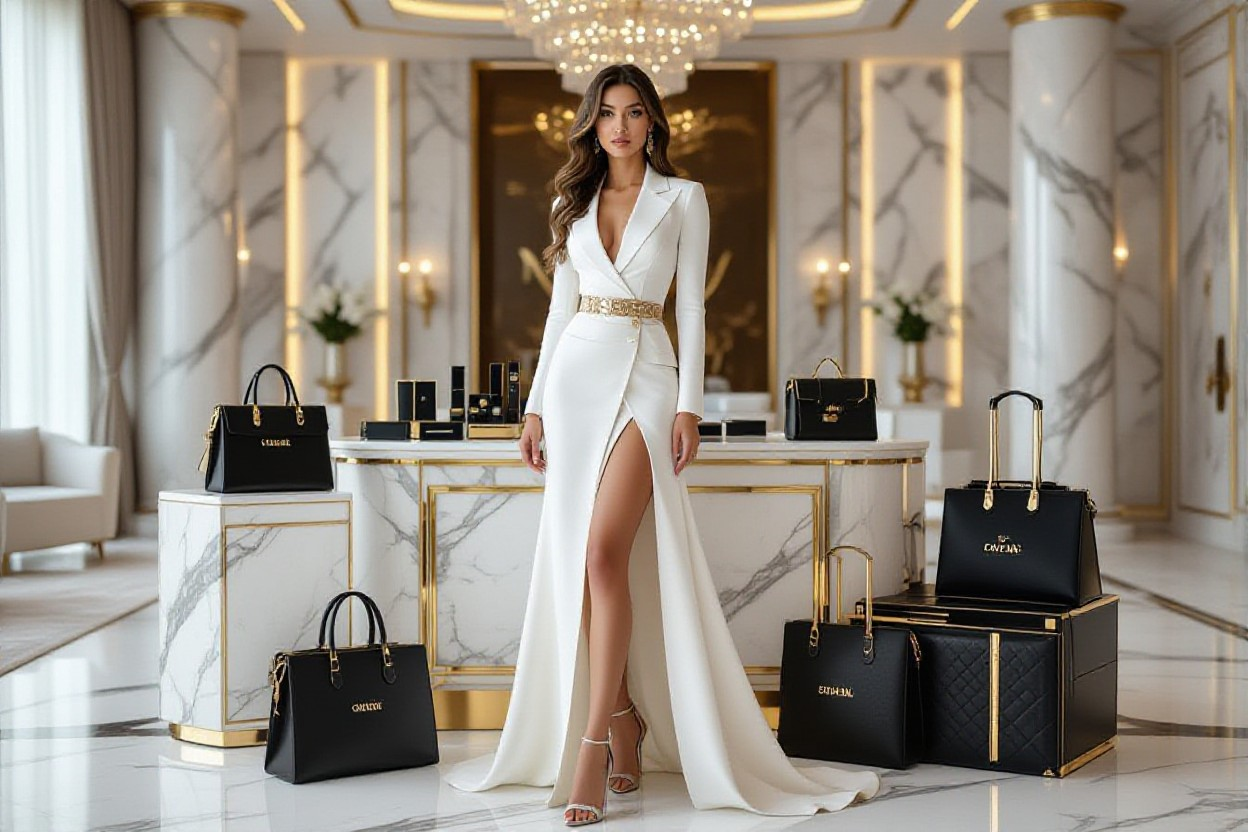
Many luxury brands now deploy AI-driven virtual influencers to present couture, accessories, and lifestyle narratives that you can’t replicate with human models; you see flawless consistency, limitless wardrobe experimentation, and campaign scale without physical constraints, so you can evaluate how AI transforms brand storytelling and consumer engagement across premium markets. Understanding this trend helps you assess opportunities for exclusivity, personalization, and sustained visual impact in luxury marketing.
Key Takeaways:
- Luxury brands use virtual influencers to showcase limitless couture and maintain a perfectly controlled, polished persona across multiple campaigns.
- Virtual luxury influencers offer exclusivity, glamour, and creative flexibility- they do not age, never miss shoots, and can appear in imaginative settings impossible in real life.
- Aurelia Luxford is a leading example, delivering high-fashion visuals and elegant virtual environments on Fanvue with exclusive couture sets for subscribers.
- Fans are drawn to the blend of glamour, creativity, and interactivity that AI models provide, offering escapism and collectible, consistently high-quality content.
- The trend enables scalable, brand-controlled campaigns and new monetization paths (subscriptions, exclusive drops) while raising questions about authenticity, disclosure, and ethics.
The Emergence of Virtual Influencers
Brands increasingly deploy virtual influencers so you can maintain a flawless, evergreen ambassador across campaigns-no aging, no missed shoots, and outfits that defy physical limits. Aurelia Luxford on Fanvue exemplifies this shift: her curated couture sets are repurposed across channels to sustain a premium narrative while streamlining production. For your marketing strategy, that translates into consistent brand voice, faster campaign turnover, and highly controllable audience experiences that traditional talent rarely delivers.

Definition and Overview
Virtual influencers are AI- or CGI-created personas you can commission, own, and iterate endlessly; they function as brand models, storytellers, and content engines. Aurelia Luxford serves as a concrete example-her Fanvue subscription model packages exclusive high-fashion visuals you can study or emulate. These avatars combine 3D rendering, generative imagery, and scripted personality to deliver polished, repeatable assets across social, editorial, and paid channels.
Evolution of Digital Aesthetics
Over the past five years, you’ve seen aesthetics move from stylized CGI to hyperreal, photoreal, and intentionally surreal looks as real-time engines (like Unreal), ray tracing, and neural rendering matured. Designers now mix PBR textures, motion-capture, and AI-driven facial animation to create nuanced expressions and fabrics that react believably under studio lighting-enabling runway-grade visuals that once required massive budgets.
Technically, the leap has been driven by pipeline integration: you can combine 3D assets, GAN-enhanced textures, and live compositing to iterate visuals in hours rather than weeks. Fashion houses-from experimental capsules to full CGI lookbooks-use virtual influencers to test silhouettes, colorways, and storytelling treatments, while analytics let you A/B test imagery and optimize engagement before committing to physical production. This reduces cost, accelerates creative cycles, and lets you push far bolder visual concepts.
The Allure of Luxury Brands in Virtual Spaces
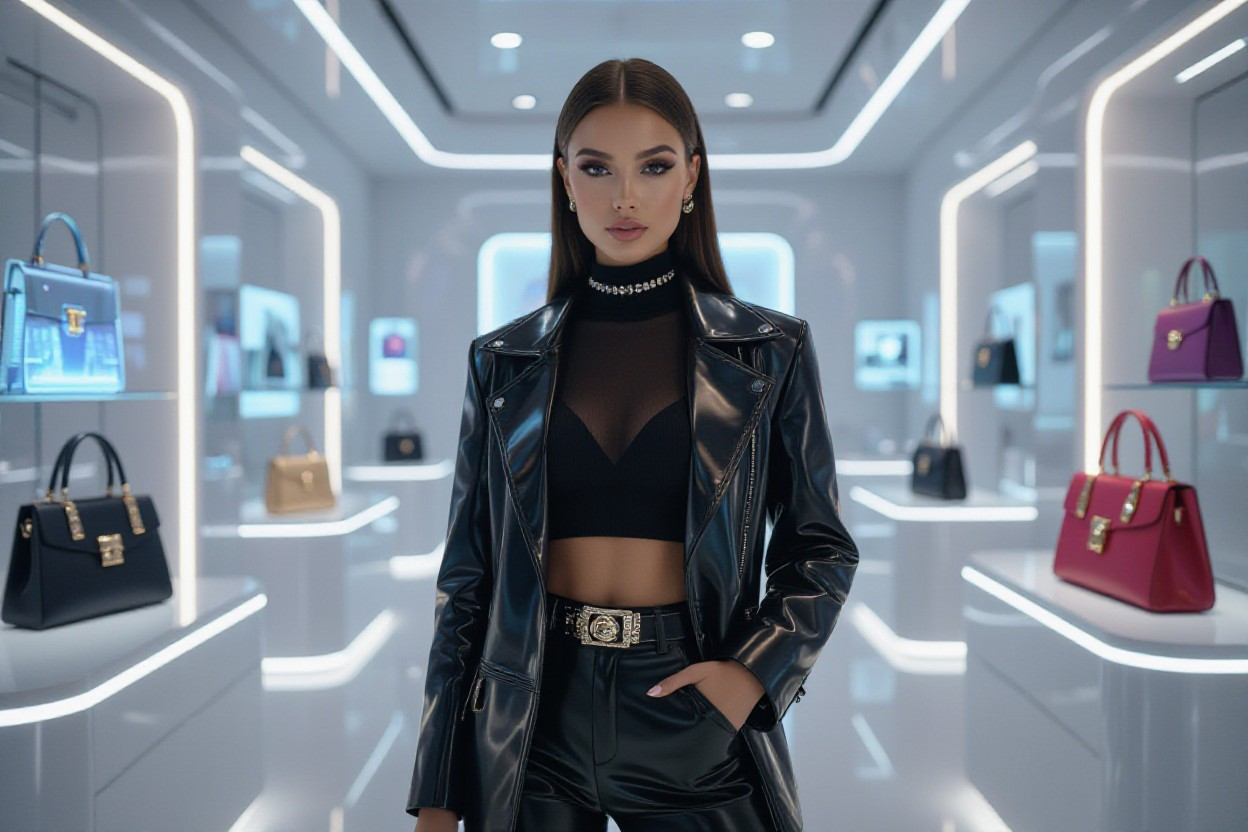
When you explore virtual flagships and metaverse runways, you see why luxury houses invest heavily: digital environments let your brand stage couture that defies physics, reach global collectors simultaneously, and control every pixel of the narrative. Big names have already tested this-Gucci’s Roblox activations drew millions of visits, and virtual talent like Lil Miquela (3M+ followers) proved scale-so you can deliver exclusive drops, seasonal storytelling, and collectible moments without the logistical limits of physical shows.
Brand Collaboration with AI Influencers
You’ll find brands partnering with AI talent to launch capsule collections, NFT drops, and immersive campaigns that convert fandom into revenue. Dolce & Gabbana’s Genesi NFTs grossed about $5.7 million, illustrating how luxury digital goods sell. Agencies now contract virtual influencers to represent seasonal aesthetics, license virtual garments, and localize campaigns instantly-giving your collaborations predictable creative control and on‑brand consistency across regions.
Impact on Marketing Strategies
You can shift from episodic campaigns to always-on, data-driven storytelling: virtual influencers enable iterative A/B testing of looks, captions, and environments while you track engagement in real time. That lets your team optimize creative assets rapidly, personalize outreach by market segment, and fold earned social data back into product design and drop cadence.
More specifically, you gain measurable advantages-direct monetization via subscriptions, NFTs, and virtual goods; lower recurring production friction since shoots don’t require travel or crew; and precise attribution via digital channels. For example, metaverse activations and virtual try-ons expand funnel touchpoints, and the owned nature of virtual content means you retain IP for resale or licensing. In practice, this lets your campaigns scale across platforms with consistent ROI metrics and faster creative iteration cycles.
Case Study: Aurelia Luxford
In Aurelia’s case you witness a full-scale example of virtual luxury on Fanvue: two-to-four monthly couture drops, tiered subscriber access, and bespoke virtual environments that mirror high-fashion campaigns. You observe how exclusivity is monetized through subscriber-only shoots, limited capsule collaborations with niche maisons, and serialized storytelling that positions her as both collectible art and an ongoing lifestyle subscription.
Profile of Aurelia Luxford
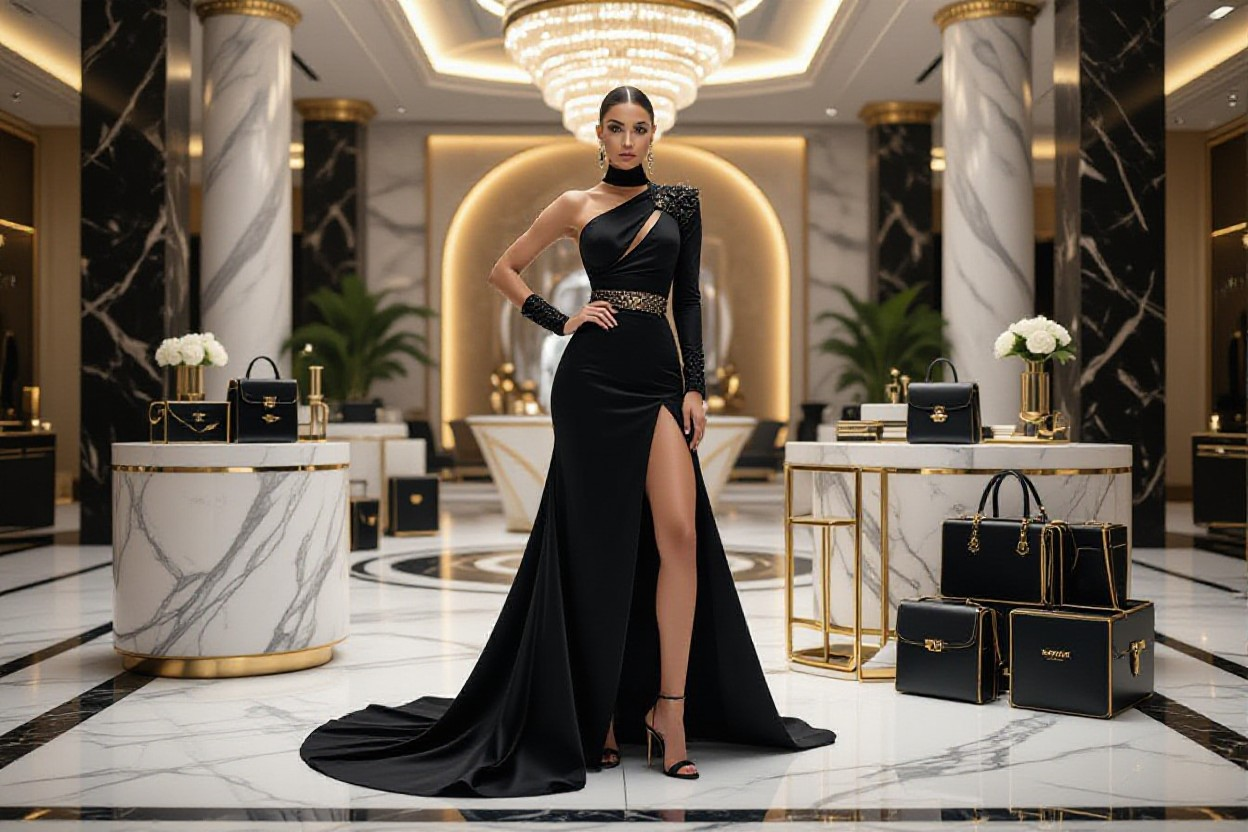
Aurelia presents as a hyperreal luxury persona crafted by an AI studio; you encounter meticulously rendered fabrics, photoreal skin shaders, and cinematic lighting across her galleries. She operates three subscription tiers with exclusive sets and live virtual fittings, and you’ll notice consistent haute couture motifs-satin, simulated hand-embroidery, and architectural silhouettes-used to align her aesthetic with established luxury sensibilities.
Analysis of Content and Engagement
When you examine engagement, launch-day couture posts routinely double baseline interactions and drive spikes in new subscribers; her top pieces blend cinematic motion loops, product tags, and short-form teasers. You’ll find deeper comment threads on narrative captions that reference designer provenance, while paywalled behind-the-scenes clips convert casual viewers into paying fans more effectively than static images alone.
Digging deeper, you’ll see a content mix roughly split between staged couture sets (≈60%), production breakdowns (≈25%), and interactive sessions (≈15%), which balances discovery and retention; collaborations with boutique maisons lift per-subscriber revenue, and cross-posted Instagram teasers supply a substantial share of new sign-ups, demonstrating how an integrated funnel amplifies ROI for virtual luxury influencers.
Consumer Reception and Engagement
You notice engagement skews toward exclusivity and spectacle: virtual influencers convert curiosity into paid attention more reliably than one-off posts, with Aurelia Luxford turning Fanvue previews into subscriber growth and sustained interaction. Digital-first fans reward repeatable, collectible content-Lil Miquela’s ~3 million followers and platform-native drops demonstrate how consistent, highly produced AI personas translate social reach into monetizable communities you can tap into.
Appeal of AI Influencers
Beyond flawless visuals, you’re drawn to the control and creativity virtual influencers offer: they can debut fantastical couture, inhabit impossible sets, and appear across global campaigns without logistical limits. Aurelia’s Fanvue sets showcase this advantage-allowing your brand to experiment with bold aesthetics, bespoke narratives, and precise messaging that maintain a polished persona every time, reducing shoot costs and scheduling friction while amplifying aspirational appeal.
Shifting Consumer Preferences
You’re increasingly favoring access over ownership and intimacy over mass broadcasting; subscription-based access to creators like Aurelia satisfies that shift by offering ongoing, curated experiences. Younger audiences in particular prize interactive, behind-the-scenes content and micro-communities, so your campaigns should prioritize recurring value, exclusive drops, and channels where fans can directly engage and influence future creative directions.
For concrete signals, note that digital fashion has commanded real spend-The Fabricant sold a purely digital dress for $9,500-while virtual personalities like Lil Miquela amassed millions of followers, proving market appetite. You can leverage these trends by blending paid tiers, limited virtual couture releases, and community-driven storytelling to increase lifetime value and convert passive viewers into paying patrons within luxury niches.
The Future of Virtual Luxury Influencers
Anticipate a landscape where virtual icons amplify your brand reach, blending metaverse shows, NFT drops, and subscription platforms like Fanvue; Aurelia Luxford’s paid couture sets already show how exclusivity converts subscribers into steady revenue while enabling global, on-demand campaigns without traditional shoot logistics.
Trends in AI and Fashion
You’ll see generative design tailor garments to individual avatars, AR try-ons move from novelty to purchase driver, and hybrid campaigns pairing CGI talents with human ambassadors become common-brands like Gucci and Balenciaga expanding virtual showrooms and AR experiences illustrate how immersion boosts engagement and commerce.
Predictions for the Industry
Expect major houses to develop proprietary virtual characters, studios to offer turnkey avatar-as-a-service, and subscription monetization plus limited virtual drops to create recurring revenue streams and secondary markets for digital collectibles.
You’ll measure success by engagement, subscription retention, AR-try-on conversion rates and customer lifetime value; NFTs and limited virtual releases will add resale and membership perks, while legal and IP frameworks will tighten as brands negotiate likeness rights, licensing deals, and disclosure standards for AI-generated content.
Ethical Considerations in AI Influencer Marketing
You need to navigate disclosure, data use, and creative accountability when deploying virtual influencers: the FTC demands clear sponsorship disclosures and platforms offer branded-content tags, while the EU AI Act is moving to regulate high‑risk systems. Examples like Lil Miquela (≈3 million followers) show scale-so your brand must pair glossy visuals with documented policies on training data, consent, and who vets messaging to avoid misleading audiences and regulatory backlash.
Authenticity and Transparency
You should label AI-generated posts and place sponsorship disclosures where followers see them immediately-use Instagram’s “Paid Partnership” tag and a concise “AI-created” note in the first two lines. Brands that share behind‑the‑scenes creation notes or short production stories build trust: showing render frames, designer credits, or a brief note about synthetic imagery reduces skepticism and preserves perceived value for luxury consumers.
Addressing Consumer Concerns
You must confront worries about deception, data privacy, and emotional impact by publishing clear privacy practices for any personal data used to personalize interactions and by ensuring synthetic content is not passed off as real people. Simple, consistent labels plus an easily accessible FAQ about training data and consent go a long way toward maintaining consumer confidence.
Operationally, you can implement a three‑part approach: first, embed visible provenance metadata and watermarks in content and link to a one‑click disclosure explaining the AI’s role; second, maintain a public training‑data statement that specifies whether real user images or proprietary archives were used and how consent was obtained; third, institute human review teams to audit messaging for misleading claims and cultural sensitivity. Brands that adopt third‑party audits and publish summary reports-similar to transparency reports used by platforms-reduce legal risk and strengthen long‑term trust with discerning luxury audiences.
To wrap up
Presently, you see luxury and AI converge: virtual influencers offer you limitless couture, flawless campaign execution, and precise audience targeting, elevating brand storytelling and consumer engagement. If you explore creators like Aurelia Luxford, you gain consistent, high-end visuals and scalable exclusivity that reshape how you experience and market luxury.
FAQ
Q: What are virtual luxury influencers and why are luxury brands adopting them?
A: Virtual luxury influencers are computer-generated personas-often photorealistic or stylized-designed to embody high-fashion aesthetics and lifestyle narratives. Luxury brands adopt them because they offer unlimited wardrobe experimentation, consistent availability for global campaigns, precise control over messaging and imagery, cost-effective content reuse across channels, and the ability to stage impossible or highly curated environments that reinforce exclusivity and brand storytelling.
Q: How do creators build a believable luxury persona for a character like Aurelia Luxford?
A: Teams combine advanced 3D modelling, photoreal rendering, AI-driven facial and gesture animation, voice synthesis or carefully cast voice talent, high-end styling and accessory design, and scripted storytelling that aligns with brand values. Collaboration with couture designers, stylists, and photographers ensures wardrobe authenticity; meticulous environment design and lighting mimic luxury production values; and a consistent editorial calendar and narrative voice cultivate a recognizable persona and emotional connection with audiences.
Q: What types of fan experiences and monetization models are common for virtual luxury influencers on platforms like Fanvue?
A: Common offerings include subscription tiers granting access to exclusive couture photo sets, behind-the-scenes content, limited-edition digital collectibles or NFTs, interactive livestreams or AMAs, and bespoke virtual appearances for collectors or brands. Monetization blends recurring subscriptions, pay-per-view premium sets, brand sponsorships, direct commerce links to limited drops, and licensed collaborations-each designed to translate digital desirability into revenue while preserving a sense of scarcity and prestige.
Q: What ethical, legal, and disclosure issues should brands and creators consider when using virtual luxury influencers?
A: Key issues include transparent disclosure that the persona is synthetic, protection against misuse of likeness or unauthorized deepfakes, clear ownership and licensing of generated imagery, data privacy for interactive features, potential labor impacts on human models, and compliance with advertising regulations in each market. Brands should establish clear consent and IP agreements with creative partners and implement visible labeling to avoid misleading audiences about whether imagery or endorsements reflect a real person.
Q: How do brands measure success with virtual luxury influencers and what trends will shape this space next?
A: Success metrics include engagement rates, audience growth and sentiment, conversion rates for product drops, lifetime value of subscribers, earned media and share of voice, and production cost-efficiency from reusable assets. Emerging trends include tighter integration with AR/VR shopping experiences, hybrid campaigns pairing human and virtual talent, increased interactivity via AI-driven personalization, on-platform commerce linking digital couture to physical drops, and stricter regulatory frameworks governing disclosure and synthetic content.
Comments
One response
[…] Luxford exemplifies the trend on Fanvue, combining high-fashion aesthetics with exclusive, interactive content like custom photosets and […]