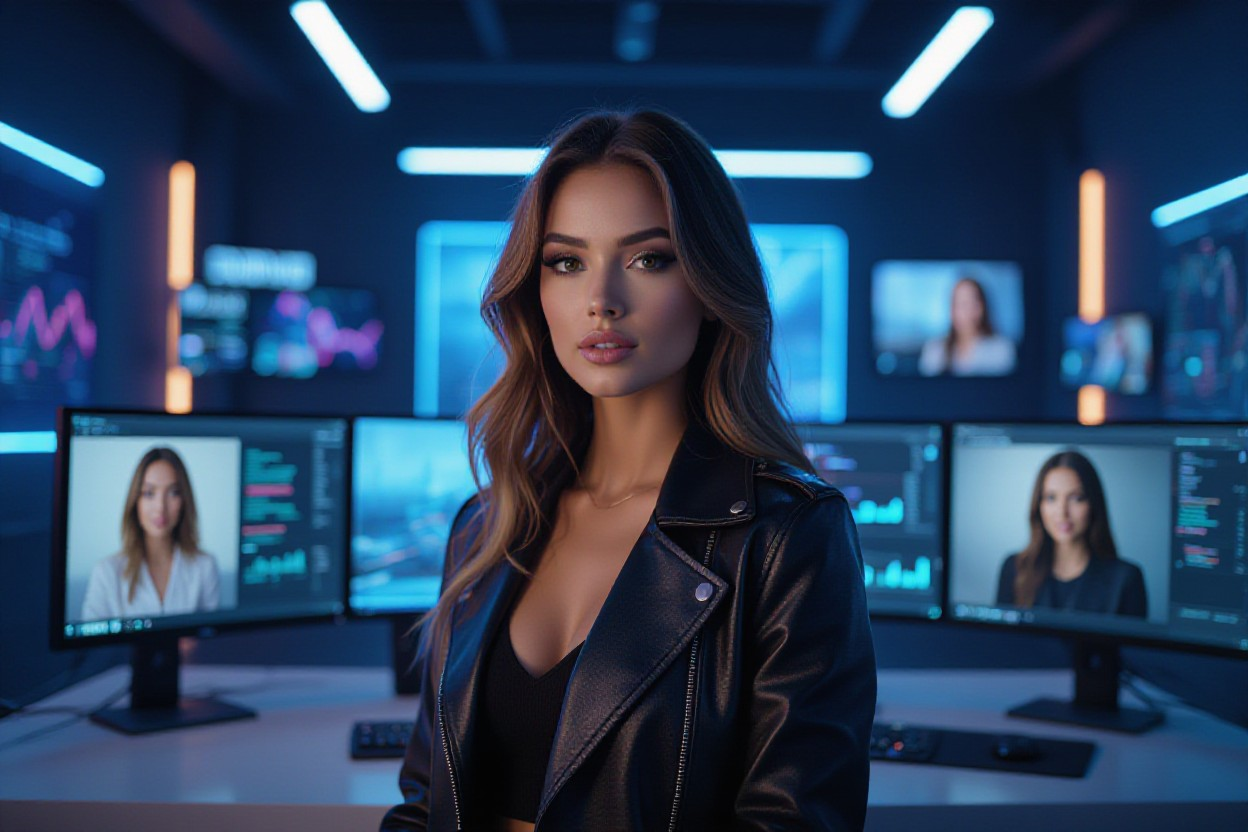
Many of your peers are adopting virtual influencers, and on Fanvue you can leverage AI-generated personas to offer subscription-based, curated experiences that scale interactions, maintain consistent output, and deepen fan engagement without human scheduling constraints.
Key Takeaways:
- Virtual influencers are computer-generated personas with lifelike features that engage audiences without human scheduling limits.
- Fanvue’s subscription-based platform enables exclusive, curated experiences and reliable monetization for digital creators.
- AI-generated content allows virtual influencers to scale personalized interactions while maintaining consistent, high-quality output.
- Gated content and community tools on Fanvue boost engagement and deepen fan relationships for virtual personas.
- Digital-first influencers can rapidly test formats and run persistent campaigns, making Fanvue a launchpad for the future of content creation.
Understanding Virtual Influencers
When you examine virtual influencers, you see computer-generated personas engineered for consistency, scalability, and data-driven audience growth; platforms like Fanvue let these avatars publish exclusive, subscription-only content around the clock. Examples include Lil Miquela (≈3M followers) and Noonoouri (hundreds of thousands), showing that lifelike visuals plus scripted personalities can drive real brand deals and sustained fan engagement without the constraints of a human creator.

Definition and Characteristics
Virtual influencers are CGI or AI-driven characters with defined backstories, visual styles, and predictable posting schedules you control; they use motion capture, neural rendering, and natural-language engines to mimic emotion and conversation. You can A/B test voices, iterate aesthetics, and deploy multilingual versions instantly, enabling rapid content cycles and tighter brand alignment than with human talent.
Benefits Over Traditional Influencers
You gain unparalleled control and cost predictability: virtual influencers don’t require travel, breaks, or reputation management, so you can produce more assets per month and schedule posts 24/7. Brands leverage this to run continuous campaigns, scale global reach without additional talent fees, and maintain a single, unambiguous brand narrative across channels and subscription tiers on Fanvue.
Digging deeper, you can quantify returns more precisely-virtual campaigns often allow detailed event tracking, heatmaps, and conversational analytics that inform content strategy in real time. Case examples like Lil Miquela’s collaborations with Prada and Calvin Klein illustrate how digital personas secure high-profile partnerships, while your Fanvue subscriptions let you monetize exclusive content directly, with typical tiered pricing commonly spanning single digits to $20+ monthly depending on offerings.

The Rise of Virtual Influencers on Fanvue
Fanvue’s subscription-first model lets you monetize niche narratives quickly; creators converting 5-12% of their follower base into paid subscribers within months have become common, using AI to publish daily micro-episodes, automated DMs, and tiered perks that sustain recurring revenue while keeping production costs low.
Success Stories
One fashion-focused virtual creator on Fanvue grew to 10,000 subscribers in nine months by pairing weekly behind-the-scenes drops with limited-edition digital collectibles, while a wellness persona retained 78% of subscribers year-over-year after launching personalized check-in videos-examples you can emulate by combining exclusivity, cadence, and collectible incentives.
User Engagement and Interaction
You’ll see higher interaction rates when virtual influencers use personalized touchpoints: automated but customized video responses, scheduled live Q&As, and branching-story posts that lift comment and retention metrics-many creators report engagement rates between 8-15% on Fanvue compared with lower average rates on open social platforms.
To deepen engagement you should deploy layered tactics: segment subscribers for tailored content, run monthly narrative arcs that require participation, and use lightweight AI to generate personalized clips for top-tier patrons; tracking lifetime value, churn by cohort, and response time lets you iterate-turning one-off fans into long-term subscribers.

Content Strategies for Virtual Influencers
Exclusive Content Creation
You can design serialized storylines, staged CGI photoshoots, and AR filters reserved for subscribers to drive loyalty. Mix daily micro-updates with 1-2 premium drops per week, and release limited digital collectibles in runs of 100-500 to create scarcity. Use behind-the-scenes posts on character design, step-by-step CGI tutorials, and monthly live Q&As to deepen fandom and give paying fans experiences they cannot get on public feeds.
Subscription Models
You can adopt a multi-tier structure-common setups are $5/$15/$50-where lower tiers deliver regular extras and top tiers include 1:1 AI chats or commissioned content. Offer paywalled bundles, single-purchase pay-per-request items, and time-limited offers to boost ARPU. Pairing subscription tiers with exclusive brand collabs or merchandise drops gives clear upgrade paths for your audience.
Dive deeper by testing a 14-day trial and 3-tier layouts while tracking conversion and churn by cohort; A/B price points (for example $3 vs $5 entry tiers) reveals elasticity. Use analytics to see which perks-direct messages, early-access drops, or NFTs-retain subscribers longer, then scale the most effective perks and bundle them into limited-run premium tiers to increase lifetime value.
Technology Behind Virtual Influencers
Beneath the persona sits a layered tech stack: generative models for dialogue, real-time engines for live interaction, and photoreal rendering for assets. You’ll see GPT-4-style language models powering replies, diffusion models creating concept art, and engines like Unreal or Unity delivering 60+ FPS streams so your virtual talent can host live Q&As on Fanvue without lag. Pipelines often combine cloud inference, local GPU rendering, and CDN delivery to keep latency low while scaling to thousands of concurrent viewers.
AI and 3D Modeling
Artists start with concept art then move through ZBrush or Blender sculpting, retopology, UVs, and PBR texturing; you can use photogrammetry for photoreal detail and blendshapes for facial nuance. Motion capture ranges from iPhone TrueDepth facial capture to Xsens suits for full-body, and real-time rigs in Unreal let you stream animations live. GANs or diffusion models fill texture gaps, while pipeline automation cuts asset turnaround from weeks to days.
Social Media Algorithms
Algorithms reward engagement signals-watch time, completion, rewatch, and immediate likes/comments-so you should optimize short-form hooks and cross-post timing. TikTok’s recommendation engine prioritizes completion and rewatch, Instagram weighs relationship and recency, and YouTube favors session time; virtual creators like Lil Miquela (3M+ Instagram followers) leverage serialized storytelling across platforms to amplify these signals and drive discovery to Fanvue subscriptions.
To push algorithmic reach, seed new posts to your core audience within the first 30-60 minutes to trigger the platform’s evaluation window, test 2-3-second hooks for higher completion, and iterate using platform analytics. You can A/B thumbnails and captions, deploy small paid boosts to jumpstart performance, and adapt cadence-daily short clips versus weekly long-form-to match each network’s retention mechanics and maximize conversion to your Fanvue funnel.
Challenges and Criticisms
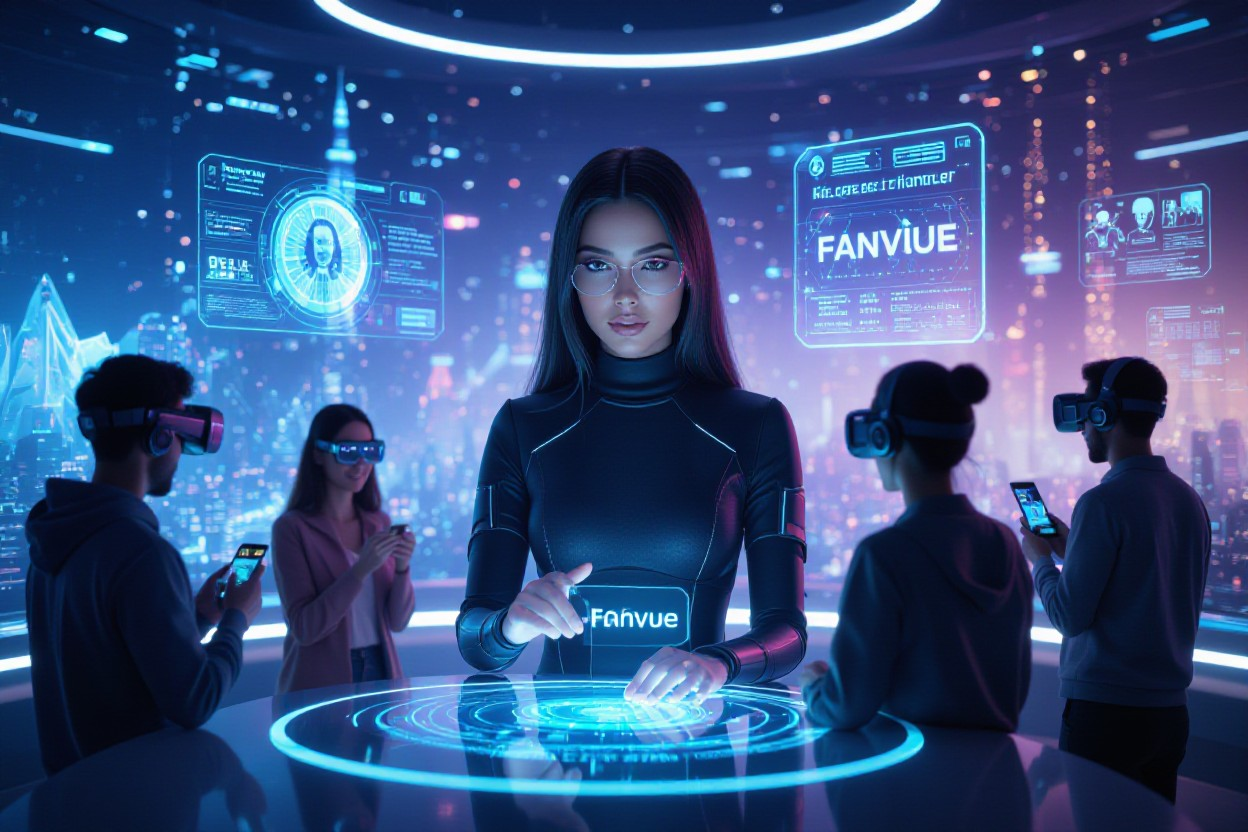
Many creators and brands on Fanvue are already confronting legal and social backlash as virtual influencers scale; you must navigate transparency demands, representational harms, and potential misuses like deepfakes. Lil Miquela’s millions-strong following demonstrated how lifelike personas can win brand deals yet ignite debates about authenticity, while Shudu exposed racial representation issues when a single creator crafted a Black supermodel. Platforms and regulators are increasingly scrutinizing how you disclose and govern synthetic talent.
Authenticity and Trust Issues
Fans expect honesty, so you risk churn and reputational damage if sponsorships or AI manipulation aren’t transparent. FTC endorsement guidelines apply to virtual personas, and creators who failed to label paid content have suffered public backlash and lost partnerships. You can preserve parasocial trust by clearly tagging sponsored posts, offering behind-the-scenes creation content, and adding verification cues so subscribers know whether your interactions are human-driven, algorithmic, or a mix.
Ethical Considerations
Ethical debates center on consent, representation, and economic impact: you must consider whether synthetic characters appropriate identities or misuse real likenesses, how virtual talent affects employment for human creators, and whether training datasets embed biased stereotypes. High-profile cases-Shudu’s creator controversy and discussions around Lil Miquela’s corporate partnerships-show how sensitive audiences are to provenance and intent. Your choices on Fanvue will be judged by how transparently you handle these issues.
To act responsibly, you can implement concrete safeguards: label AI-generated content, secure model releases for any human likeness, run bias audits on training data, and publish sourcing statements for synthesized voices or faces. Legal compliance matters too-follow FTC disclosure rules and data-privacy laws like GDPR when collecting fan data. Adopting these practices helps you reduce disputes and build durable subscriber trust by making clear who or what your audience is paying to engage with.
The Future of Virtual Influencers
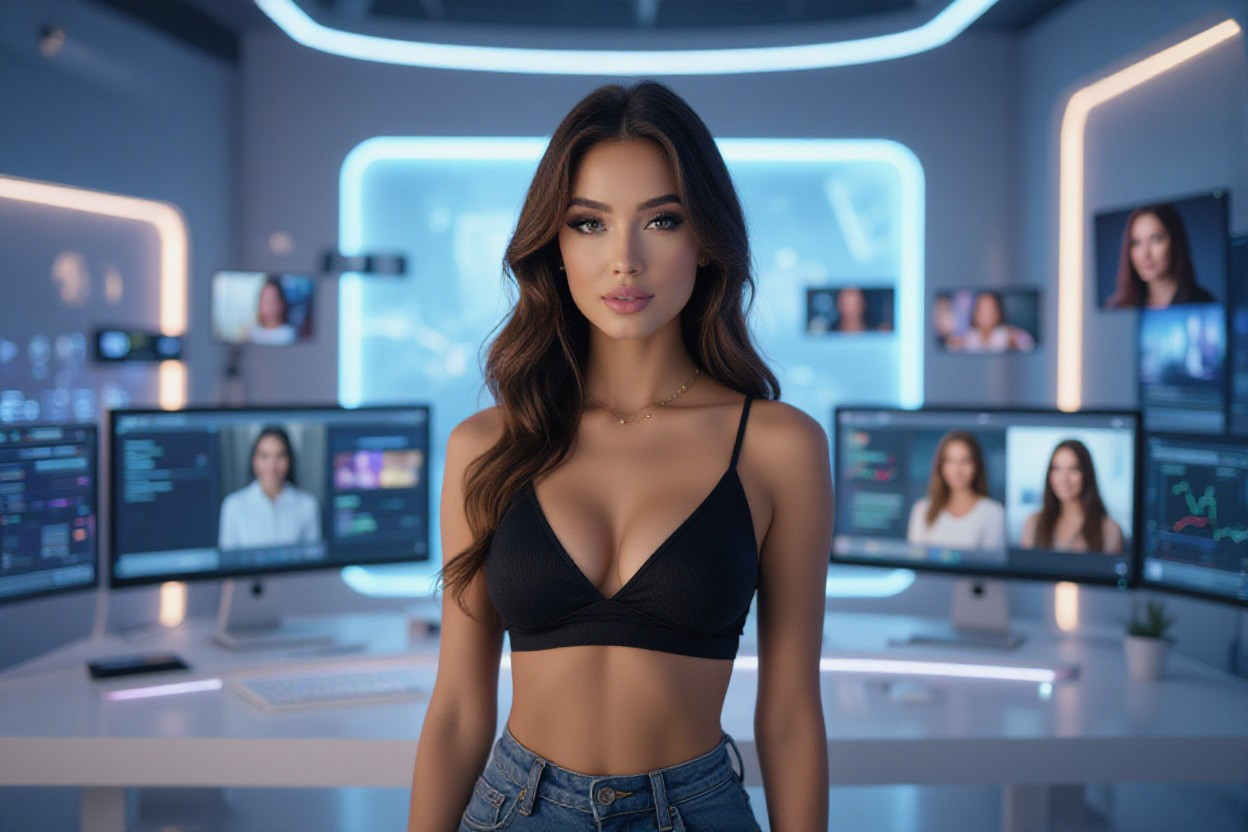
You’ll see virtual influencers move from novelty to platform-native businesses on Fanvue, using AI to deliver serialized content, tiered memberships, and timed drops; Lil Miquela (Brud) shows the model’s reach with millions of followers and brand deals like Prada and Samsung, proving IP-first digital personas can monetize through exclusive paid experiences and sponsored collaborations.
Trends to Watch
You should track micro-subscriptions (tiers under $10/month gaining traction), real-time live commerce where virtual hosts close sales in-stream, AR product try-ons that improve shopper confidence, voice cloning for consistent character delivery, and emerging regulation around synthetic media; several brands are already piloting virtual-hosted campaigns to test these formats.
Integration with Emerging Technologies
You can combine real-time engines, NLP, AR/VR, and blockchain to make experiences more immersive and monetizable: use Unreal Engine or Unity for live rendering, NVIDIA Omniverse for collaborative pipelines, Spark AR or ARKit for filters, OpenAI-style TTS for voice, and Web3 wallets to gate limited drops or memberships.
Practically, you might pipeline mocap-to-render: capture performance via affordable inertial suits, feed it into Unreal for sub-200ms rendering, layer AI-driven dialogue and sentiment analysis to adapt responses, then gate access on Fanvue with tokenized perks or time-limited NFTs-this lets you scale personalized interactions while preserving scarcity and brand control.
Conclusion
To wrap up, virtual influencers are reshaping Fanvue by enabling you to deliver consistent, scalable, and highly personalized subscription experiences; AI-generated personas let you maintain engagement without human constraints while monetizing exclusive content, making Fanvue a strategic platform for building predictable revenue and deep relationships with your audience as digital influence accelerates.
FAQ
Q: What are virtual influencers and how are they different from human creators?
A: Virtual influencers are computer-generated personas with lifelike features, distinct personalities, and scripted or AI-driven behaviors. Unlike human creators, they have no physical limitations, can be active 24/7, and maintain perfect brand consistency across posts and messages. Their content can blend fashion, storytelling, and interactive experiences while avoiding privacy or legal issues tied to a real person’s life. On Fanvue, virtual influencers leverage polished visuals and narrative continuity to build long-term subscriber relationships.
Q: Why is Fanvue an ideal platform for virtual influencers?
A: Fanvue supports exclusive, subscription-based content delivery, which aligns with the curated, serialized experiences virtual influencers provide. Its monetization tools-tiers, paywalled posts, direct messaging, and gated videos-allow creators to package character-driven narratives, behind-the-scenes “creation” content, and interactive campaigns that fans will pay for. Fanvue’s format encourages recurring revenue and deeper fan investment, turning digital personas into sustainable brands.
Q: How do virtual influencers maintain authenticity and audience trust on Fanvue?
A: Authenticity is built through consistent character voice, transparent storytelling, and responsive interaction. Virtual creators can use AI-driven personalization to tailor responses, maintain continuity across posts, and offer bespoke experiences for top-tier subscribers. Producers often share design insights, creation processes, and staged “real-life” moments to humanize the persona while keeping the boundaries of a fictional character clear, which helps sustain trust and engagement.
Q: How does AI help virtual influencers scale engagement on Fanvue?
A: AI enables scalable content generation, real-time fan interactions, and rapid A/B testing of tones and narratives. Automated content pipelines can produce photos, short videos, captions, and personalized messages at volume without sacrificing consistency, while analytics-driven prompts refine what resonates with subscribers. This efficiency lets virtual influencers run multiple campaigns, host interactive events, and respond quickly to trends-amplifying reach and subscriber retention on Fanvue.
Q: How can creators get started with a virtual influencer on Fanvue and monetize effectively?
A: Begin by defining the character’s backstory, visual style, voice, and content pillars; then create a content plan that includes free teasers and paid serialized offerings. Use Fanvue tiers to offer exclusive content like monthly vlogs, interactive Q&As, custom messages, and limited-edition digital drops. Invest in consistent branding, schedule regular releases, and use platform analytics to optimize pricing and content types-explore the possibilities of virtual influence on Fanvue to turn a digital persona into a profitable subscription brand.