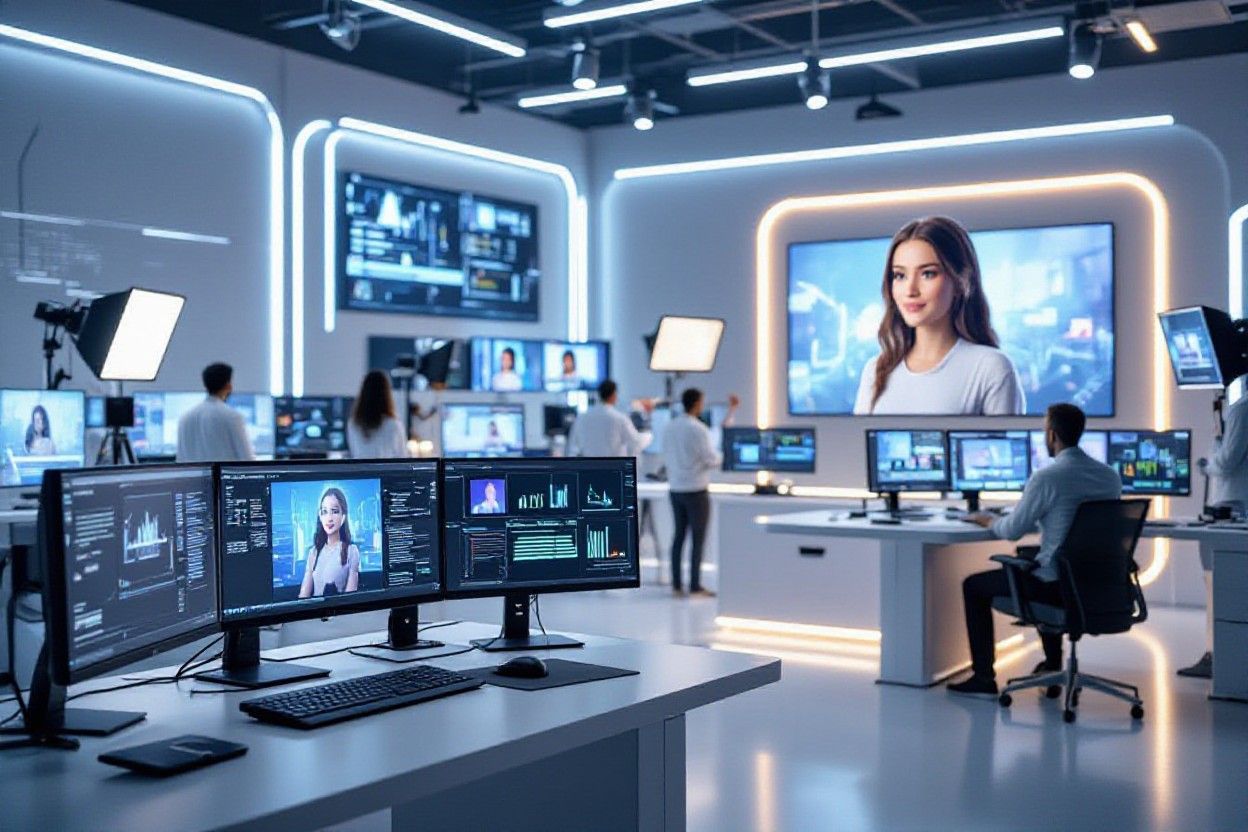
Just step into the workflow of virtual influencers and you’ll see how 3D modeling, generative algorithms, and narrative design combine to produce immersive visual experiences; you learn how creators iterate concepts, stage digital shoots, and adapt aesthetics at scale, and you can access Aurelia Luxford’s Fanvue behind-the-scenes to observe photoshoot pipelines, fashion sets, and interactive content that deepen fan engagement and reveal practical techniques you can follow.
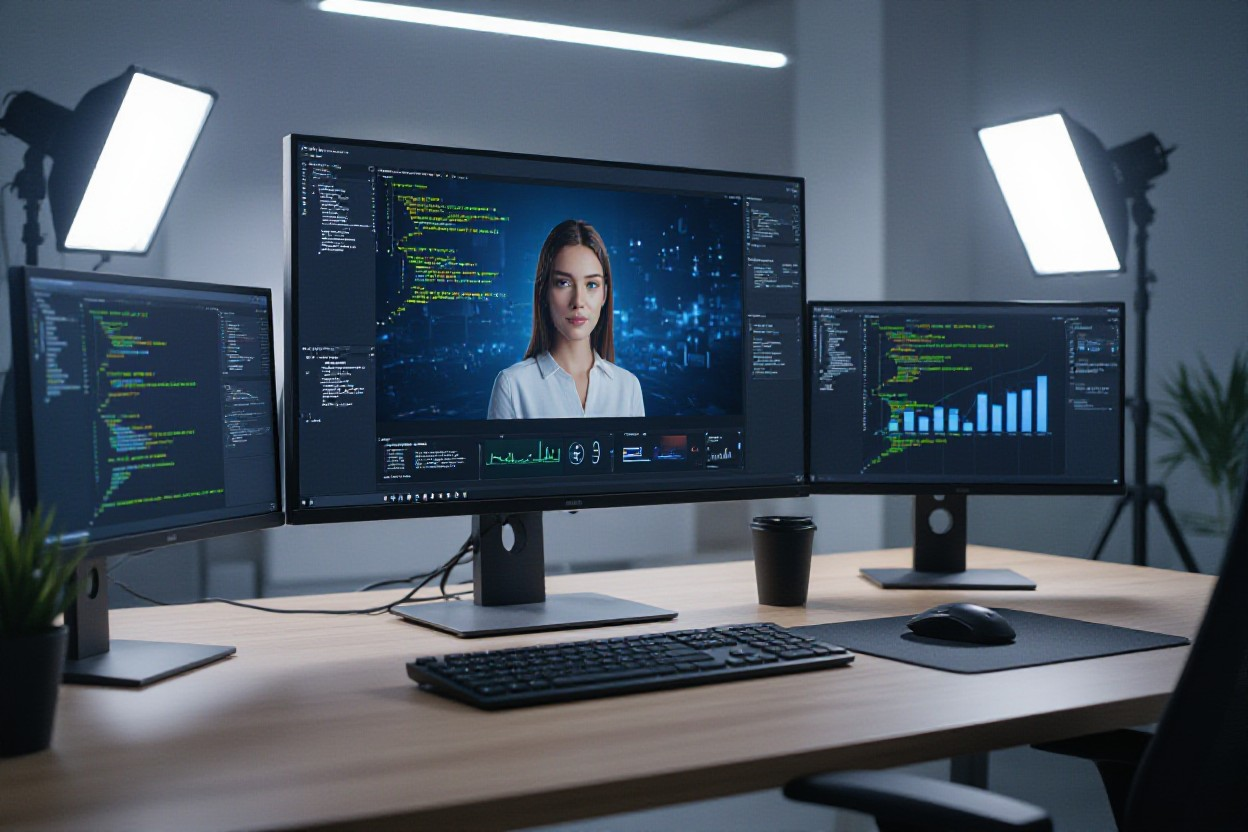
Key Takeaways:
- Virtual influencers combine 3D modeling, AI-driven algorithms, and narrative design to produce multiple high-quality sets and experiences efficiently.
- BTS content exposes the production pipeline-concept development, asset creation, rigging/animation, rendering, and post-processing-making the process accessible to fans.
- Aurelia Luxford’s Fanvue access demonstrates how transparency (digital photoshoots, fashion sets, interactive sessions) deepens engagement and builds trust.
- Subscribers value interactivity and insight: behind-the-scenes access lets fans influence creative choices, participate in polls, and feel part of the process.
- Digital assets enable scalable monetization and rapid iteration, opening opportunities for branded collaborations and cross-platform storytelling.
Understanding AI Influencers
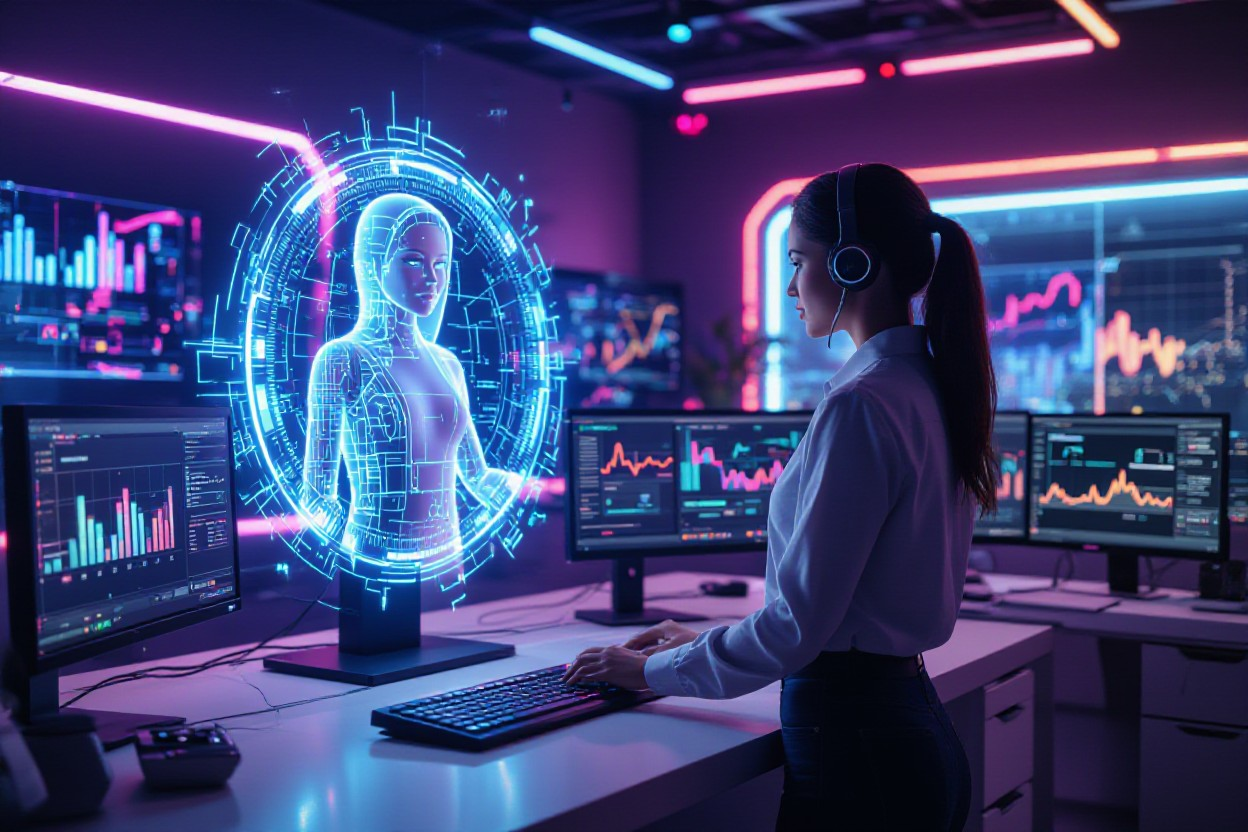
You’ve seen how AI influencers blend engineering and storytelling: they combine 3D modeling, GANs and real-time engines (Unreal/Unity) to produce photoreal content at scale. Lil Miquela amassed over 3 million followers as an early example, while Aurelia Luxford offers Fanvue subscribers behind-the-scenes access to multi-set shoots. This hybrid workflow lets you iterate concepts quickly, switching lighting, wardrobe and camera angles without physical constraints.

Definition and Role
You interact with virtual influencers as curated digital personas-3D assets define appearance, animation rigs and mocap provide motion, and scripted social narratives shape voice. Brands deploy them for targeted campaigns, product testing and continuous engagement; Lil Miquela’s brand deals and Aurelia’s Fanvue BTS demonstrate how virtual talent drives fan loyalty and scalable content strategies, allowing you to run rapid A/B tests across visuals and messaging before committing to live shoots.
Evolution of Virtual Influencers
Virtual influencers moved from static CGI to narrative-first, data-driven characters: Shudu’s early editorials preceded Lil Miquela’s 2016 social storytelling, and by 2020 diffusion models plus improved GPUs pushed realism further. Real-time engines and cloud rendering have since slashed turnaround times, enabling you to produce more frequent, varied posts and interactive experiences without traditional production overhead.
Technically, the leap came from neural rendering, photogrammetry, NeRFs and diffusion models combined with mocap and real-time engines; you can now capture natural motion, generate lifelike textures and iterate lighting in-engine. In practical terms that lets you produce a campaign-five outfit swaps, ten camera angles and AR filters-in a single day using a compact pipeline and cloud render farms, dramatically expanding what your virtual talent can deliver.
The Creative Process of AI Models
You progress through a tightly staged workflow where ideas are rapidly prototyped, tested, and refined; teams typically run 3-8 iterations per campaign to land on lighting, pose, and narrative. For creators like Aurelia Luxford, you’ll see weekly concept sprints feeding both static hero images and interactive assets, with data from subscriber engagement guiding which variants-color palettes, outfits, or settings-get polished for final production.
Concept Development
You begin by assembling 10-15 moodboards and 20-50 text prompts, then prune to 3 narrative arcs to test with small audiences. Designers pair generative-text prompts (GPT-style) with curated image datasets, A/B testing thumbnail variations and captions; Aurelia’s team, for example, runs quick polls on Fanvue to choose between streetwear, couture, or seasonal themes before any modeling starts.
3D Modeling and Animation
You move from high-resolution sculpting to production meshes using tools like ZBrush, Blender, and Maya: initial sculpts often hit 2-5 million polys before retopology reduces assets to 50k-200k for rendering. Rigging commonly involves 60+ joint chains and 50-200 blendshapes for facial nuance, while motion capture (60-120 fps) supplies realistic body and expression data that you refine with keyframe animation.
You then optimize for delivery: bake normal and AO maps in Substance Painter, create 4K albedo/roughness packs, and set up PBR shaders in Unreal or Cycles. Render times vary-hero 4K stills can take 30 minutes to 6 hours on a 32-core node-whereas real-time pipelines target 30-60 fps for livestreams; Aurelia mixes offline renders for cover shots and real-time engines for interactive fan sessions.

Technology Behind Content Creation
AI Algorithms and Tools
You’ll see a hybrid stack drive virtual shoots: GANs (StyleGAN2/3) or diffusion models (Stable Diffusion, DALL·E derivatives) for faces and textures, NeRF and neural rendering for complex lighting, and traditional engines (Blender Cycles, Unreal Engine, NVIDIA Omniverse) for scene assembly. Models are typically pretrained on millions-to-billions of images and then fine-tuned on brand assets. Real-time previews at 30-120 fps accelerate iteration, while final outputs are rendered in 4K+ for feeds and prints.
Visual Storytelling Techniques
You’ll notice composition, lighting, and camera movement are treated like a live production: Aurelia often builds 3-5 set variants, applies cinematic color grading, and uses depth-of-field, motion blur, and virtual lens choices to craft mood. Layered renders-base, shadow, specular, and emissive passes-let you tweak atmosphere without re-rendering the whole scene. Final edits are exported in platform-specific formats so your visuals read correctly on Fanvue, Instagram, and TikTok.
Preproduction tools like shot lists, mood boards, and storyboards map narrative beats so you can trace each creative decision. HDRI maps and three-point lighting (key, fill, rim) calibrated to color temps (for example, 5600K key with a 3200K rim) give consistent color across takes. Facial rigs, blendshapes, and occasional mocap provide believable micro-expressions; cloth and hair sims (Blender cloth, NVIDIA tools) add secondary motion. Post-processing uses LUTs, grain, selective dodge/burn, and localized retouching, and thumbnails are A/B tested on small fan cohorts to pick the highest-engagement frames for Fanvue drops.
Engaging Fans Through BTS Content
You can watch layered production – from prompt iterations and 3D lighting setups to post-processing – and platforms like Fanvue let Aurelia Luxford publish raw renders, mood boards and interactive demos so your connection shifts from passive viewing to active participation in the creative pipeline.
Importance of Behind-the-Scenes Access
When you access BTS files you see prompt versions, mesh adjustments and color-grading choices that demystify the output; Aurelia’s Fanvue breakdowns and annotated renders explain creative decisions, deepen trust, and make you more likely to engage repeatedly with her work.
Enhancing Fan Interaction
You interact through structured touchpoints: live compositing sessions, polls to pick outfits or set themes, and tiered content that unlocks raw PSDs or model turntables-these formats turn curiosity into measurable engagement and let you influence future content direction.
By offering time-lapse renders, commentary tracks and downloadable layered assets, creators let you replicate techniques or request variations; combining asynchronous BTS posts with scheduled Q&As lets you submit feedback, watch real-time adjustments (shader tweaks, camera swaps) and see your suggestions implemented in subsequent shoots.
Case Study: Aurelia Luxford
Aurelia Luxford’s operation demonstrates monetized transparency: you get layered BTS files, editable 3D set shots, and staged retouch workflows that her team releases on Fanvue. She posts 3-4 behind-the-scenes uploads weekly, shares 20-30 high-res assets monthly, and reports a roughly 20% conversion from preview viewers to paid subscribers, illustrating how consistent, revealed process work directly drives retention and revenue for AI-native influencers.
Overview of Aurelia’s Digital Content
You’ll notice Aurelia blends photoreal 3D renders with diffusion-based fine-tuning, producing 50-80 final images per month across themed drops. Her content calendar schedules fashion shoots, environment builds, and micro-stories, and she partners quarterly with 3-5 indie labels for co-branded capsule drops, using versioned renders so subscribers can download alternate lighting and pose files for personal use.
Fan Engagement Strategies
You interact through a layered funnel: free previews, exclusive BTS tiers, and paid co-creation events. Aurelia runs biweekly live co-creation streams averaging 300 viewers, hosts monthly polls that guide styling choices, and uses tiered rewards-custom clips, signed digital prints-that increase average subscriber lifetime value by about 30% compared with standard posts.
Beyond scheduled drops, you see her use A/B tested calls-to-action, serialized storytelling, and gamified participation-example: a three-week poll series where fans selected outfits and locations, which doubled tipping during streams and led to a limited 500-unit digital look sale that sold out within 48 hours, reinforcing the ROI of participatory content.
The Future of AI Influencers
You’ll see AI influencers shift from static posts to dynamic, personalized experiences: real-time neural rendering will let your favorite avatar appear live in AR at 60+ fps, while multimodal models generate bespoke dialogue, styling, and music per subscriber. Brands will deploy dozens of virtual personas for micro-targeted campaigns, and platforms like Fanvue let creators such as Aurelia Luxford monetize behind-the-scenes access directly, turning production transparency into recurring revenue and deeper audience loyalty.
Trends and Innovations
Expect diffusion models and neural rendering pipelines to be paired with behavioural analytics so you can receive content tuned to your engagement patterns; for example, creators can auto-generate 50+ outfit variations per shoot and A/B-test thumbnails in hours. Developers are also integrating real-time voice synthesis and gesture-driven animation, enabling interactive livestreams where you influence scene direction, and brands experiment with virtual ambassadors to reach Gen Z across games, metaverse events, and short-form video.
Challenges and Ethical Considerations
You must navigate disclosure, copyright, and deepfake risks as virtual influencers scale: the FTC and similar regulators increasingly expect clear sponsorship labeling, and unauthorized use of real people’s images for model training can trigger legal claims. Platforms and creators who fail to be transparent risk reputational damage and compliance penalties, so implement provenance metadata, visible disclaimers, and strict training-data audits before publishing sponsored or realistic human likenesses.
Beyond compliance, bias and consent remain persistent problems you should address proactively: audit datasets for demographic skew, obtain explicit licenses for training images, and apply synthetic watermarking to generated media so provenance tools can detect fakes. Consider governance measures-third-party audits, public dataset registries, and opt-in BTS channels like Aurelia Luxford’s Fanvue approach-that let subscribers verify methods, reduce misinformation, and preserve trust while you scale creative experimentation.
To wrap up
As a reminder, you can see how AI techniques like 3D modeling, generative algorithms, and digital storytelling enable virtual influencers to produce polished, varied content; Aurelia Luxford’s Fanvue BTS access lets you follow that pipeline, increasing engagement and giving you hands-on insight into shoots, sets, and content direction. By subscribing, you gain a clear view of the decisions and tools that shape each image and experience, empowering your appreciation and participation in the creative process.
FAQ
Q: How do virtual influencers develop concepts and storyboards for shoots?
A: AI influencers start with a creative brief that pulls from audience data, trend analysis, and brand goals. Designers and content strategists translate those insights into mood boards and shot lists; prompt engineers then craft AI prompts to generate first-pass visuals. Multiple iterations follow-adjusting poses, lighting, wardrobe, and background-until a cohesive storyboard emerges. This pipeline lets creators prototype entire sets and narrative beats digitally before final rendering.
Q: What core technologies power the creation of high-quality virtual influencer content?
A: Production relies on a combination of 3D modeling (Blender, Maya), real-time engines (Unreal Engine, Unity), neural networks (diffusion models, GANs), and neural rendering techniques. Motion capture and pose-synthesis tools animate characters, while physically based rendering and high-resolution texture synthesis deliver realistic surfaces. Compositing and post-processing (color grading, depth-of-field, film grain) complete the look for distribution across platforms.
Q: How do creators achieve photorealism and distinctive artistic styles for virtual influencers?
A: Photorealism comes from accurate lighting setups, material shaders, and high-detail textures combined with physically accurate rendering. Style is layered through curated palettes, custom shader work, and reference-driven fine-tuning of diffusion or style-transfer models. Human artists remain involved for retouching, facial micro-expression tuning, and editorial decisions that preserve a signature aesthetic while ensuring believability.
Q: What behind-the-scenes content do fans get and how does that boost engagement?
A: BTS material includes timelapse renders, raw render passes (diffuse, specular, AO), mockups of outfits and sets, prompt transcripts, and step-by-step breakdowns of post-production. Aurelia Luxford’s Fanvue access adds exclusive footage of concept revisions, interactive polls on wardrobe or poses, and live Q&As about technical choices-making subscribers feel involved in creative decisions and deepening loyalty through transparency.
Q: How are ethical, legal, and transparency concerns managed when producing virtual influencer content?
A: Responsible creators disclose AI-generation, secure licenses for training assets, and avoid using unauthorized likenesses. Legal reviews address copyright for fashion and music assets, while moderation filters and content policies prevent harmful or deceptive outputs. Many teams maintain documentation of data sources and model settings and provide clear labeling on platforms so audiences understand what is synthetic and how it was made.
Comments
One response
[…] factors increase perceived value, deepen emotional engagement through tailored experiences, and create stronger retention because subscribers receive content they cannot find […]