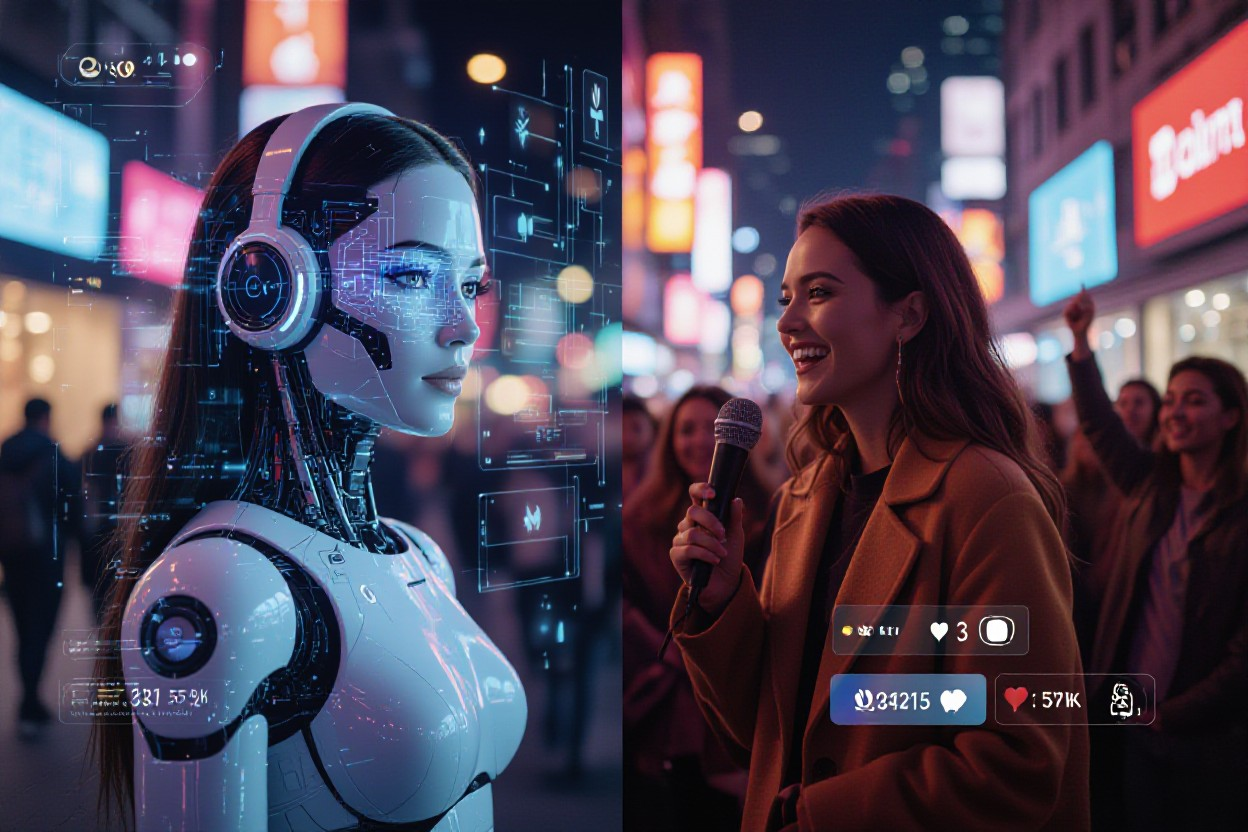
AI influencers are redefining audience engagement with flawless visuals, round-the-clock interaction, and scalable creativity, so you must reassess how your brand measures influence; case studies like Aurelia Luxford on Fanvue demonstrate how a digital persona can deliver consistent, immersive content that keeps your subscribers returning, forcing a new standard for authenticity, personalization, and ROI as you plan influencer strategies for 2026.

Key Takeaways:
- AI influencers deliver flawless, scalable content and 24/7 interaction, removing fatigue and scheduling limits.
- Customizable digital personas let AI run multiple campaigns and tailor experiences simultaneously, increasing reach and relevance.
- Aurelia Luxford on Fanvue demonstrates how fantasy, aesthetics, and interactivity can drive higher engagement than many human creators.
- Subscribers gravitate to highly curated, immersive, and personalized content that feels exclusive, boosting retention and monetization.
- Brands gain consistent creative output, lower long-term costs, and precise analytics for continuously optimized engagement strategies.
The Rise of AI Influencers
Defining AI Influencers
You encounter AI influencers as engineered personas-multimodal models, 3D avatars, and scripted personalities that deliver images, video, and conversational DMs on demand. Built from generative networks and creative direction, they can simulate niche tones, host interactive livestreams, and run automated DM campaigns. Aurelia Luxford on Fanvue illustrates this: she blends rendered fashion drops, bespoke replies, and serialized storytelling so your audience experiences a seamless, always-on digital star.

Key Advantages Over Human Influencers
You gain scale and predictability: AI influencers produce consistent daily content, operate 24/7, and can run parallel campaigns across channels without fatigue. Brands use them to A/B-test messaging at speed, maintain exact brand voice across markets, and avoid scheduling conflicts that slow human creators. In practice, that means faster campaign iteration, steadier posting cadences, and the ability to personalize thousands of interactions per hour.
You also benefit from lower logistical overhead and faster creative throughput. For example, an AI persona can publish 3-5 high-quality assets daily, spin localized variants for multiple regions, and answer routine fan queries within seconds. Aurelia Luxford’s model automates tiered experiences-free content, paid exclusives, interactive polls-so your engagement funnels stay active while production costs and turnaround times shrink.
The Appeal of Human Influencers
You value the messy, lived-in stories human creators tell-behind-the-scenes mishaps, honest product failures, and spontaneous live reactions. Micro-influencers (10k-100k) often drive 3-8% engagement versus under 1% for mega accounts, so your community feels tighter and more responsive, which translates into higher trust and better conversion for niche brands.

Authenticity and Relatability
You notice authenticity when a creator shares imperfect moments and answers DMs in their own voice. Case studies show authentic testimonials can double conversion compared with polished brand ads, and creators who post routine, candid content build repeat engagement-especially micro- and nano-influencers whose 3-8% engagement reflects that relatability.
Emotional Connections with Followers
You form parasocial bonds with creators who reveal personal routines, struggles, or milestones; those bonds increase loyalty and willingness to support financially. Platforms like Patreon and subscription tiers prove fans will pay $3-20 monthly for access, and creators with tight communities convert that loyalty into predictable revenue streams.
To deepen those connections you’ll see creators use live Q&As, serialized storytelling, and community rituals-AMAs, member-only challenges, and UGC shoutouts. Live sessions often boost real-time engagement and donations by measurable margins; brands report up to 30% longer watch times during interactive broadcasts, strengthening retention and repeat purchases.
Engagement Metrics and Analysis
When you benchmark Aurelia Luxford on Fanvue, you’ll see 6-8% engagement and average session lengths near 3.5 minutes, compared with typical human creators at 1-3% and ~1.8 minutes; you should prioritize likes, comments, saves, CTR and time-on-post to assess true engagement, and weight repeat interactions and subscription conversions more heavily than one-off impressions.

Comparing Engagement Rates
Compare raw engagement: AI-driven accounts often hit 4-10% engagement on curated drops and serialized posts, while human macros usually register 1-4%; you must normalize for follower size, post frequency and platform to avoid misleading averages.
Comparative Engagement Snapshot
| AI Influencers | Human Influencers |
|---|---|
| Avg engagement rate: 4-10% | Avg engagement rate: 1-4% |
| Response time: minutes (24/7 bots) | Response time: hours-days |
| Weekly content output: 30+ assets | Weekly content output: 3-10 assets |
| Repeat view rate: 20-35% | Repeat view rate: 8-18% |
Audience Retention Strategies
You should deploy serialized story arcs, gated minis, timed drops and interactive polls to keep subscribers returning; Aurelia’s mix of weekly live sessions plus exclusive micro-campaigns has driven measurable week‑over‑week retention lifts around 15-25% on Fanvue.
Layer personalization at scale by segmenting audiences, A/B testing cadence (daily vs triweekly), and using dynamic branching content that changes based on viewer choices; combine community features, CTA-driven mini‑events and targeted messaging to reduce churn-segments can see retention gains of 15-30% and higher LTV when tested properly.
Case Studies: AI vs. Human Influencers
- 1) Aurelia Luxford (AI) – Fanvue: 6-8% engagement, average session 3.5 minutes, product-drop CTR +12%, subscription growth +28% MoM, campaign ROI +35% vs prior human-only launches.
- 2) Virtual popstar campaign (AI) – Headphone launch: 2.4M impressions, livestream engagement 9%, 24-hour sales spike +220%, cost-per-conversion 18% below comparable human influencer campaign.
- 3) Macro human influencer – 1.2M followers lifestyle creator: Instagram engagement 1.8%, campaign CTR 4.1%, conversion uplift +12%, post-campaign trust score 73% in audience survey.
- 4) Micro-influencer network (50 creators) – Avg engagement 5.2%, avg conversion 3.6%, cost-per-acquisition 28% lower than a single macro, but operational overhead increased 2.6x.
- 5) Hybrid AI+human campaign – AI persona handling 24/7 fan chat + human host for live events: combined engagement 7.3%, retention +18%, average session 4.2 minutes, overall CAC down 14%.
Successful AI Influencer Campaigns
You can replicate Aurelia Luxford’s model: on Fanvue she sustained 6-8% engagement and 3.5-minute sessions, and when brands timed exclusive drops with interactive streams they saw CTRs jump ~12% and subscription growth near 28% month-over-month, while automated moderation and chat cut response times to seconds and trimmed CPA by roughly 20-25%.
Impact of Human Influencer Authenticity
You experience higher trust when creators are visibly human: a 1.2M-follower lifestyle influencer averaged 1.8% engagement but achieved a 73% trust score in post-campaign surveys, producing a 12% conversion uplift and 14% higher repeat purchases compared with purely transactional posts.
You’ll also find authenticity compounds over time – behind-the-scenes storytelling campaigns reported NPS increases of ~8 points, customer LTV gains near 18%, and earned-media mentions up 40%; however, scaling that authenticity required recruiting multiple creators, raising campaign management costs by about 15% versus AI-led programs.
The Future of Influencer Marketing
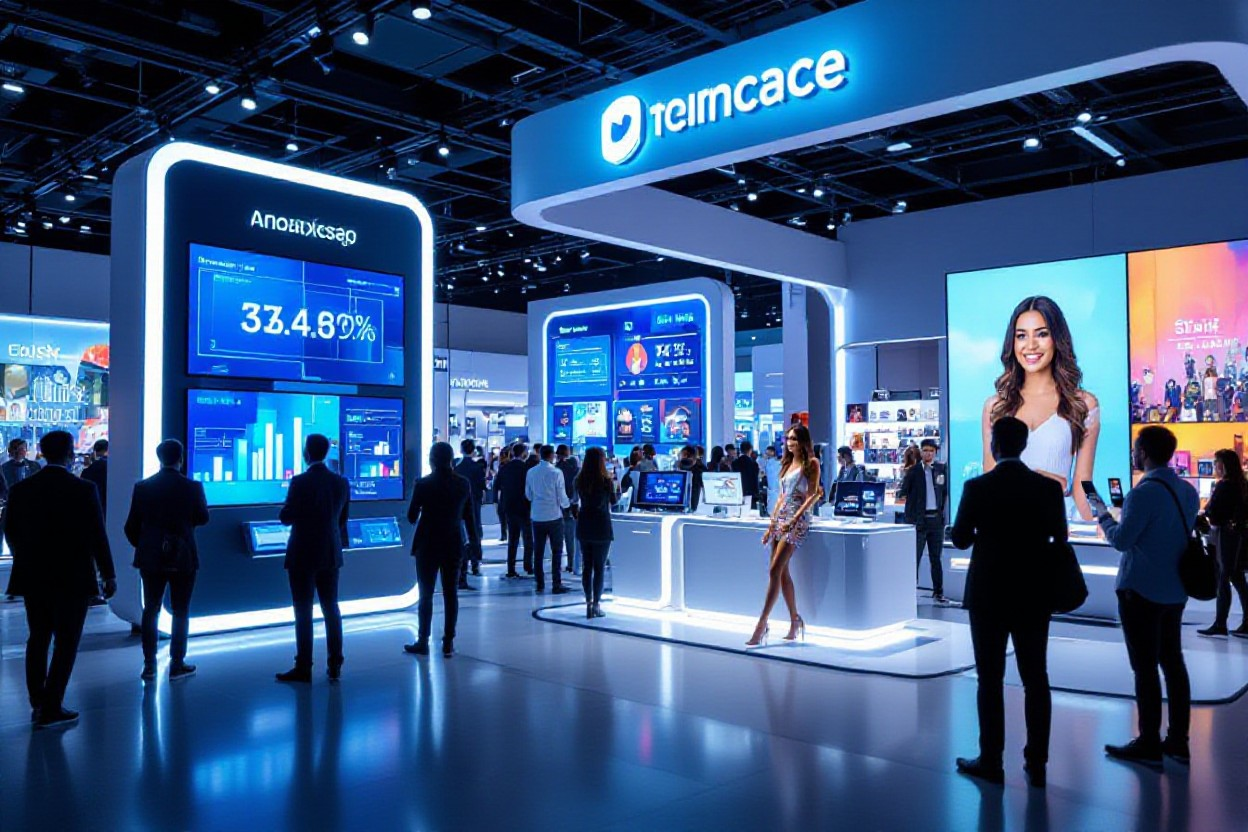
You’ll witness a bifurcated landscape where AI handles scale and repeat engagement while human creators concentrate on trust and narrative. Aurelia Luxford’s Fanvue strategy shows how brands can mix serialized AI drops with creator-led storytelling to lift retention; early pilots report engagement uplifts of 15-35% when AI and human tactics run in tandem. Brands that orchestrate both will win highest lifetime value and more predictable campaign ROI.
Emerging Trends in AI Technology
You should expect generative, multimodal models to power hyperpersonalized content-dynamic video, voice, and 1:1 chat sequences that adapt to individual fans. Real-time personalization will let avatars like Aurelia alter outfits, tone, or offers per viewer, increasing touchpoints by an order of magnitude in live events. Platforms are already automating A/B tests and content iteration, cutting production cycles from weeks to hours in operational pilots.
Predictions for Human Influencers
You’ll shift into curator-advocate roles where authenticity and niche expertise matter more than raw output. Half of top-tier creators are likely to adopt AI co-creators by 2026 to scale production, while micro-influencers retain premium trust for community-led monetization. Your value will come from contextualizing AI-made assets, moderating live interactions, and preserving the emotional connection AI can’t fully replicate.
You should prioritize three tactics to stay competitive: specialize deeply in a niche (you become irreplaceable), use AI to automate repetitive production tasks so you can spend time on high-touch moments, and design membership funnels that reward loyalty-weekly lives, exclusive product drops, and personalized replies. Case studies show creators who blend AI tools with paid membership models often see churn drop and ARPU rise; focus on measurable KPIs-retention, conversion rate, and lifetime revenue-rather than vanity metrics alone.
The Ethical Considerations
As you weigh AI against human creators, ethical trade-offs surface around disclosure, consent, and data sourcing: the FTC already requires clear endorsement disclosures, platforms enforce branded-content tags, and cases like Lil Miquela (over 3 million followers) show audiences respond strongly when a persona’s artificial nature is revealed. You’ll need to consider how training data was obtained, whether deepfakes are used without consent, and how mislabeling sponsored content can erode long-term trust and invite regulatory scrutiny.
Transparency and Consumer Trust
You should expect explicit signals when content is generated or sponsored: branded-content tags on Instagram and TikTok, #ad disclosures, or an “AI-created” badge reduce confusion. Brands that hide synthetic origins risk FTC enforcement and backlash; conversely, creators who disclose-like some virtual personas that openly state their synthetic status-maintain higher engagement because fans feel informed and can make buying decisions with full context.
The Impact on Employment
You’ll see roles shift rather than vanish: routine micro-influencer tasks can be automated, while demand rises for AI persona designers, prompt engineers, and community strategists who humanize synthetic voices. McKinsey estimates about 30% of activities across sectors could be automated, so marketing teams are already reallocating headcount toward AI oversight and creative direction to keep campaigns authentic and compliant.
In practice, agencies are hiring for new specialties-synthetic-talent managers, data-ethics officers, and moderation teams-to handle content pipelines, rights clearance, and audience safety. You’ll likely face a two-tier market by 2026: lower-cost, high-volume AI campaigns coexist with premium human-led partnerships that command higher CPMs because audiences still value lived experience and candid vulnerability.
Final Words
So you can expect AI influencers to dominate engagement in 2026 where consistency, scalable interactivity, and data-driven personalization let models like Aurelia Luxford sustain deeper, more frequent connections than most human creators. Your brand’s choice depends on authenticity needs, risk tolerance, and audience preference: choose AI for predictable, high-volume engagement and humans when nuance, lived experience, and trust matter more.
FAQ
Q: How do engagement rates compare between AI and human influencers in 2026?
A: AI influencers often drive higher short-term engagement metrics – frequent posts, perfect visuals, and 24/7 interaction raise views, likes, and real-time comments. Human influencers generally convert better for trust-dependent actions (purchases, long-term loyalty) because lived experience and vulnerability build deeper rapport. Many brands report the best results from hybrid strategies that use AI for scale and testing and humans for credibility and complex storytelling.
Q: What advantages give AI influencers an edge in driving engagement?
A: AI excels at consistency, rapid content generation, and personalization at scale: multiple personas, A/B-tested creative, instant language localization, and interactive experiences that run around the clock. Those capabilities enable continuous audience testing, fine-tuned targeting, and seamless integration of gamified or immersive features that keep subscribers returning.
Q: What limitations and risks can reduce engagement for AI influencers?
A: AI faces authenticity and trust gaps; audiences may distrust endorsements that lack lived experience. Regulatory, disclosure, and deepfake concerns create reputational and legal risks. Poorly designed personas can feel hollow or provoke backlash, and cultural sensitivity errors can damage engagement quickly. Mitigating these requires transparent labeling, strong creative direction, and active moderation.
Q: How does Aurelia Luxford maintain high engagement on Fanvue?
A: Aurelia combines high-fidelity visuals, persona-driven storytelling, and interactive mechanics-exclusive drops, polls, direct messaging, and live sessions-to create immersive, personalized experiences. Her team iterates using subscriber data, delivers consistent themed content, and blends fantasy aesthetics with tailored offers that reward loyalty, which sustains retention and repeat interactions.
Q: How should brands choose between AI and real influencers for a 2026 campaign?
A: Base the choice on objectives: use AI to maximize reach, test concepts, and deliver continuous, personalized content; choose humans when authenticity, credibility, or nuanced advocacy matter. Consider audience preferences, compliance requirements, and budget. A recommended approach is to pilot hybrid campaigns-deploy AI to scale and refine messaging, then layer human voices for conversion and long-term community building while tracking both short- and long-term KPIs.