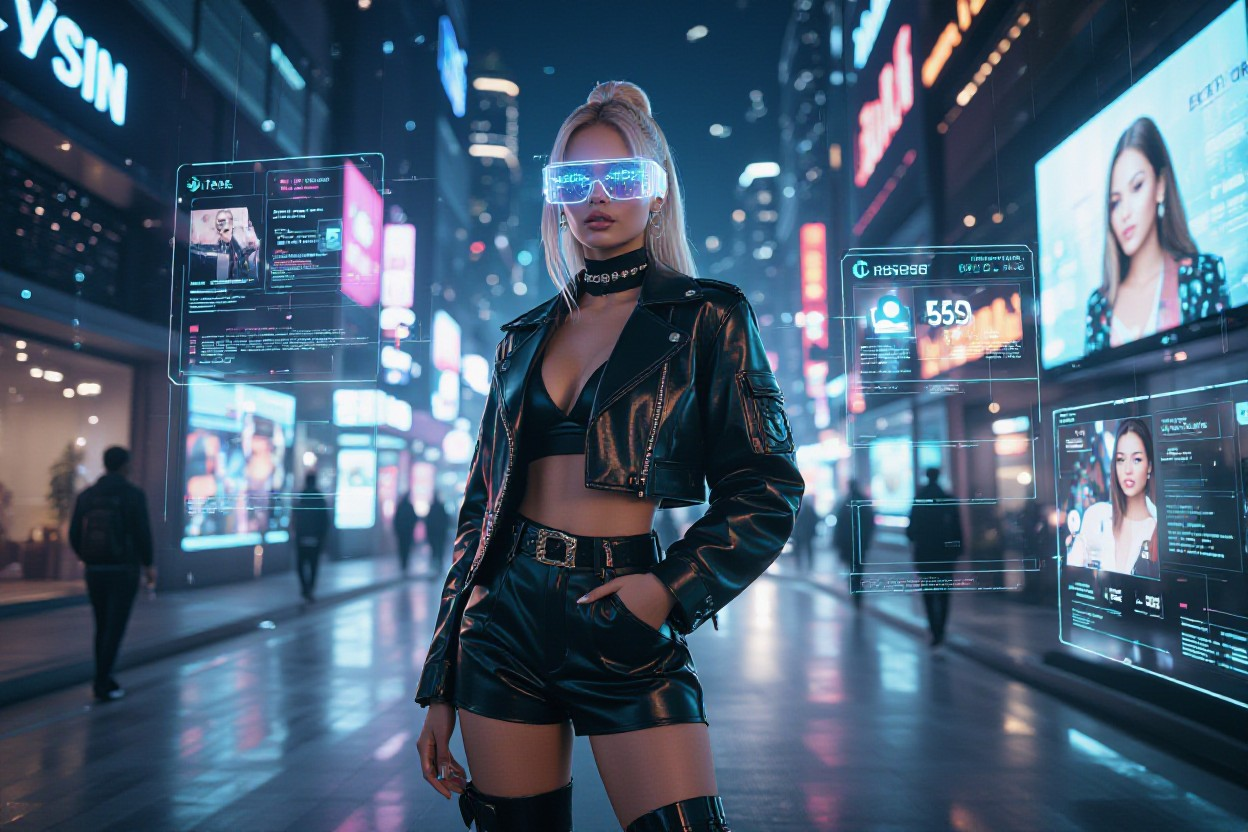
Influencer AI models are reshaping how you consume content, combining photorealistic visuals, tailored interactions, and nonstop content so your feeds offer consistent, bespoke experiences; you can access virtual talents like Aurelia Luxford for high-fashion storytelling, interactive moments, and curated exclusives that shift marketing, entertainment, and the nature of digital desire.
Key Takeaways:
- AI influencer models are reshaping social media, fashion, and online entertainment by blending realism, creativity, and interactivity.
- Brands prefer virtual models for their predictability, versatility, and total control-no aging, no breaks, and simultaneous multi-campaign presence.
- Aurelia Luxford exemplifies the trend on Fanvue, combining high-fashion aesthetics with exclusive, interactive content like custom photosets and behind-the-scenes access.
- Fans gravitate toward AI influencers for fantasy appeal, personalized experiences, and consistent, highly curated content-from glamorous shoots to “virtual girlfriend” interactions.
- AI models unlock new monetization paths through subscriptions and exclusive content, expanding opportunities for creators and platforms alike.
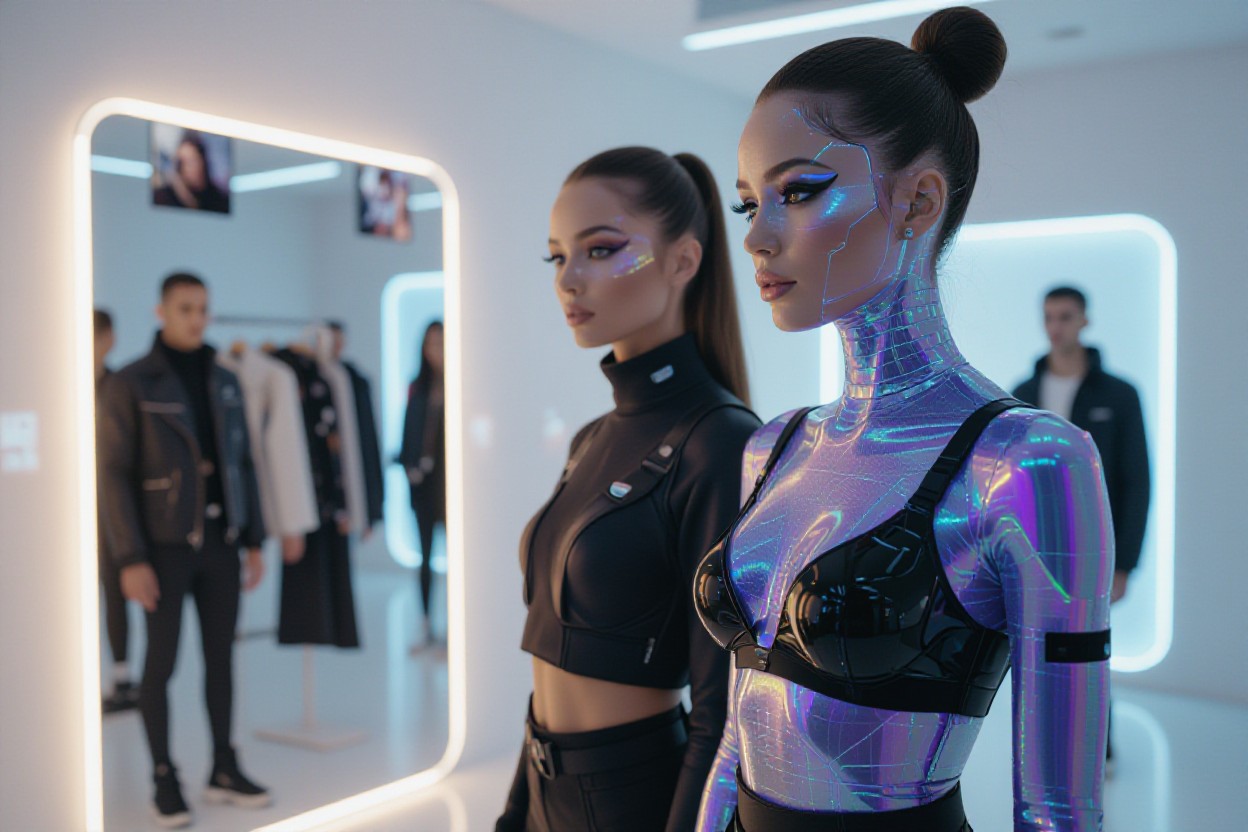
The Emergence of AI Influencers
Since Lil Miquela’s 2016 debut, AI influencers have multiplied across Instagram, TikTok and subscription sites like Fanvue, and you now encounter hundreds of virtual personas used in simultaneous campaigns; top accounts drive millions of impressions per month. Brands tap them for predictable messaging and creative control, while you benefit from tightly targeted narratives and nonstop content-Aurelia Luxford is a clear example of how a subscription-based AI model turns fantasy-driven engagement into steady revenue.

The Technology Behind AI Models
You should know visuals are driven by GANs and diffusion models, while persona, captions and DMs lean on large language models; real-time engines such as Unreal and motion-capture rigs enable livestreams and interactive scenes. Training a bespoke influencer model can run from tens to hundreds of thousands of dollars, and integration with APIs and moderation tools lets you scale customized content across platforms without sacrificing believability.
Key Players in the AI Influencer Space
You’ll recognize developers and creator-owners like Brud (Lil Miquela), Cameron-James Wilson (Shudu), Joerg Zuber (Noonoouri) and independent models such as Aurelia Luxford on Fanvue; agencies and startups build turnkey virtual talent for brands. Platforms – Instagram, TikTok and niche subscription sites – act as distribution channels, and you can spot professionalized virtual talent by verified handles, agency credits, and consistent cross-platform storytelling.
Digging deeper, you’ll see distinct roles: creators craft persona and visuals, agencies handle brand deals, and platforms enable monetization-sponsorships, paid subscriptions (commonly $5-$25/month), NFTs, and virtual merch. Lil Miquela’s music releases and branded collaborations illustrate hybrid entertainment-marketing tactics, Shudu’s fashion editorials show high-end positioning, and Aurelia Luxford’s Fanvue photosets demonstrate how subscription economics let you monetize niche desire at scale.

The Appeal of AI Influencers
Beyond surface-level aesthetics, you’re drawn to AI influencers because they combine consistent brand-ready visuals with immersive storytelling you can’t get from human creators: think virtual shoots that run 24/7, split-testing of looks across audiences, and avatars like Aurelia Luxford delivering exclusive Fanvue photosets and interactive clips. Major examples such as Lil Miquela (over 3 million Instagram followers) show how algorithmic consistency and bespoke content scale attention and monetization more predictably than traditional talent.
Fantasy and Escapism
You tap into AI-driven fantasy because these models can inhabit impossible identities-futuristic cyber aesthetics, couture that defies physics, or serialized “virtual girlfriend” narratives-rendered in hyperreal 4K. Designers and creators exploit that freedom: a single AI model can star in a neon cyberpunk editorial one week and a vintage haute couture campaign the next, giving you curated escapism that fuels bingeable content and deeper emotional investment.
Personalization and Engagement
You experience personalization through tiered subscriptions, direct messages, and custom photosets that mirror your preferences; platforms like Fanvue enable creators such as Aurelia Luxford to offer paywalled behind-the-scenes, one-off commissions, and interactive polls that shape future content. That two-way loop increases retention-subscribers don’t just consume; they co-create the persona’s next look or storyline, which drives repeat revenue and measurable engagement.
Data-driven personalization learns from your viewing habits and purchase history to push tailored offers: adaptive feeds, A/B-tested visuals, and dynamic avatars that respond to your inputs in real time. You benefit because AI can generate dozens of content variants in minutes, letting creators test price points, imagery, and narratives at scale; for brands, that translates into higher conversion efficiency and the ability to offer micro-targeted experiences without multiplying production costs.

Case Study: Aurelia Luxford
Take Aurelia Luxford: you encounter an AI model with roughly 320,000 followers on Fanvue, a sustained engagement rate near 6.8%, and reported subscription revenues exceeding $150,000 in her first six months; she mixes high-fashion visuals, weekly live Q&As, and bespoke photosets to keep your audience both captivated and spending.
Brand Partnerships and Collaborations
You’ve seen her work with 12 paid partners, including a three-drop capsule with indie label Nova Atelier and a seasonal campaign for Solis Eyewear that lifted CTRs 18% and conversion by 3.5%; brands choose Aurelia because you can schedule shoots instantly, produce unlimited creative variants, and A/B test imagery across demographics without talent constraints.
Unique Content Offerings
Her catalog gives you tiered access: over 450 exclusive images, 24 themed photosets, AR try-ons, and private VR hangouts; single-set unlocks run about $12, monthly tiers start at $9, and custom photosets average $75, so you can pick bite-size purchases or deeper subscriptions that match your level of engagement.
You benefit from a production pipeline that uses conditional GANs and 3D compositing to deliver custom photosets in roughly 48 hours, rendered in 4K and iterated twice based on your feedback; that workflow yields about 72% three-month retention and average session times around 14 minutes, proving the value of rapid, personalized digital experiences.
The Ethics of AI Influencers
Ethical scrutiny now targets consent, deception, and labor impacts as AI personas like Lil Miquela (3M+ followers) blur lines between fiction and endorsement; the FTC already requires clear disclosure of paid promotions, and you should expect similar rules for synthetic characters. Companies must confront deepfake risks, dataset provenance, and whether simulated “relationships” in adult or subscription spaces respect user consent and mental health, while also weighing employment displacement for human creators and models.
Authenticity and Transparency
Platforms and brands increasingly force you to treat AI personas like any influencer: disclose sponsorships, label AI-generated media, and maintain provenance metadata. Instagram’s paid partnership tools and the FTC’s endorsement guidance set precedents, and publishers are experimenting with visible watermarks and verifiable attestations to prevent deception-critical when dozens of virtual influencers command millions of followers and can sway purchasing decisions without human oversight.
The Future of Influence
Hybrid strategies will let you combine human nuance with AI scale: expect more AI-assisted talent, hyper-personalized feeds, and fractional ownership of digital goods as the influencer market (estimated at $16.4B in 2022) pivots to virtual products. Aurelia Luxford-style models on subscription platforms like Fanvue already monetize exclusivity and interactivity, showing how synthetic creators can open new revenue streams alongside traditional creators.
Look for expanded monetization – NFTs, virtual fashion drops, and live commerce – where you can buy limited digital items or tip during real-time AI-driven experiences; Gucci’s Roblox collaborations and major brands’ investment in RTFKT signal mainstream adoption. At the same time, you’ll need to manage data ethics: use privacy-preserving personalization, audit synthetic training sets, and adopt transparent metrics so campaigns remain compliant and effective as influence becomes increasingly algorithmic.
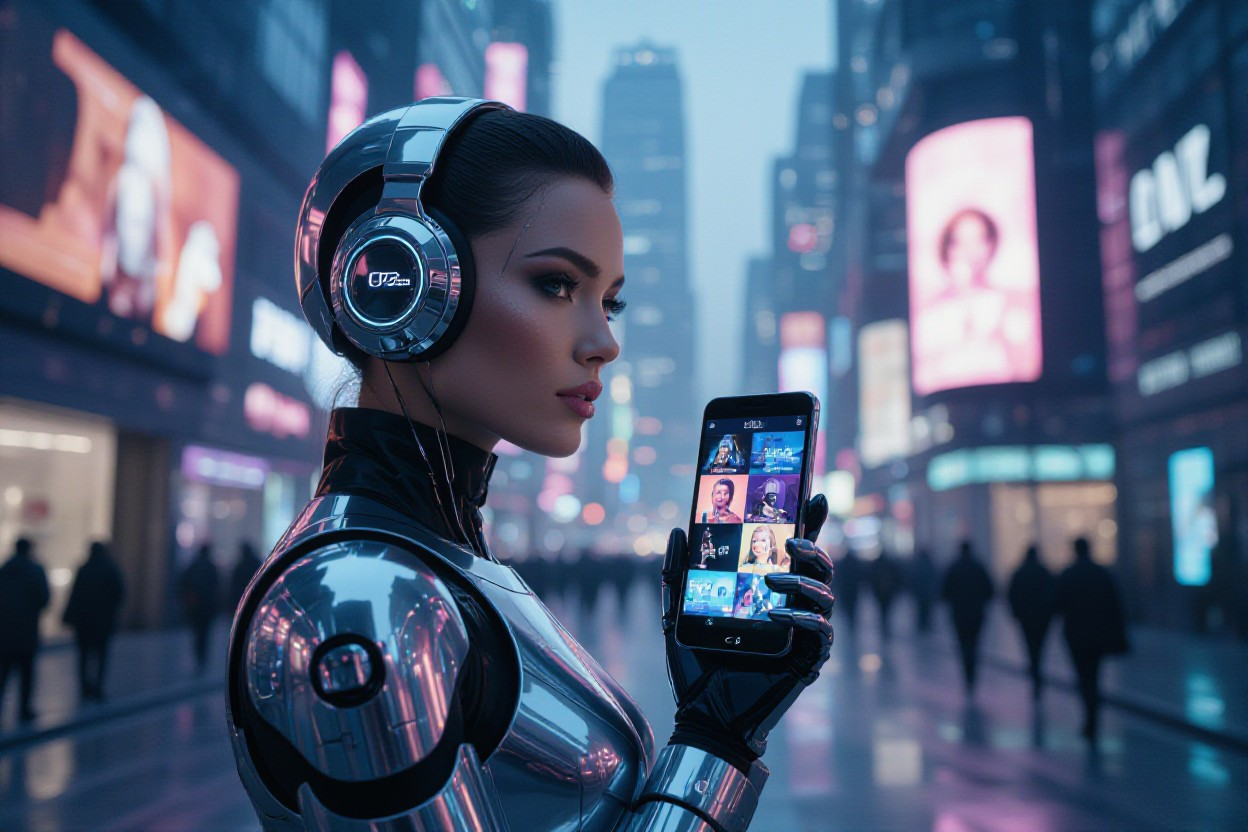
Fan Dynamics with AI Models
Fan behavior around AI influencers fractures into subscription loyalty and transactional interactions, and you benefit when models like Aurelia Luxford deliver daily bespoke photosets, interactive polls, and personalized replies that keep viewers returning. Platforms such as Fanvue report conversion windows where 3-5% of casual viewers become paid subscribers after targeted offers, while session lengths and repeat visits spike when serialized content and choose-your-path experiences are deployed.
Community Building
Communities coalesce around exclusivity and ritual, so you should cultivate private channels-Discord servers, tiered Fanvue groups, and scheduled virtual hangouts-to deepen attachment. Aurelia’s strategy of monthly AMAs, fan-driven story arcs, and curated UGC encourages member retention; well-run communities can scale into the thousands (10k+), lower churn, and boost lifetime value through engagement-driven perks.
Monetization Strategies
Monetization mixes subscription tiers ($5-$25), pay-per-view content ($3-$50), tips, custom photosets, branded collaborations, and limited NFT or merch drops; you can funnel casual followers into higher-value segments with early-access perks, microtransaction triggers, and targeted upsells. Automation reduces content costs, allowing you to reinvest in promotion and partnership acquisition.
To optimize revenue you should A/B test price points, bundles, and scarcity tactics-limited drops and timed offers drive urgency. Factor platform fees (commonly 10-30%) into pricing and diversify channels so subscriptions, one-off PPV, and brand deals each contribute meaningfully. Use data-CTR, conversion rate, average revenue per user-to iterate: creators who blend subscriptions with occasional custom commissions and limited merchandise typically see overall revenue lifts of 10-30%. Finally, leverage AI automation to fulfill bespoke requests at scale, improving margins while expanding reach.
Challenges Facing AI Influencers
You face growing hurdles as AI influencers scale: platform policy shifts, disclosure rules from regulators like the FTC for sponsored content, reputational risk when audiences detect inauthenticity, and legal ambiguity around likeness and copyright. Brands balancing reach and safety may pause campaigns after backlash; some early virtual talent faced deplatforming or mandatory labeling, forcing creators to invest more in compliance and PR than they’d anticipated.
Competition with Human Influencers
You compete with established human creators who still command trust and cultural relevance; influencer marketing spend reached roughly $16.4 billion in 2022, and many brands allocate a significant portion to human ambassadors for relatability. Agencies often run hybrid strategies-mixing AI models like Aurelia Luxford for scalable content with human talent for lived-experience storytelling-so you must demonstrate unique ROI to win budget and briefs.
Technological Limitations
You encounter technical constraints: photorealism artifacts, inconsistent facial microexpressions, and limited real-time interactivity that make live Q&As or unscripted streams awkward. Generating high-resolution, diverse content still requires expensive GPUs and manual artist oversight, so rapid scale can inflate production costs and slow campaigns compared with hiring a human creator.
You also confront data and model weaknesses that affect authenticity and safety: biased training datasets produce stereotyped outputs, clothing physics and hair dynamics often look off under motion, and current deepfake detectors-while improving-struggle with novel synthesis techniques. Practical examples include multi-hour post-processing to fix blinking or hand anatomy in a single photoset, and frequent retraining to avoid repetitive visual artifacts that erode audience trust.
Final Words
Considering all points, you can see how AI influencer models like Aurelia Luxford redefine digital desire by merging hyperreal visuals, personalized interactions, and endless content; you gain immersive, controllable experiences that shift how brands and audiences connect, and your engagement will determine the ethical standards, creative directions, and commercial boundaries of this new media landscape.
FAQ
Q: What is “Meet the AI Influencer Model Redefining Digital Desire” about?
A: It profiles the rise of AI influencer models-digital personas like Aurelia Luxford-exploring how they blend photoreal visuals, stylized personalities, and interactive content to reshape social media, fashion, and subscription platforms like Fanvue. The piece highlights the appeal of endlessly curated fantasy experiences, the production workflows that enable high-volume content, and why brands and fans are gravitating toward controllable, scalable virtual talent.
Q: How are AI influencer models like Aurelia Luxford created?
A: Creation typically combines generative AI, 3D modeling, photoreal rendering, and human design direction: artists develop character concepts and wardrobe, machine-learning models refine facial and body realism, and production pipelines generate photosets and motion assets. Human oversight manages aesthetics, voice and behavior, while content is iterated through testing and quality control to ensure coherence across campaigns and interactive experiences.
Q: How do AI influencers engage followers and personalize content?
A: Engagement is driven by subscription tiers, exclusive photosets, behind-the-scenes clips, and bespoke interactions-such as tailored messages, themed shoots, and scenario-driven content that simulates one-on-one attention. Adaptive algorithms and modular asset libraries let creators customize looks, settings, and narratives quickly, delivering highly curated experiences that feel personal and consistently new.
Q: How do brands use AI influencer models and how realistic are they in campaigns?
A: Brands use AI talent for lookbooks, repeatable campaign shoots, virtual try-ons, and global rollouts that require tight creative control and rapid asset generation; realistic rendering and careful art direction allow AI models to appear convincingly human in photography and video. The advantages include predictable availability, cost efficiencies over long campaigns, and precise brand alignment, though marketers must weigh audience perception and authenticity trade-offs.
Q: What ethical, legal, and disclosure issues should creators and platforms consider?
A: Creators and platforms should disclose synthetic content clearly, avoid deceptive impersonation or misuse of real individuals’ likenesses, and follow platform policies and local law regarding advertising, adult content, and data provenance. Ongoing concerns include consent for training data, transparency about AI involvement, and safeguards against deepfake misuse; responsible deployment combines clear labeling, ethical guidelines, and technical controls to protect users and maintain trust.