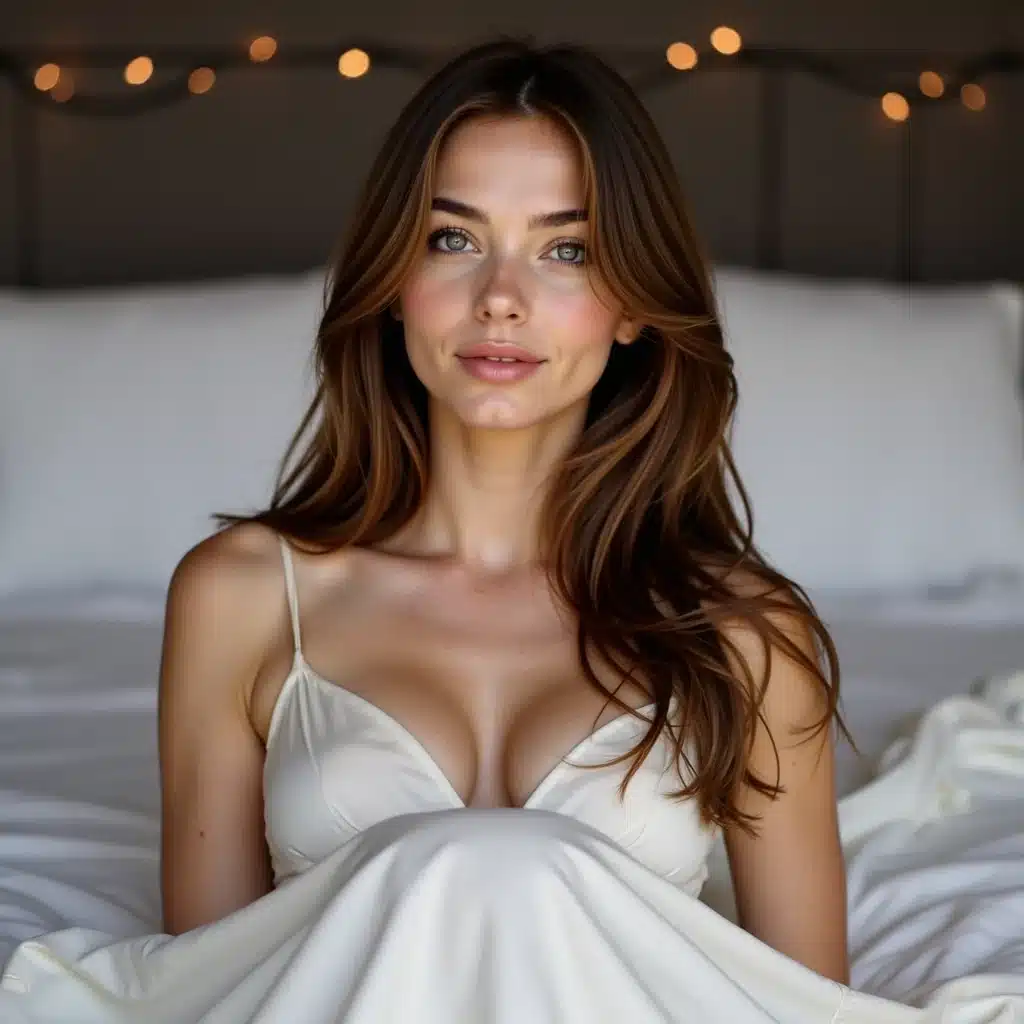
AI fashion icons are redefining the fashion world, and you should understand how their flawless looks, limitless creativity, and interactive potential reshape marketing, social media, and lifestyle content. You encounter their versatility and consistency in digital campaigns, where figures like Aurelia Luxford on Fanvue blend high-fashion shoots, immersive scenarios, and digital couture to deliver aspirational visuals and sustained engagement that transform how your audience discovers and interacts with style.
Key Takeaways:
- Limitless creativity – AI icons enable imaginative styling and digital couture that can shift instantly between personas and concepts.
- Consistency and scale – they deliver high-quality, fatigue-free content at volume, ensuring a uniform brand presence across channels.
- New marketing and revenue paths – platforms like Fanvue let AI icons monetize exclusive shoots and interactive scenarios, expanding brand opportunities.
- Stronger fan engagement – novelty, interactivity, and aspirational visuals (exemplified by Aurelia Luxford) boost loyalty and shareability.
- Industry transformation – AI models speed up campaigns, lower production costs, and change roles in modeling, design, and content workflows while raising ethical and technical questions.
The Rise of AI Fashion Icons
Since 2016 you’ve watched virtual personalities move from novelty to industry tools, driven by CGI advances and social platforms that reward constant content; pioneers like Lil Miquela (launched 2016) and Shudu (2017) proved multi-million‑follower reach is possible, and brands now test avatars for campaigns, lookbooks, and limited drops. You’ll notice AI icons shorten production cycles and sustain 24/7 engagement, letting teams iterate styles and narratives far faster than traditional shoots.

 Definition and Origins
You should treat AI fashion icons as algorithmically generated personas-CGI characters, GAN- or diffusion-powered renders, and scripted social identities-born from the convergence of digital modeling, influencer marketing, and game-engine real‑time rendering; the concept traces to early CGI models and the 2016-2018 wave when creators began publishing serialized narratives and brand collaborations on Instagram.
Popular Examples
You already know a few names: Lil Miquela, Shudu, Noonoouri and newer figures like Aurelia Luxford, whose Fanvue presence combines exclusive shoots and interactive scenarios; these avatars operate across Instagram, TikTok and subscription platforms, attract multi‑platform audiences, and are licensed for editorial spreads, virtual shows, and product partnerships.
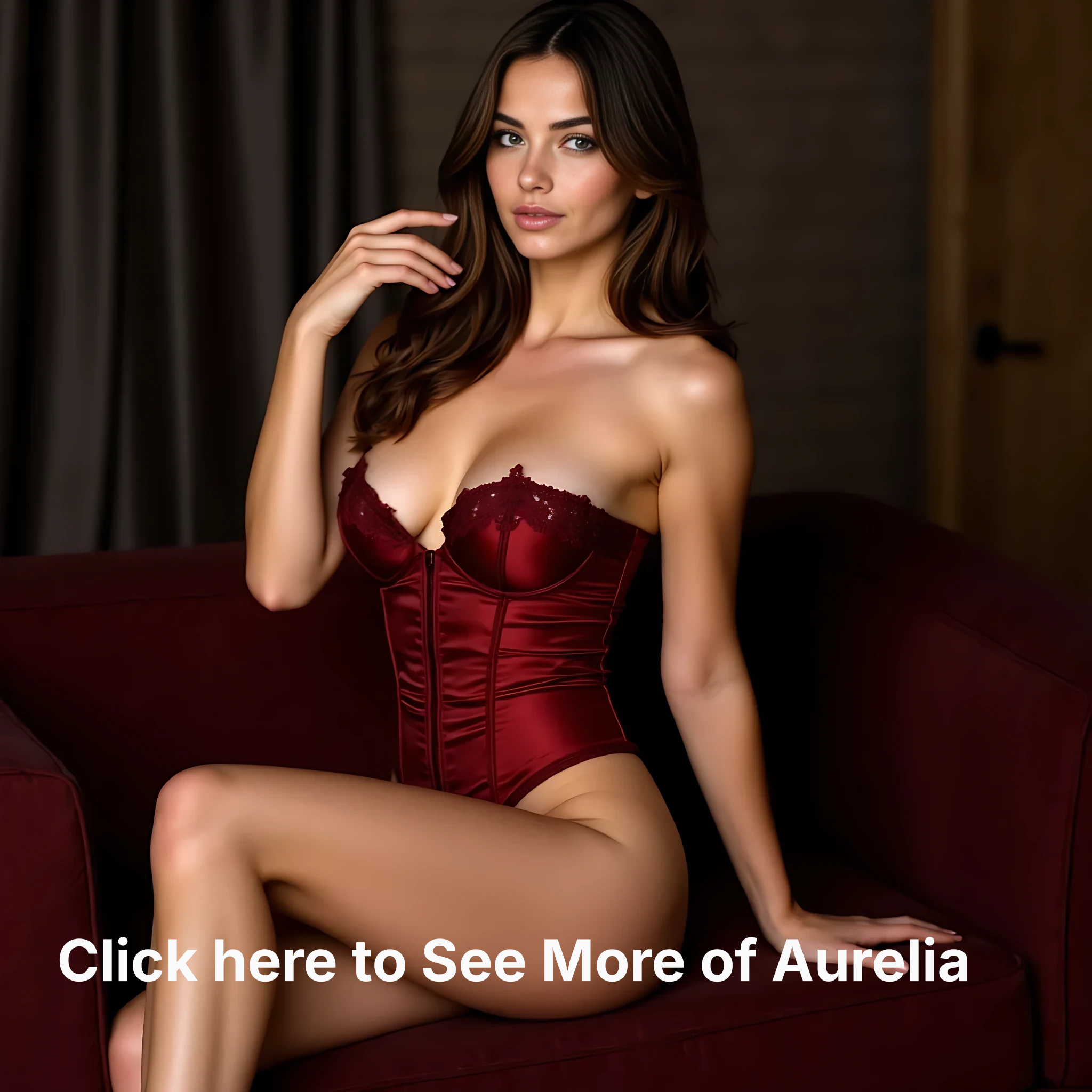
Delving deeper, you’ll find varied monetization and use cases: Lil Miquela established narrative-driven brand tie‑ins, Shudu emphasized high‑fashion editorials, Noonoouri partnered with luxury labels, and Aurelia leverages Fanvue for subscription‑based digital couture-showing how avatars can serve PR, direct‑to‑fan revenue, NFT drops, and rapid A/B testing of styles within days rather than weeks.
The Impact on Marketing Strategies
You can retool campaigns around continuous content: instead of quarterly shoots you run daily drops, A/B test 30-50 creatives per month, and reduce production costs by up to 70%. Performance metrics shift from reach to engagement velocity-brands report 20-60% higher post engagement with AI-led visuals. Use this data to accelerate product-market fit, personalize ads at scale, and reallocate media spend to top-performing creative in near real time.
Brand Collaborations
You can co-create limited digital capsules with AI icons in days rather than months, enabling rapid market tests and micro‑drops. Agencies have produced 20-80 virtual looks per campaign versus 3-5 traditional sets, letting you iterate styles using heatmaps and purchase intent signals. Combine shoppable Fanvue content, AR try‑ons, and white‑label drops to boost click‑throughs-early adopters report 15-40% uplifts in CTR and faster inventory decisions.
Influencer Marketing Evolution
You’ll shift from unpredictable influencer calendars to consistent, scalable storytelling: an AI icon delivers controlled messaging, predictable cadence, and 24/7 availability. Measurement becomes granular-track creative variants, session duration, and micro-conversions-so you can optimize by persona. Blending AI and human creators often raises ROI by enabling continuous testing and hyper‑targeted aesthetics for niche cohorts.

You should operationalize this by setting KPIs (CTR 1-3%, conversion 2-6%, CPA targets) and running multivariate tests across static, short video, and interactive formats. Retarget users who engage with Aurelia’s drops using pixel data, then shift budget to top-performing looks. Over time, faster creative cycles lower CPA while persona-driven messaging lifts repeat purchase rates and lifetime value.
Redefining Beauty Standards
You’re witnessing a shift where beauty is engineered, not just photographed: AI lets designers blend features, ages, and styles with pixel precision so models can represent hybrid identities unseen in traditional casting. Since 2016 virtual personalities have pushed this boundary, and examples like Aurelia Luxford show how digital couture and interactive storytelling expand the palette of what your audience accepts as aspirational beauty.
Diversity and Representation
You can scale representation with AI by generating dozens of nuanced skin tones, facial structures, and body types for rapid testing; brands use these permutations to evaluate campaign resonance across demographics. Aurelia Luxford’s platform experiments with multiple personas and looks, demonstrating how targeted, inclusive imagery can be produced consistently without the logistical limits of traditional shoots.
CGI vs. Real Models
You’ll need to balance control and authenticity: CGI gives you consistency, instant wardrobe changes, and the ability to iterate visuals in hours, while real models provide lived expression, tactile fit, and cultural context that algorithms don’t replicate. Both formats are complementary-used together they let you A/B test creative directions and optimize for engagement and conversion.
You should weigh practical trade-offs: CGI reduces reshoot costs and enables hyper-personalization at scale, but it raises questions about relatability, casting equity, and on-set employment. Consider hybrid campaigns-use a CGI icon like Aurelia Luxford for digital-first drops and human talent for experiential events-so you preserve real-world connection while leveraging the speed and versatility of virtual talent.
Engagement and Interactivity
Social Media Presence
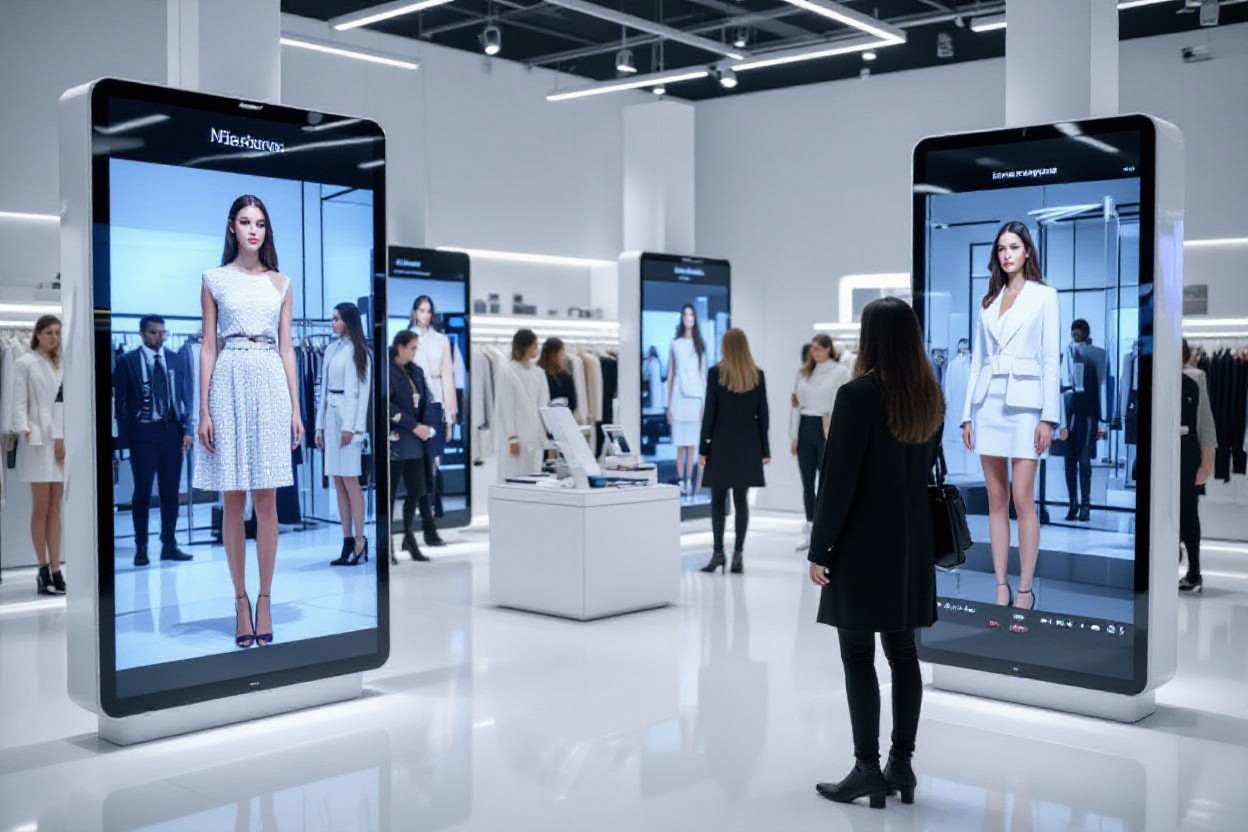
You’ll see Aurelia’s reach span Instagram, TikTok, and Fanvue, where AR try-ons and shoppable posts let followers purchase looks instantly. By cross-posting high-resolution renders and short-form video, she maintains 24/7 content output and can refresh campaign imagery in hours rather than weeks. Brands use her for virtual runway collaborations-she can showcase four seasonal personas in a single day-boosting campaign agility and consistent visual identity across channels.
Fan Participation
You can vote on outfit polls, steer narrative arcs during live sessions, and unlock behind-the-scenes digital couture through tiered Fanvue subscriptions. Interactive lookbooks let you mix colors and see instant renders, turning passive scrolling into co-creation. These mechanics increase retention and turn followers into micro-collectors who expect personalized content and occasional limited drops.
Digging deeper, you interact via weekly polls, monthly design drops, and paid requests that commission bespoke virtual garments; creators then use engagement analytics to decide which styles become real-world collaborations or limited NFT releases. Fanvue’s messaging tools let you submit mood boards and receive custom avatars or styling tips, so your input directly feeds creative roadmaps and measurable merchandise decisions.
Technological Innovations
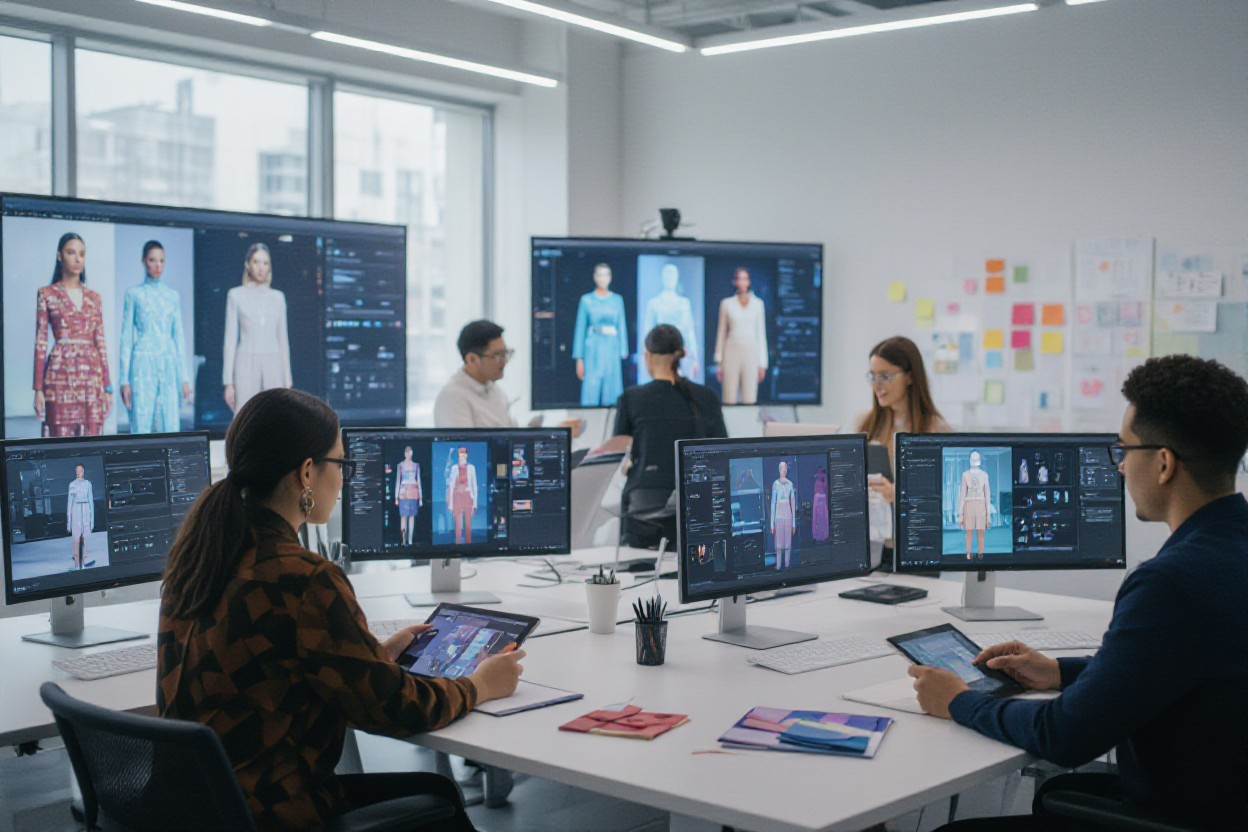
New tools let you produce photo‑real content at scale: GANs and diffusion models handle textures and fabrics, neural rendering and Unreal Engine power virtual studios, and NVIDIA Omniverse coordinates collaborative pipelines. You can spin up dozens of high‑res looks in hours instead of weeks, enabling daily drops and far more A/B testing; Aurelia‑style channels leverage real‑time retouching, consistent lighting and motion capture to preserve brand identity across platforms.
Advances in AI and CGI
Generative adversarial networks (StyleGAN) and diffusion models (Stable Diffusion, DALL·E variants) now synthesize photoreal textiles and faces, while photogrammetry and neural skin shading deliver accurate fabric drape. You can combine real‑time ray tracing (RTX) with Unreal Engine motion capture to render lifelike movement at 60 fps for AR try‑ons, letting brands replace costly studio shoots with virtual sets that maintain visual continuity across channels.
Future Trends in Fashion Technology
Digital twins, hyper‑personalization and interoperable wardrobes will reshape product lifecycles: you’ll curate one virtual closet usable in games, AR and commerce, and brands will shift to on‑demand custom pieces instead of mass inventory. Tokenized drops (NFTs) and narrative‑driven limited releases, exemplified by RTFKT/Nike collaborations, will continue driving scarcity and community value around digital couture.
Under the hood you’ll see pipelines standardized on USD/glTF, Omniverse collaboration and WebXR delivery so assets move from design to AR with minimal rework. Expect subscription access, microdrops and provenance via blockchain, plus AI fit engines using 3D body scans to cut sampling cycles; operationally, you’ll need IP governance, bias mitigation and cross‑platform interoperability as adoption scales.
Challenges and Criticisms
As AI icons move from novelty to mainstream since 2016, you face mounting critiques: legal ambiguity over likeness and copyright, fan skepticism when virtual personas replace human storytellers, and reputational risk if a brand over-relies on synthetic talent; marketers A/B test 30-50 creative variants precisely because authenticity signals are fragile and missteps can erode trust fast.
Ethical Considerations
You must navigate consent, disclosure, and data use-disclosing AI-generated content on platforms like Fanvue matters because fans pay for intimacy; regulators such as the FTC require transparent endorsements, and ambiguous ownership of generated designs or model likenesses can trigger copyright and labor debates when studios substitute virtual icons for paid crews.
Authenticity vs. Artificiality
Sometimes your audiences accept digital perfection as aspirational, but many demand believable flaws: transparency about Aurelia Luxford’s synthetic nature, interactive Q&As, or behind-the-scenes AR filters can preserve trust while sustaining the fantasy.
To dig deeper, you can quantify authenticity by tracking engagement, retention, sentiment and subscriber churn across channels-compare Aurelia’s Fanvue retention to Instagram engagement after disclosure changes, run controlled experiments mixing human and AI talent, and iterate on micro-expression, narrative continuity, and fan co-creation to balance allure with credibility.
Final Words
With these considerations, you should recognize that AI fashion icons are transforming the industry by amplifying creativity, streamlining content production, and enabling hyper-personalized engagement; they let you test bold concepts quickly, scale visual storytelling without limits, and deepen connections with your audience through consistent, interactive personas that redefine brand expression.
FAQ
Q: How do AI fashion icons differ from traditional human models?
A: AI fashion icons differ in that they can be endlessly customized, perform without fatigue, and appear across platforms simultaneously. They offer exacting control over appearance, pose, lighting, and wardrobe, enabling brands to iterate quickly on concepts. Unlike human models, they can embody multiple personas and surreal aesthetics that would be impractical or unsafe in real shoots, while delivering consistent visual quality for campaigns and social feeds.
Q: What business advantages do brands gain by using AI fashion icons?
A: Brands gain scalability, speed, and cost-efficiency. AI icons reduce lead times for shoots, allow on-demand content generation, and support rapid A/B testing of styles and messaging. They enable 24/7 content pipelines, global localization, and bespoke experiences for niche audiences. Platforms and creators-such as Aurelia Luxford on Fanvue-leverage exclusive digital couture and interactive scenarios to monetize fandom and offer premium, repeatable content without repeated physical production costs.
Q: Can AI fashion icons build genuine audience engagement and loyalty?
A: Yes. Engagement stems from narrative, interactivity, and visual novelty. AI icons can drive serialized storytelling, personalized messages, and real-time responses that feel bespoke to followers. By combining high-quality imagery with interactive features-examples include Aurelia Luxford’s Fanvue content-creators can offer members-only shoots, choose-your-adventure styling, and collectible digital assets that strengthen loyalty and create new revenue streams.
Q: What ethical and practical challenges do AI fashion icons introduce?
A: Challenges include transparency about synthetic content, potential for misuse in deepfakes, displacement concerns for human models and creatives, and bias in generated representations. Copyright and licensing for generated designs and training data require clear policy. Mitigation strategies include explicit disclosure of AI use, diverse design teams to reduce bias, ethical guidelines for image generation, and industry agreements to protect human labor and intellectual property.
Q: How will AI fashion icons influence future fashion trends and industry structures?
A: AI icons will accelerate personalization, enable hybrid human-AI collaborations, and expand the market for digital fashion and virtual try-ons. Expect new revenue models-subscriptions, limited-run digital couture, and NFTs-and tighter integration between social commerce and immersive experiences. AI personalities will serve as both brand ambassadors and co-creators, shaping trends through rapid experimentation while platforms like Fanvue provide direct-to-fan channels for monetized, exclusive digital fashion content.