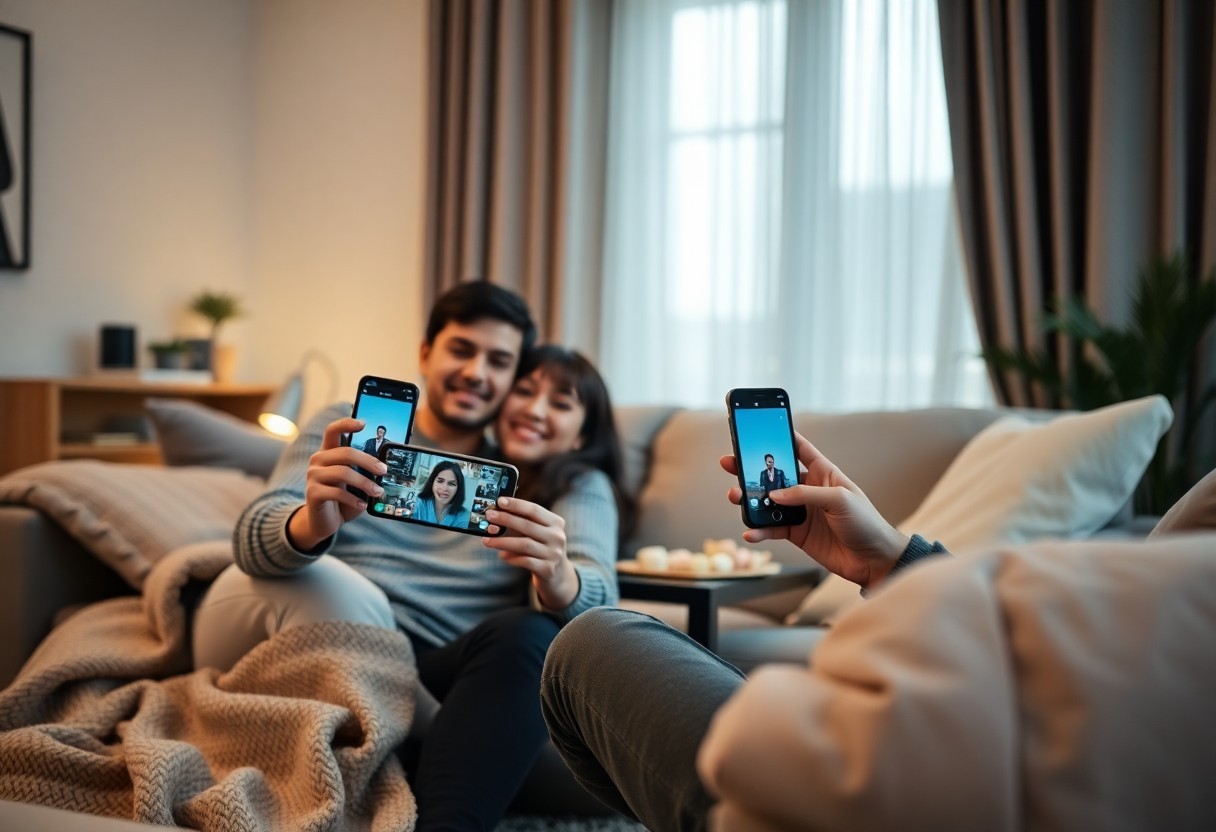
Psychology suggests that the way you experience intimacy is evolving, especially with platforms like Fanvue shaping modern interactions. As you navigate simulated connections, it’s vital to consider how these experiences impact your understanding of romance and personal relationships. This blog post will explore the potential psychological ramifications of virtual intimacy and how it might redefine your perceptions of love, connection, and emotional fulfillment in the digital age.
Key Takeaways:
- Simulated intimacy may lead to altered perceptions of real-life romantic relationships.
- Increased reliance on virtual connections could decrease face-to-face social skills.
- Dynamic portrayals of relationships in simulations may set unrealistic expectations.
- Potential emotional detachment from real partners as virtual interactions rise.
- Exploration of identity and sexuality may diversify but also complicate personal relationships.
Understanding Simulated Intimacy
Your experience of intimacy is increasingly shaped by digital platforms that blur the lines between reality and simulation. As you engage with simulated relationships, these platforms utilize algorithms that cater to your desires, creating a personalized experience that mimics genuine connection. This can fulfill emotional needs but also risks creating unrealistic expectations about romance and intimacy.

The Role of Digital Platforms in Romance
Digital platforms serve as modern conduits for romance, enabling connections that transcend geographical boundaries. By facilitating easy access to potential partners and personalized interactions, they reshape how you perceive and engage in relationships. Platforms like Fanvue or others allow users to curate an idealized version of intimacy, often emphasizing curated personas over real-world experiences.
The Psychology Behind Simulated Relationships
Simulated relationships can significantly alter your emotional landscape and approach to romance. Engaging with virtual partners may trigger the release of oxytocin and dopamine, leading to feelings of fulfillment and attachment even without physical presence. This phenomenon can condition you to seek validation and connection through artificial means, potentially affecting your ability to form authentic relationships with real individuals.
Studies reveal that individuals interacting with simulated partners often develop emotional bonds similar to those experienced in traditional relationships. For instance, users may exhibit attachment behaviors, developing a preference for the digital connection over real-life interactions. This reliance can create a feedback loop, where the emotional gratification derived from simulated intimacy diminishes the motivation to seek out or maintain genuine relationships. Consequently, understanding these psychological effects is vital in navigating the complexities of modern romance.

Fanvue: Features and User Interactions
Overview of Fanvue’s Unique Offerings
Fanvue stands out with its extensive suite of features designed to enhance user interaction and content consumption. Among these offerings, customizable subscription tiers allow creators to tailor their pricing and content access based on audience preferences. Interactive elements, such as live streams and Q&A sessions, foster a deeper connection between creators and followers, while behind-the-scenes content provides an exclusive glimpse into creators’ lives. This blend not only encourages engagement but also cultivates a sense of community.
User Demographics and Community Engagement
Your understanding of Fanvue’s user demographics reveals a diverse community, primarily consisting of younger adults aged 18-34. This age group actively seeks platforms that provide personalized experiences, making Fanvue attractive for both content consumers and creators. Furthermore, engagement metrics illustrate that users frequently participate in discussions, share feedback, and support creators, which solidifies the platform’s communal aspect.
Within the community, varying interests intersect, showcasing a blend of fans from different backgrounds, including those passionate about arts, lifestyle, and even niche hobbies. The platform’s interactive polls and feedback functions help tailor content to user preferences, ensuring an ongoing dialogue. Regular promotional events and creator challenges further enhance user engagement, with statistics indicating an average 30% increase in interaction rates during such initiatives.
Emotional Effects of Simulated Intimacy
Engaging with simulated intimacy can profoundly influence your emotional landscape, impacting your perceptions of real-life relationships. The allure of virtual connections often fills emotional voids, fostering a sense of companionship and belonging. This phenomenon can lead to both positive and negative experiences, shaping your psychological state in complex ways.

Positive Impacts on User Well-being
For many, simulated intimacy can enhance feelings of self-worth and reduce loneliness. By creating meaningful interactions in a controlled environment, you may experience increased emotional resilience. Users often report that these simulations provide a safe space for exploring vulnerability without the fear of real-life rejection, thereby promoting mental well-being.
Potential Risks and Emotional Dissonance
On the other hand, simulated intimacy carries risks that can lead to emotional dissonance. While virtual connections may seem fulfilling, they can create an illusion of intimacy that is starkly different from real-life interactions. This dissonance might result in feelings of inadequacy or disappointment in your actual relationships.
As you immerse yourself in virtual intimacy, the gap between simulated affection and genuine emotional connection can widen. For instance, studies suggest that users might start prioritizing these digital interactions over face-to-face relationships, leading to isolation. This dependency on virtual platforms for emotional satisfaction could generate anxiety when real connections don’t match the intensity or immediacy of those experiences. In navigating this emotional terrain, you must balance the allure of simulated affection with the potential downsides of neglecting authentic human connections.

Comparative Analysis: Simulated vs. Traditional Intimacy
| Simulated Intimacy | Traditional Intimacy |
|---|---|
| Convenience and accessibility | Requires time and commitment |
| Potential for instant gratification | Gradual emotional connection |
| Less vulnerability | Emotional risk involved |
| Curated experiences | Authentic encounters |
Similarities in Emotional Fulfillment
Both simulated and traditional intimacy can provide emotional fulfillment, as you find comfort or excitement through connection. Each form allows individuals to engage with feelings of affection, reducing loneliness and enhancing overall well-being. You may still experience joy, validation, and excitement from interactions, regardless of the medium, indicating that emotional needs can be met through various channels.
Differences in Relationship Dynamics
The dynamics of relationships in simulated intimacy differ significantly from traditional forms. You may find that simulated interactions lack the depth and complexity of real-life relationships. While simulation can mimic emotional support, it does not foster growth through shared challenges or life experiences. This absence could lead to superficiality, where emotional bonds lack the nurturing that comes with high-stakes situations and the trials of real-world connections.
Engaging with simulated intimacy often introduces elements like scripted responses and curated interactions, which can reinforce a sense of control. Unlike traditional relationships, where you grow through conflict and cooperation, simulated environments may offer predicable patterns, potentially limiting emotional evolution. This creates a scenario where you might find satisfaction but miss out on deeper connections forged through shared experiences and vulnerabilities, highlighting a crucial distinction in how relationships can form and develop.
Societal Perceptions of Simulated Romance
As you explore simulated intimacy through platforms like Fanvue, it’s vital to consider how society perceives this shift in the romantic landscape. While some view digital relationships as superficial, others embrace them as an extension of human connection. The growing acceptance of virtual interactions reflects a broader trend towards integrating technology into personal experiences. This evolution prompts deeper discussions about what constitutes genuine intimacy and whether these experiences can fulfill emotional needs.
Cultural Acceptance and Stigma
Cultural acceptance of simulated romance varies significantly across different societies. In some regions, engaging in virtual relationships is becoming commonplace and even celebrated, while in others, it remains stigmatized. You might find that demographic factors, such as age and location, heavily influence these perceptions. Younger generations, for instance, are more likely to embrace online interactions, making it easier to navigate potential societal backlash.
Evolving Definitions of Intimacy
The definition of intimacy is rapidly evolving in today’s digital age. You may notice that traditional markers of closeness, such as physical presence, are being redefined through shared experiences in virtual spaces. As online platforms facilitate emotional connections, they challenge the notion that intimacy is solely grounded in face-to-face interactions. Research shows that many people now report feeling equally fulfilled by their digital relationships, suggesting that your emotional needs can be met in new, innovative ways.
This shift can be seen in studies, revealing that over 60% of individuals who engage in online intimacy report feeling satisfied with their relationships, regardless of physical distance. As you witness this transformation, consider how emotional vulnerability and shared experiences in a digital environment can foster new kinds of closeness. The rising popularity of virtual dating and emotional support apps indicates a trend where traditional boundaries are blurred, allowing intimacy to thrive beyond geographical constraints. This evolving landscape challenges you to rethink what intimacy means in a world where connections can be as profound online as they are offline.

Future Implications for Romance and Relationships
The rapid integration of simulated intimacy into daily life is poised to redefine romance and relationships profoundly. As technology advances, you may find emotional connections increasingly formed through screens, impacting how love is expressed and experienced. This shift could challenge traditional norms, leading to new forms of relationship dynamics that meld physical presence with virtual interaction seamlessly.
Long-term Effects on Personal Connections
Over time, you might see significant shifts in personal connections, as reliance on digital interactions alters your expectations and emotional responses. The convenience of simulated intimacy may lead to decreased tolerance for the complexities of real-world relationships, potentially creating a cycle where genuine vulnerability becomes rarer.
Predictions for Digital Intimacy Evolution
The evolution of digital intimacy is likely to accelerate, with immersive technologies such as virtual reality and artificial intelligence redefining connection. You could experience relationships that integrate sensory inputs through VR, creating lifelike interactions that transcend current limitations. Additionally, AI-driven companions may enhance emotional engagement, pushing boundaries further.
In the near future, digital intimacy may evolve to include increasingly sophisticated interactions where AI not only mimics human emotion but also learns and adapts to your preferences. This could lead to hyper-personalized experiences that cater to specific emotional needs, making it less about simulated affection and more about authentic emotional support. As AI companions become more prevalent, you might find them integrated into your daily life, blurring the lines between friendship, romance, and technology in unprecedented ways. Such changes could challenge societal norms and redefine what it means to connect with others.
Conclusion
With this in mind, you should consider how simulated intimacy on platforms like Fanvue may reshape your perceptions of romance. As digital interactions become increasingly integrated into your relational experiences, understanding the psychological impact of these virtual connections becomes imperative. You may find your expectations and emotional responses evolving, potentially leading to a redefined sense of intimacy that blends the digital with the real. Engaging thoughtfully with these changes will help you navigate your romantic life more effectively in this new digital landscape.
FAQ
Q: How does simulated intimacy on platforms like Fanvue influence our understanding of real-life relationships?
A: Simulated intimacy can blur the lines between virtual and real-life connections, leading individuals to develop altered expectations of affection and emotional engagement in their relationships.
Q: Can experiencing simulated intimacy affect emotional well-being?
A: Yes, engaging with simulated intimacy may lead to feelings of loneliness or dissatisfaction in actual relationships, as individuals might compare their real experiences to curated online interactions.
Q: Are there psychological benefits associated with simulated intimacy?
A: Some individuals may find comfort and validation in simulated intimacy, which can serve as a coping mechanism for loneliness, potentially enhancing their mood and self-esteem temporarily.
Q: Does the interaction in simulated intimacy foster unrealistic expectations in romantic relationships?
A: Indeed, the idealized portrayals often found in simulated intimacy can lead to unrealistic standards and expectations for romance, impacting how individuals perceive their partners and relationships.
Q: How might simulated intimacy reshape our communication styles in romantic relationships?
A: Exposure to simulated intimacy may result in individuals adopting more superficial or performative communication styles, potentially diminishing the depth and authenticity of their real-life romantic interactions.